
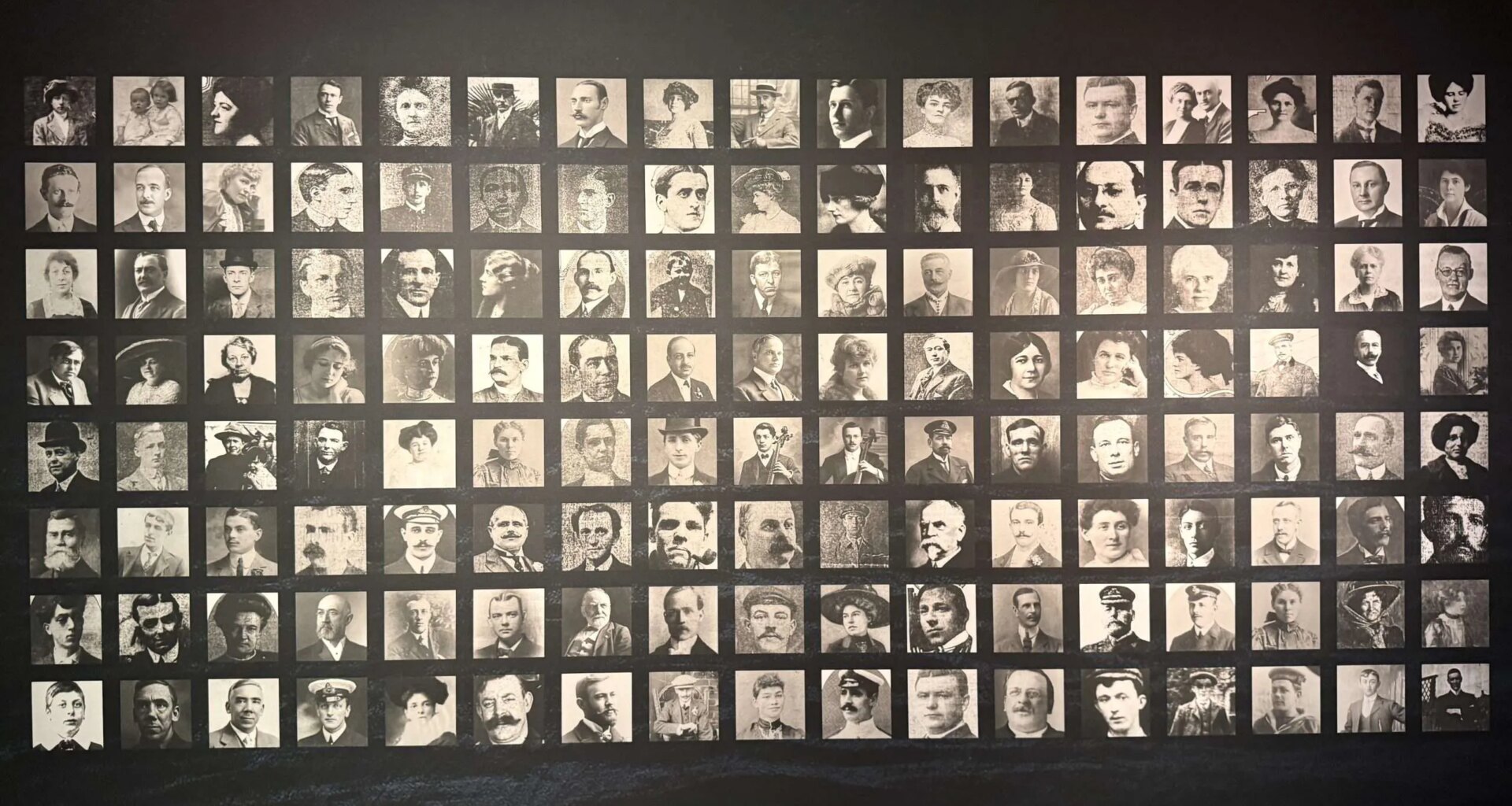
It’s one thing to know the story of the Titanic, but it’s another to stand just inches away from the belongings of those who once lived it.
Austin just became one of the latest locations for one of the world’s most emotional and meticulously crafted historical exhibitions. Titanic: The Human Story has officially opened at 11000 Middle Fiskville Rd, and after attending the media preview, I can confirm that this is not your typical museum walkthrough, but rather an experience that hits you right in the heart.
The exhibition was designed by Musealia in collaboration with a renowned Titanic historian, Claes-Göran Wetterholm. The storytelling is the real star of the show.
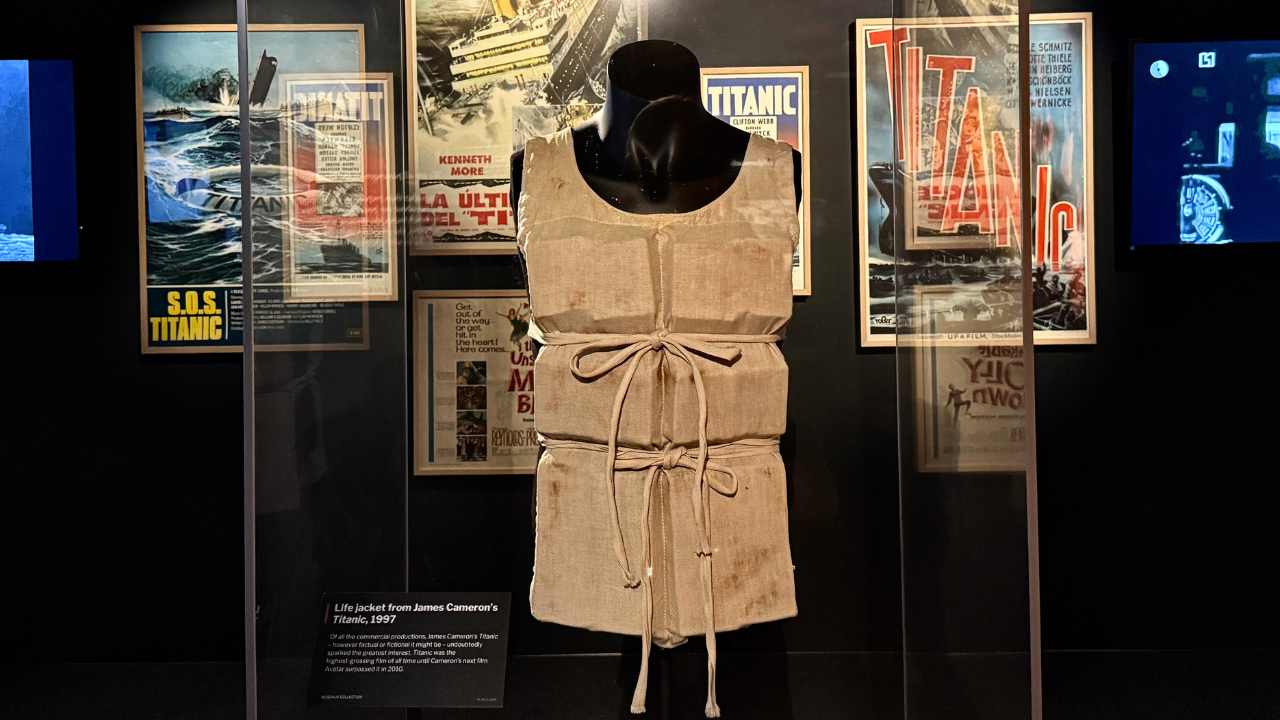 Credit: Lily WoodallA Story Told Through Sound and Memory
The audio guide sets the tone of the experience. As I moved through the rooms, layered sounds, firsthand accounts and interviews created an immersive experience that, instead of overwhelming you with facts, gently leads you through the ship’s timeline as it weaves together the voices of passengers with music and other atmospheric sound.
This made me feel as though I was stepping into a memory rather than a museum. There was no rush or pressure to move through quickly.
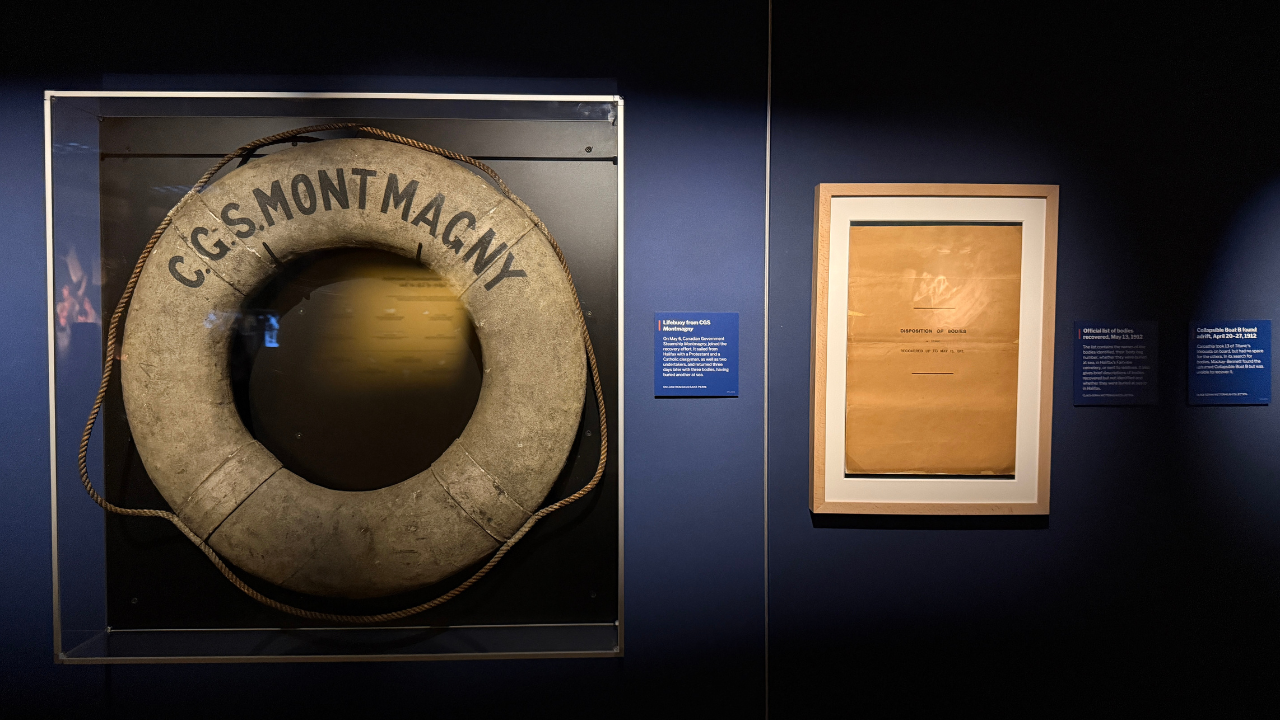 Credit: Lily WoodallWalking Through the Titanic’s World
One of the most powerful elements of the exhibition is the series of recreated spaces that place you directly inside the Titanic’s world. Seeing these spaces made the ship’s structure feel much more real than any textbook ever could, and it also made me understand why the Titanic was considered the pinnacle of ocean travel.
The Second Class cabin, recreated as it would have been for the Hart family, surprised me with how comfortable it felt. The plaque explained that second-class cabins often had private bathrooms and were comparable in comfort to many first-class rooms on other ships of the era. I could imagine how exciting it must have been for families traveling to America with hope and possibility ahead of them.
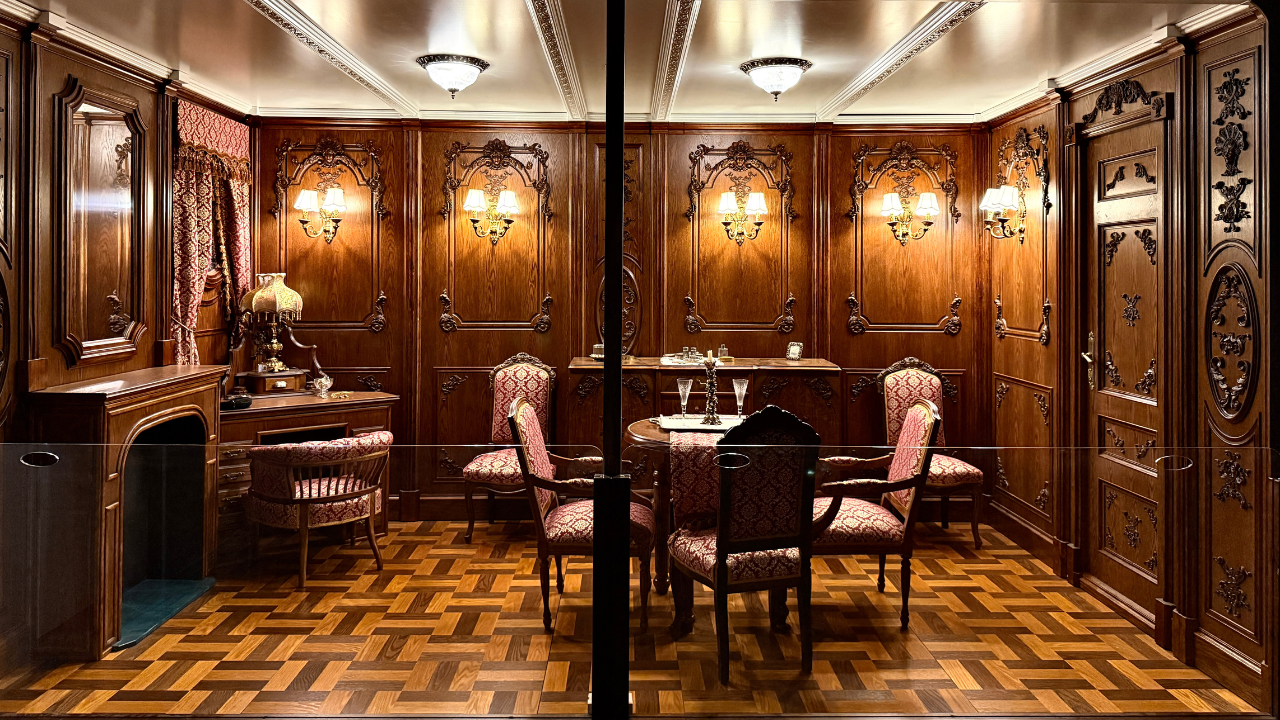
The exhibition also featured a recreation of the First Class Parlour Suite sitting room, modeled after the accommodations of J.J. and Madeleine Astor. This space was particularly elegant and ornate with details and a sense of luxury that set it apart from the other recreations. The plaque noted that Parlour Suites were the most extravagant rooms on the ship as they were twice the size of the recreation and connected to multiple adjoining rooms. A door would have led directly to the First Class corridor and even the Grand Staircase, which added both convenience and status.
 Credit: Lily WoodallA Memorable Moment
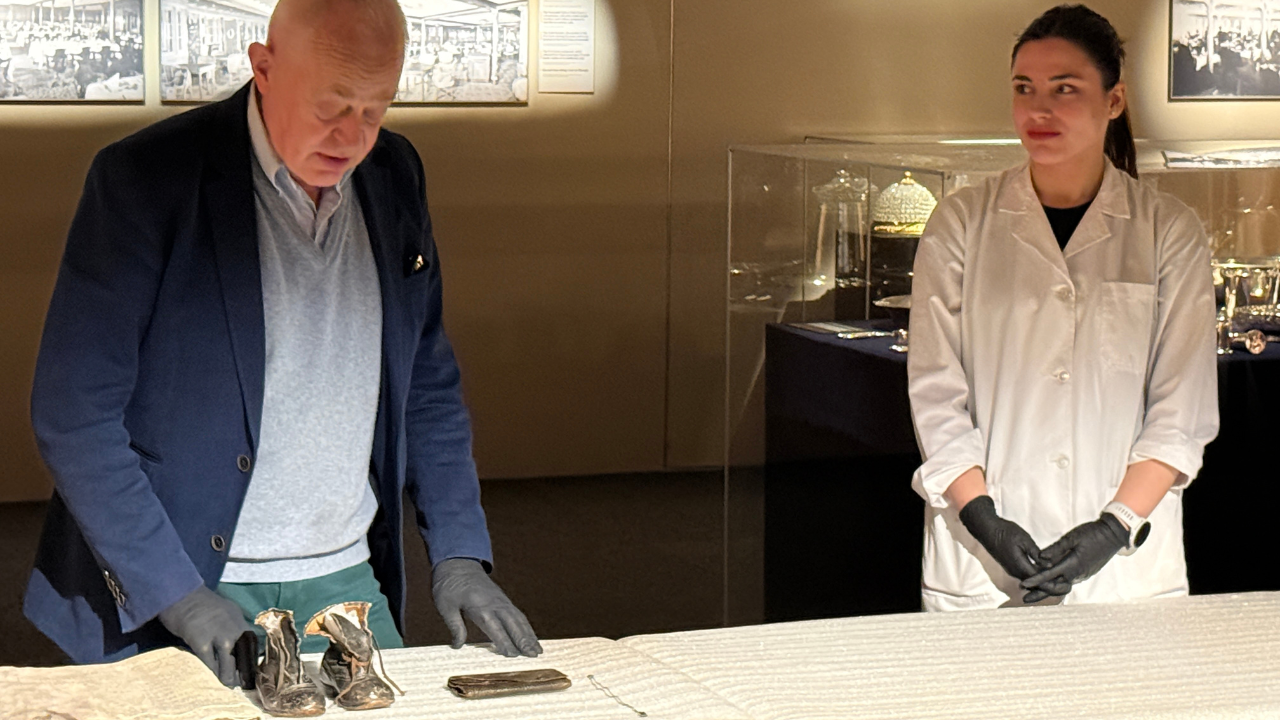
One of the most memorable moments of the preview came when historian Claes-Göran Wetterholm gathered us around for a closer look at several artifacts. A team member carefully revealed a pair of tiny leather boots and a thin blanket belonging to Louise Kink, one of the Titanic’s last remaining survivors.
Seeing them just a few feet away was unexpectedly emotional. Louise was only four years old when she and her parents managed to board Lifeboat 2. Against the odds, all three survived.
As Wetterholm spoke, the reality of the objects in front of me became clearer. The boots were small, worn and still held the shape of the child’s foot. The blanket carried an emotional weight as hearing that it likely kept Louise warm as the lifeboat drifted through the freezing darkness made the moment feel even more grounded in the reality of what she endured.
 Credit: Lily WoodallThe Words They Left Behind
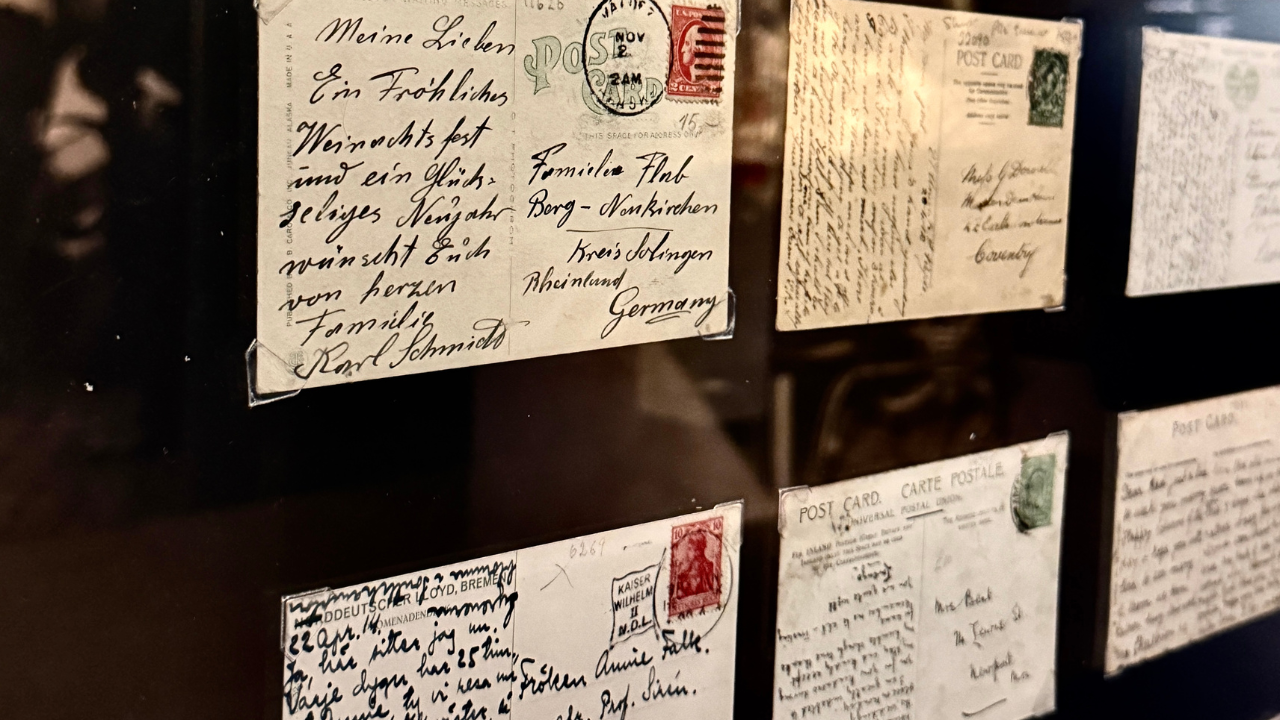
Beyond the recreated rooms and personal belongings, some of the most moving pieces in the exhibition were handwritten letters and postcards. There’s something uniquely special about seeing someone’s handwriting from over a century ago because of the small details that make a person feel real.
One letter in particular stood out to me. There was a letter written by Erik Lind to his wife Elsa from Southampton on April 10, 1912–the very day the Titanic set sail. Lind was traveling under the name “Lingrey” and was clearly anxious about remaining undetected. In the letter, he wrote lovingly to Elsa while also expressing a concern that the envelope might reveal which ship he was boarding. It’s not entirely clear why he chose to travel under an anonymous name, but many passengers at the time did so for practical reasons, like to avoid debt collectors or simply keep their travel plans private.
 Credit: Lily WoodallThe Impact and Final Thoughts
What really surprised me about the exhibition was how reflective it felt. There were no dramatic reenactments or sensationalism, but rather it focused on real storytelling and thoughtful curation. Every room seemed to help visitors understand the stories of the people behind it.
The exhibition doesn’t try to overwhelm you with the scale of the tragedy. It narrows the experience down to the small details that make it feel more human in a way that stays with you after you leave. I walked in expecting to learn something, but I walked out feeling something.
Whether you’re a history buff, a Titanic enthusiast, or simply someone who enjoys immersive experiences, this exhibition leaves a lasting impression. Step into the story and get your tickets here.