
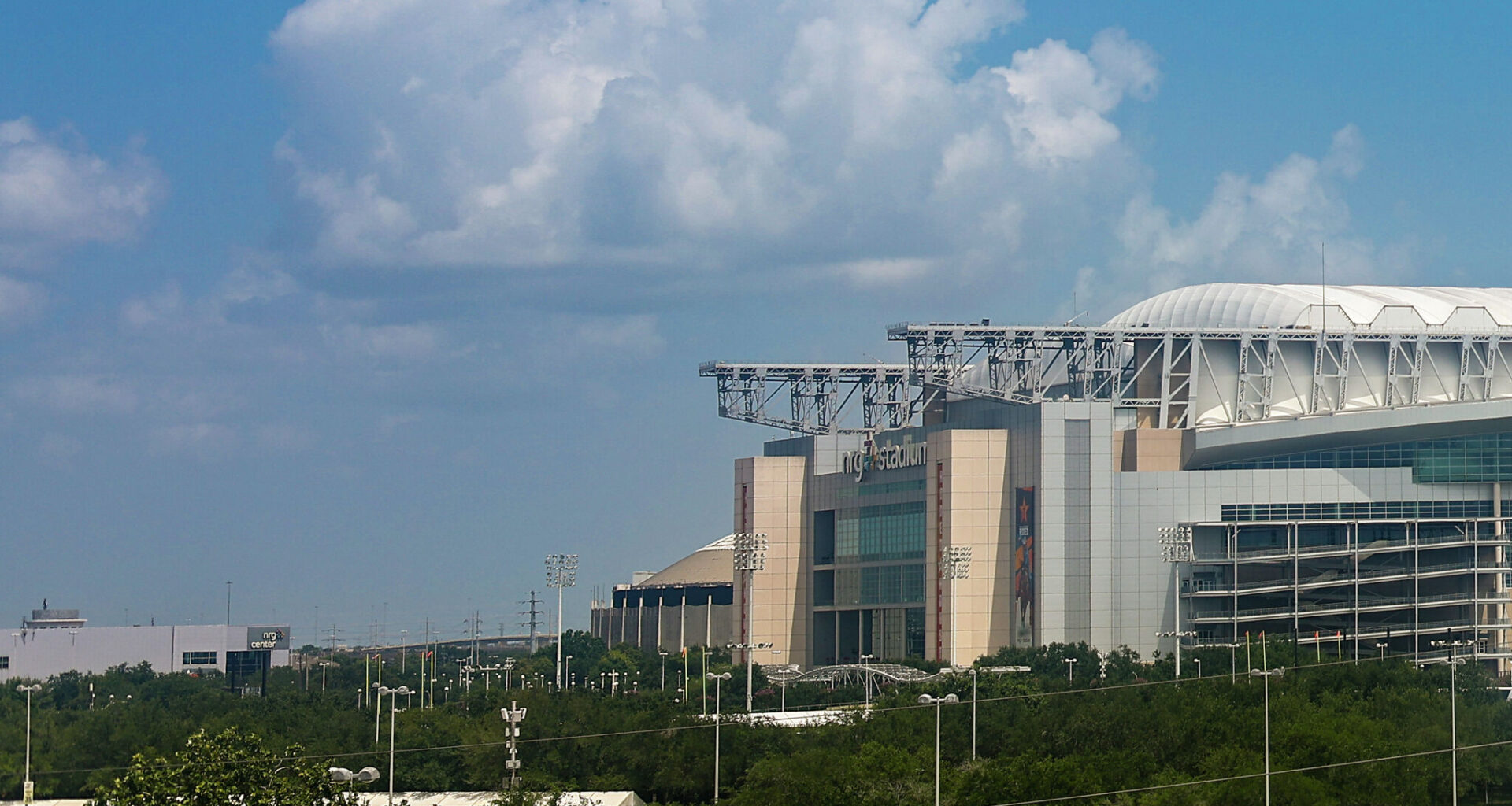
World Sports Network, a sports betting website, conducted a study in which it provided an “Eco Score” for each city on a scale of 1-10, based on public transportation near the stadium, the amount of waste that isn’t recycled, the availability of EV charging points, greenhouse gas emissions, and commitment to sustainability (number of trees planted, volume of meat consumed, and number of LEED-certified buildings).
Vancouver was the top city with an eco score of 6.7 out of 10, followed by Boston at 6.5 and Mexico City at 6.2. The bottom three cities, with ratings of 4.3, were Houston, New York and Los Angeles, though Dallas ranked 12th with a 4.4 score.
Vancouver’s top placing is no surprise: the city produces 95 percent of its electricity through renewable energy and has one of the lowest greenhouse gas emissions per capita of any major city in North America.
The lack of public transportation was a key factor in Houston’s low score, though Dallas and Miami were the worst. Both host cities’ stadiums are more than a 20-minute drive from the city center and lack public transportation, so people will have to rely on cabs or personal cars to get to games. Houston does have the METRORail Red Line, though many will still rely on ride-share apps and personal cars.
But the biggest factor behind Houston’s low score is not something that can be fixed overnight: its reliance on carbon-intensive resources like coal and natural gas to power the electric grid, and high emissions from industrial sources such as oil and gas refineries and other chemical plants. In February 2025, Climate Trace listed Houston’s urban area as having the fifth-highest total greenhouse gas emissions. Texas, as a state, also produces the 13th-highest amount of solid waste per person per year, according to the waste management nonprofit Sensoneo.
For FIFA’s leaders on the ground in Houston, this is something they’re very aware of. In a response to Chron for comment on sustainability concerns regarding the upcoming event, the FIFA World Cup 2026 Houston host committee highlighted the city’s comprehensive Environmental Sustainability Plan that aligns with FIFA’s sustainability standards and is guided by an Environmental Management System (EMS) grounded in globally recognized best practices.
“The Host Committee’s sustainability actions are meant to counteract any harm that comes to the environment as a result of serving host to a major sporting event,” said a committee spokesperson on Tuesday. “Moreover, the efforts are rooted in legacy – in making changes that will have a positive impact on the environment for years to come and set us on a positive path, sustainability-wise to Houston’s bicentennial in 2036.”
Houston’s environmental plans include using 100% renewable energy at key sites, measures to mitigate impacts on flora and fauna, low-carbon transportation services, and waste management. In comparison, Mexico City, once one of the most polluted cities in the world, has implemented reforestation programs that helped offset its pollution score.
The BBC predicted that this year’s World Cup will be the most polluting ever because of FIFA’s decision to host it across the entire continent, prompting fans to travel thousands of miles by air to attend.