
“We are continuing conversations with the Governor’s office in a good faith effort to reach a resolution,” Assistant City Manager for Public Safety Ramon Batista said in a written statement.
“The public safety grant dollars are vitally important to our community,” Batista said.
The at-risk grants include those funding the prevention of terrorist attacks, the processing of sexual assault kits and programs that keep youth out of the juvenile justice system, he said.
Abbott threatened to pull the funding Thursday as part of a coordinated crackdown on the three major Texas cities — Austin, Houston and Dallas — that recently enacted policies designed to curb local police interaction with federal immigration agents.
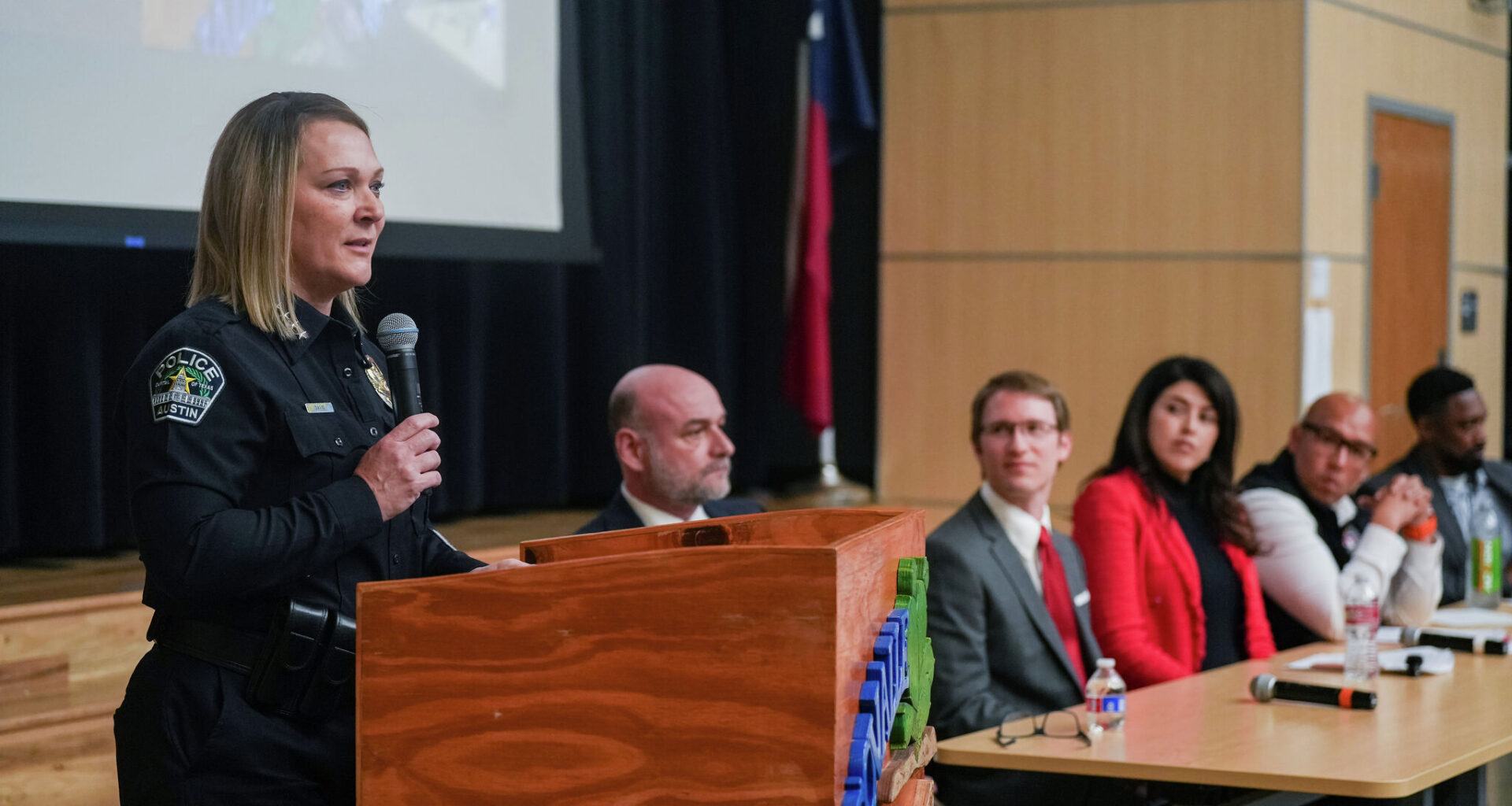
Austin’s policy, implemented in March, prohibits police officers from arresting or detaining someone solely on the basis of a noncriminal warrant issued by U.S. Immigrations and Customs Enforcement. Police Chief Lisa Davis enacted the rule amid intense public backlash over a 911 call that ended in the deportation of an Austin woman and her daughter.
In a Thursday letter to Austin Mayor Kirk Watson, one of Abbott’s top public safety deputies gave officials until April 23 to outline how the city would change the policy or lose access to the grant funding. The letter alleged the policy changes violate state grant agreements because they “impede or restrict” the ability of Austin officers to notify ICE when they have a person in custody who may have violated immigration laws..
It is unclear what aspects of the policy the city was seeking to negotiate with Abbott.
Houston and Dallas are facing similar threats from Abbott and Attorney General Ken Paxton. Each of those cities could lose $110 million and $32 million in state grant funding, respectively, over policies that similarly try to limit how local officers work with ICE agents.
Houston Mayor John Whitmire on Tuesday unveiled amendments to that city’s policy that he said he hopes will satisfy the state’s interpretation of what the grant agreements require.