
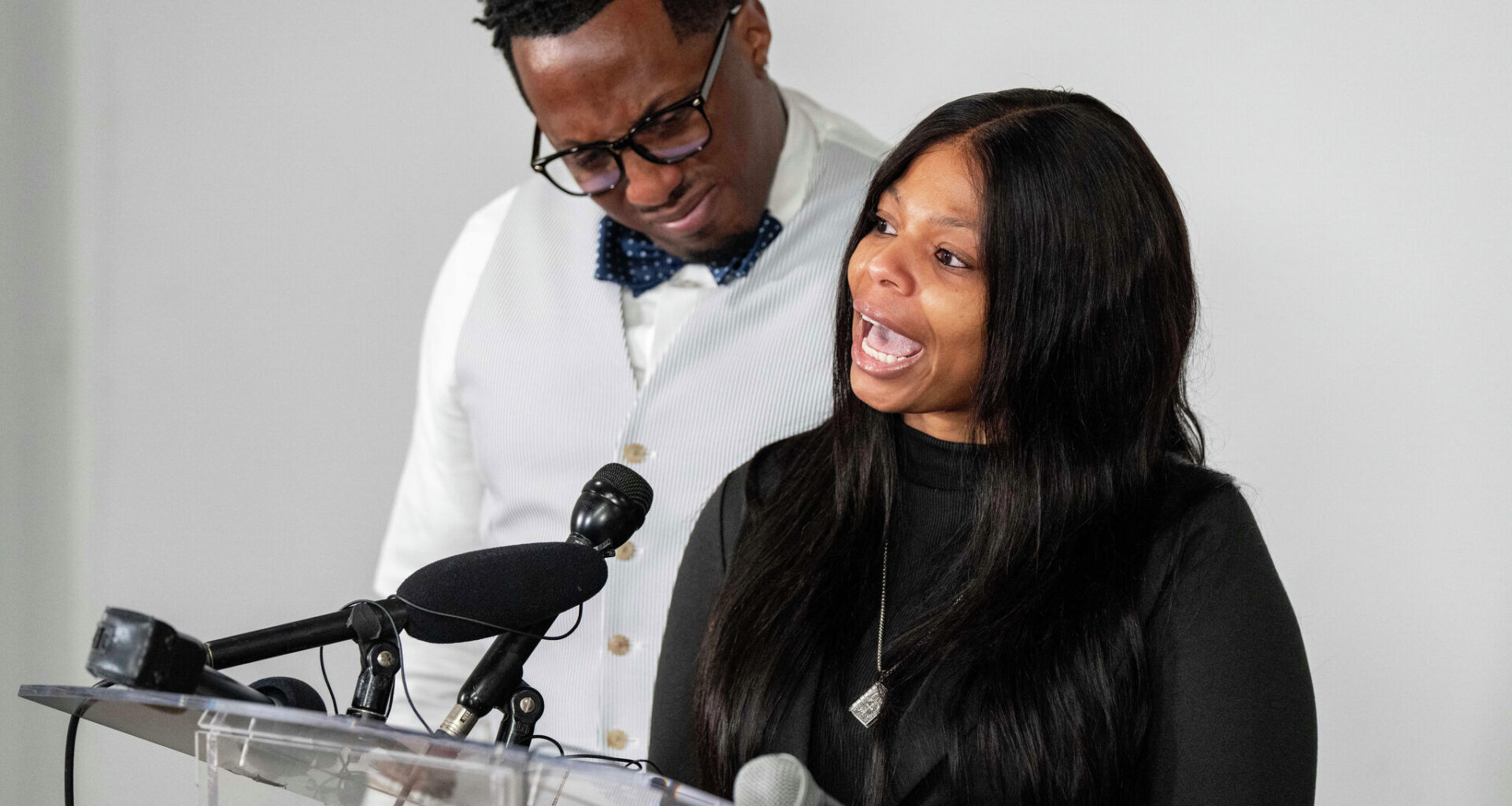
The murder trial of Karmelo Anthony, set to begin June 1 in Collin County, will draw national attention in a case that has already stirred deep emotion and pain not only in North Texas but across the country.
Anthony, a former Centennial High School student, is charged with the fatal stabbing in April 2025 of Memorial High School student Austin Metcalf at a track meet featuring the two Frisco high schools.
This terrible tragedy created great division that continues, complete with hateful online commentary, much of it focused on race and class and on questions of bullying. As with every charged public question these days, much of what is said on social media has been ill-informed and speculative.
With the swirl of public anger around the case, Judge John Roach of the 296th District Court has made the difficult decision not to allow cameras in the courtroom. Judge Roach is a highly regarded jurist who is within his rights to make judgments about his own courtroom. And I acknowledge that this case comes loaded with social and security issues that many cases don’t.
But I wonder if this decision truly serves the public interest. When it is possible to allow cameras in a courtroom, it is always better to do so. The public benefits enormously from being able to witness the actual judicial process, its structure, its protections and the skill of those who make it work. And based on my experience as a former journalist covering high-profile criminal cases and as a consultant working on significant legal issues, I have observed that many people do not have an accurate picture of how the legal system functions. It isn’t because they haven’t paid attention, but because almost everything they know about courtrooms comes from television, movies, and the theater.
Most people never set foot inside a courtroom except, perhaps, for jury duty. And dramatized versions of trials we see on television are almost entirely fictional.
On Law & Order, a single witness covers grounds that in a real trial would require three or four separate expert witnesses, each qualified before they can testify. On television, DNA evidence is processed and analyzed within the confines of an hour-long broadcast. In one Collin County case I worked on, we had to explain to the media why the case wasn’t prosecuted in a timely manner because DNA evidence was not evaluated by an overwhelmed state crime lab for more than three years.
Those of us of a certain age grew up loving Perry Mason. We waited for the scene where a witness, under the relentless pressure of cross-examination, broke down and confessed to the crime. It seemed to happen almost every week but not in real life. In the Broadway play and film 12 Angry Men, a juror goes out to lunch and returns with physical evidence never presented at trial. It is a riveting drama scene when the juror slams the knife into the table in the jury room. In real life, had the defendant been convicted, it would have been grounds for sanctions and a mistrial.
Sometimes, potential witnesses are shown the famous scene with Jack Nicholson from A Few Good Men or a clip from Matlock in which the attorney screams at a judge before he is dragged out of the courtroom. They become more comfortable when told that doesn’t happen in a real courtroom.
Some of the most impressive advocacy I have ever witnessed in a courtroom wasn’t a passionate closing speech. It was an attorney standing before a jury, methodically and carefully comparing the facts to the specific legal standards the judge had instructed the jury to apply. No drama. No theatrics.
When cameras are present, something valuable happens beyond the immediate news coverage. People learn. They see a judge manage a proceeding with care. They watch attorneys lay evidentiary foundations, make objections and respond to rulings. They observe what a real cross-examination looks like.
We have already seen, in North Texas, how powerful that window can be when it is opened. In the 2018 murder trial of Balch Springs police officer Roy Oliver for the killing of Jordan Edwards and the 2019 trial of former Dallas officer Amber Guyger for the killing of Botham Jean, extensive live and near-live coverage allowed the public to follow proceedings as they unfolded. Viewers could see the pace of testimony, the discipline of the attorneys and the care with which judges managed highly charged cases. Those trials drew national attention, but more importantly, they gave people an unfiltered look at how the justice system works in moments of profound consequence.
Even in cases where a full trial does not unfold, public access still matters. The horrible murder of 7-year-old Athena Strand, which gripped North Texas, ended in a guilty plea rather than a lengthy jury trial. But even without a trial, the public has still been able to observe the careful, deliberate and thorough process that governs cases in which the death penalty is a potential outcome. That process — measured, methodical and grounded in procedural safeguards — offers its own important window into how seriously the justice system approaches its most consequential decisions.
I have no doubt that the professional journalists covering the Anthony trial will work hard and report with skill. But there are things a reporter’s notebook and a courtroom sketch artist cannot fully convey: the demeanor of a witness under pressure, the quality of silence after a question lands, the texture of a moment that tells you more than any summary can.
Our legal system is not perfect. No human institution is. But it has built into it, over centuries, a remarkable set of protections and procedures that exist for good reasons. The more people are permitted to witness those protections in action, not through the distorting lens of a drama series, but in real time, in a real courtroom, the more they come to understand why the rules matter, and appreciate the work of the judges, jurors, attorneys and witnesses who make the system function.
David Margulies is a former television journalist who worked for NBC News and WFAA-TV. He is currently president of The Margulies Communications Group.
Have thoughts about this? Send a letter to the editor using our letters form or email letters@dallasnews.com. Letters should be no more than 200 words and include the first and last name of the writer and city of residence.