
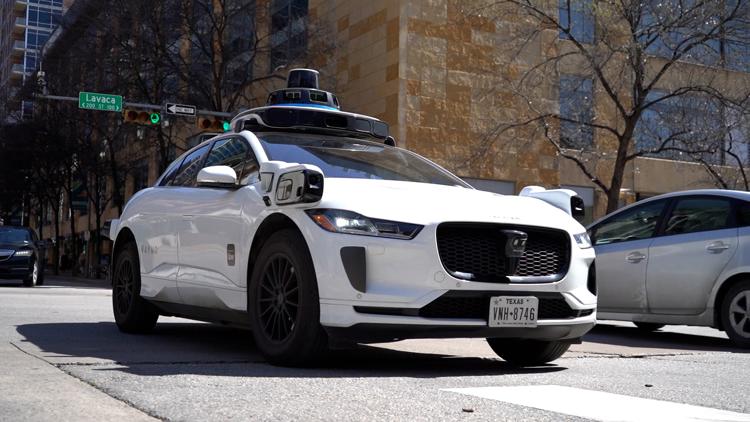
The Texas Department of Motor Vehicles (TxDMV) has opened registration for companies that commercially operate automated vehicles on Texas roads, marking a major step toward statewide oversight of driverless technology.
Under a new law that will take effect May 28, companies that operate automated vehicles for commercial purposes are required to obtain authorization through the Texas Motor Carrier Credentialing System. Privately owned vehicles used for personal driving do not need authorization.
Under the Texas DMV authorization process, a commercial automated vehicle must be:
Capable of operating in compliance with all applicable Texas traffic and motor vehicle laws.
Equipped with a required recording device.
Equipped with an automated driving system that complies with applicable federal law.
Capable of achieving a minimal risk condition if the automated driving system fails.
Be registered and titled in Texas.
Have the right insurance or self-insurance.
Applicants must also provide the Texas Department of Public Safety (DPS) with a plan showing how first responders should interact with the vehicle during emergency services.
The authorization does not expire, but it can be revoked, suspended, canceled or restricted if the state determines a vehicle is operating in a way that endangers the public. Beginning May 28, concerns about automated vehicles that could result in serious bodily injury can be submitted to the TxDMV Enforcement Division for review.
The policy will affect companies operating in Austin, including Waymo, Zoox and Tesla robotaxis.
Road safety advocates say the law is a step in the right direction, but not enough. Cathy Chase, president of Advocates for Highway and Auto Safety, said there are currently no federal regulations governing automated vehicles, which can create risks.
She pointed to recent incidents involving Waymo vehicles, including reports of cars passing school buses unloading children and blocking emergency vehicles responding to calls.
“It’s better than not having anything, especially if autonomous vehicles are going to continue to be rolled out, but we need the data and we need safety standards, and the safety standards need to happen on the federal level because these cars don’t just stay in one area necessarily,” Chase said.
Dan O’Dowd, founder of The Dawn Project, said Texas is taking the right approach by tightening regulation of automated vehicles.
“Texas is right to introduce more stringent regulatory requirements for AVs. Other states like California have rigorous testing and permit programs for robotaxis, which are vital for ensuring public safety,” O’Dowd said.
“Increased regulation of autonomous vehicles in Texas will come as a blow to Tesla, which does everything it can to avoid regulatory scrutiny of its Robotaxis and its self-driving software,” he said.
The Texas DMV said complaints about automated vehicles will be reviewed through its Enforcement Division, and the department can take action if a company fails to correct safety issues after notice. If a final decision is appealed, the case can go before the State Office of Administrative Hearings.