
A recent price tracker from CBS News reveals food costs have risen 19.6% since January 2022. For students across the Forty Acres, that manifests as skipped meals, tighter budgets and a growing reliance on assistance programs. After a series of federal policy changes and inflationary cycles, some Longhorns question their accessibility to food.
The U.S. Department of Agriculture assigns levels to food insecurity based on overall food intake and access. Food insecurity is defined as a household-level condition of limited or uncertain access to adequate food. Low food security involves reduced diet quality and variety while overall intake remains largely unchanged. Very low food security disrupts eating patterns and decreases overall consumption.
“I feel like a lot of students … really don’t have enough time, given the resources that we have near campus, to be food secure. That means not being able to buy meals at the right time, at the right place, at a good cost,” said Ryan Faidley, government junior and Student Government transfer representative. “So then, (students) often resort to eating out, … which is extremely costly when you add it up.”
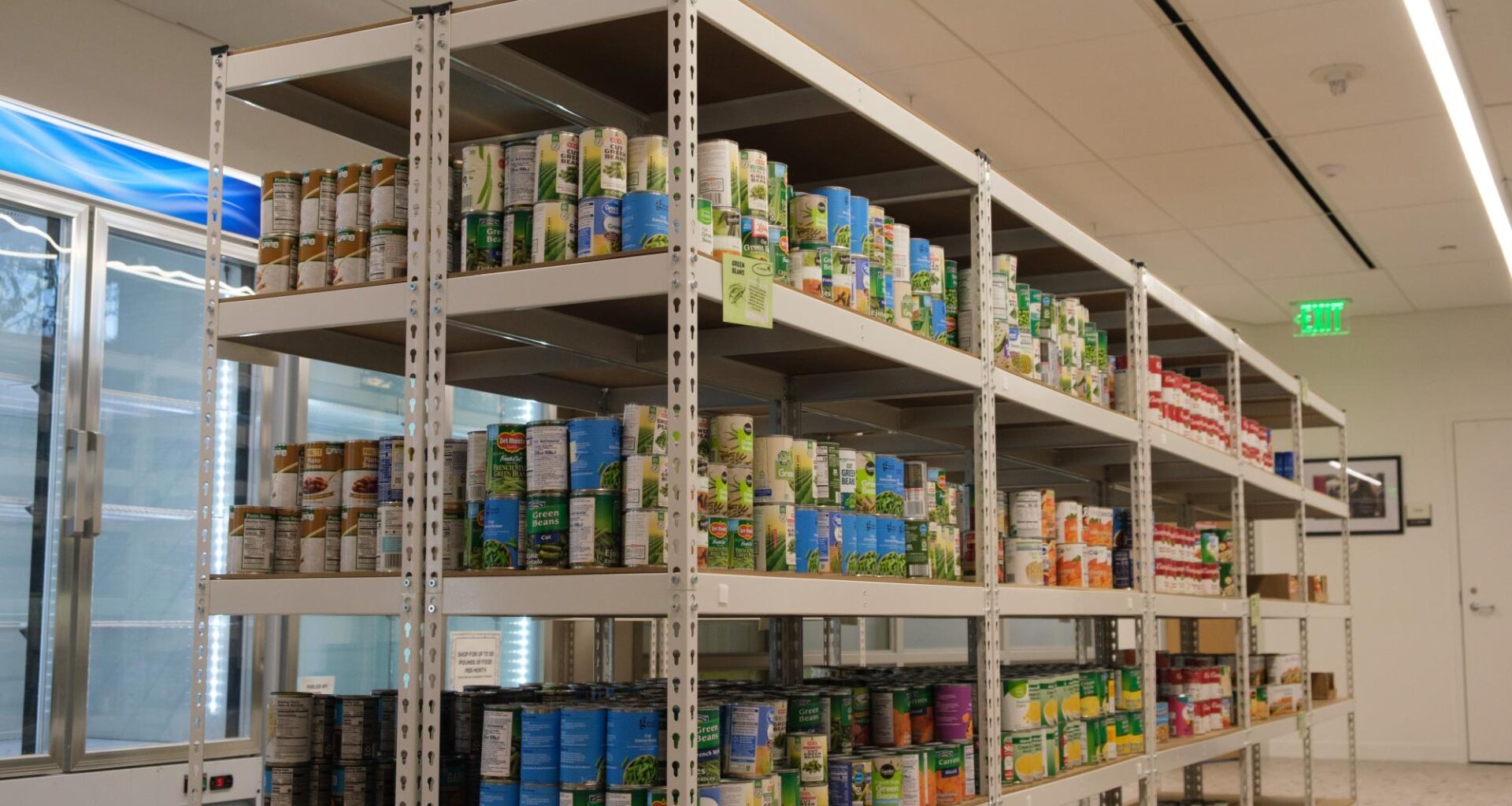
Campus resources have also had their own shifts. The number of pounds of food distributed by the UT Output increased threefold from 2021-2022 to 2024-2025, according to data from the Office of the Dean of Students. In January 2025, the center announced changes to its per-visit allotment, reducing the budget from 25 pounds to 20 pounds. While demand has increased for University-affiliated programs, some students have turned to peer-led organizations, like the Student Solidarity Network, which hosts biweekly community events, food distributions and fundraisers to support students facing financial hardship.
“We think that food insecurity is when you don’t eat for days,” said Geni Adame Lewis, political communications junior and SSN communications director. “It’s not having the support system to live a healthy and sustainable life. I think more people are probably struggling with it than we think. … What we can do on a Sunday or a Saturday for them makes the biggest difference.”
Since the organization’s founding in fall 2025, members have fundraised on Speedway to expand their programs and help develop an emergency fund for students who need assistance with rent and groceries.
“Every other Sunday, we host open jams at The Lodge on Pearl Street, and we hand out free food (and) free drinks,” Lewis said.
Although the University has made a concerted effort recently to support food security programs through the expansion of UT Outpost and new temporary meal cards, some students feel that the looming discontinuation of Bevo Pay and the disbandment of the Food Security Agency remove the ability of students to be able to advocate for themselves on a systemic level.
“Instead of the Food Security Agency being a bridge from the students facing food insecurity to our administration, they just took that bridge out completely,” said Mariyah Parks, corporate communications junior and former Food Security Agency member. “Now, students, I feel, have to take an extra step to speak on their concerns.”