
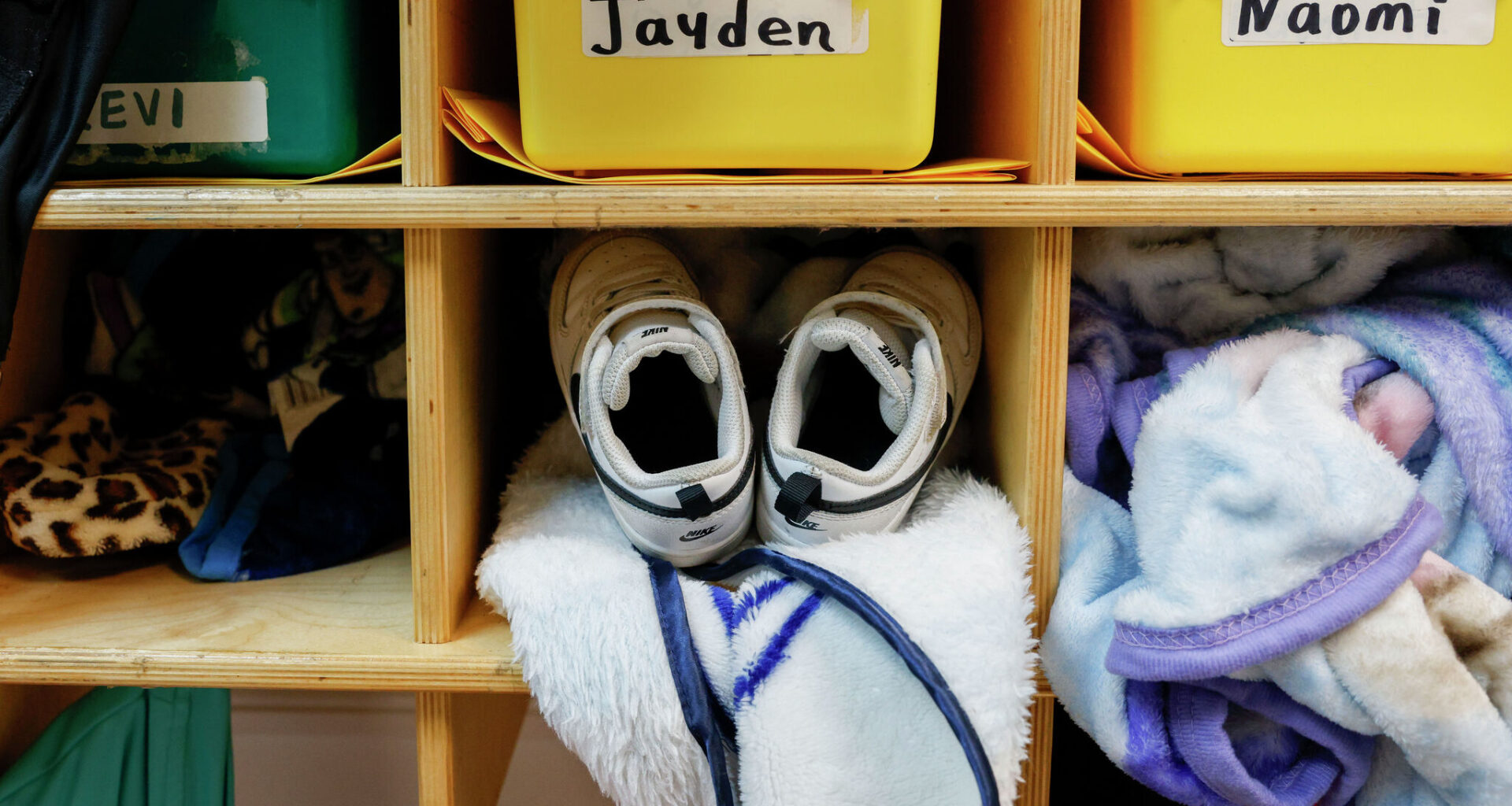
In Dallas County, thousands of parents cannot afford decent child care, and workers who care for young children must try to support their own families on an average wage of $15 per hour. It’s a problem for families — and for employers.
But Dallas County commissioners should reject the idea of raising the county’s property tax rate to subsidize child care for low- and moderate-income families. The county already has plenty to manage — most notably a jail that hovers near capacity despite falling crime rates and the remarkably sketchy roll-out of new court and criminal justice software. Dallas County needs to resolve those problems before tackling anything new. And the idea of the county becoming a major childcare funder is the wrong direction for Dallas.
Four nonprofits — the Commit Partnership, United Way of Metropolitan Dallas, the North Texas Early Education Alliance and Dallas Area Interfaith — brought the proposal to the county. The organizations studied the local child care landscape and suggested a 3-cent property tax increase, which could generate more than $90 million annually, according to county staff. The eligibility guidelines for subsidies would mirror those of the Texas Workforce Commission.
To most property owners, there’s never a good time for a tax rate increase, and this is an especially inauspicious time. Several local governments have recently passed bond propositions, tax rate increases, or will seek them next month. Dallas ISD has a $6.2 billion bond package, which we support, on the upcoming May ballot. And Dallas County wants a new jail, which could require a bond election.
All these local requests for additional funding make many property owners feel overburdened.
We do not discount the severity of the child care problem. The nonprofits involved are raising awareness about a serious issue that hampers economic growth and stresses families. But counties, and Dallas County in particular, aren’t the appropriate level of government to address what is a statewide and even national issue. The fact that Travis County passed a 2.5-cent tax for the same purpose in 2024 doesn’t mean Dallas should follow that path now.
Dallas County and the city of Dallas already have subsidy programs aimed at helping paying child care costs. Just last year, the county announced a $1 million pilot program that could provide up to $1,500 in matching funds to people in need of care.
Despite what appears to be a major child care need, just 31 children are active in the county’s pilot.
In January, Gov. Greg Abbott created a task force to “improve the quality, access, and affordability of child care for Texas families.” His announcement blamed bureaucracy and inflated costs for the statewide shortage of reasonably priced, higher-quality child care. The problems run much deeper than that, but the task force has a better chance of finding market solutions than what Dallas County has on tap.
Have thoughts about this? Send a letter to the editor using our letters form or email letters@dallasnews.com. Letters should be no more than 200 words and include the first and last name of the writer and city of residence.