
Those living in rural areas like the Texas Hill Country may be tempted to live off the land in a permanent way.
Whether it’s to be closer to nature, to save money, or to better enjoy fishing and hunting, here’s what the law says about camping on your own property in Texas.
In general, Texas is pretty relaxed about what you do on your own property. There are no statewide laws outright banning camping on your own land. So the answer should be pretty simple, right? Well, not exactly. It depends on where you live, city and county ordinances, zoning regulations, and utility and septic tank restrictions.
According to Texas Penal Code, §48.05, a code that regulates public camping standards, local governments are given authority to regulate full-time camping standards, though some counties and cities are limited in their power.
Under Texas Local Government Code Chapter 211, municipalities have the right to regulate land use through zoning restrictions when there’s an issue related to public health, safety and general welfare of the community.
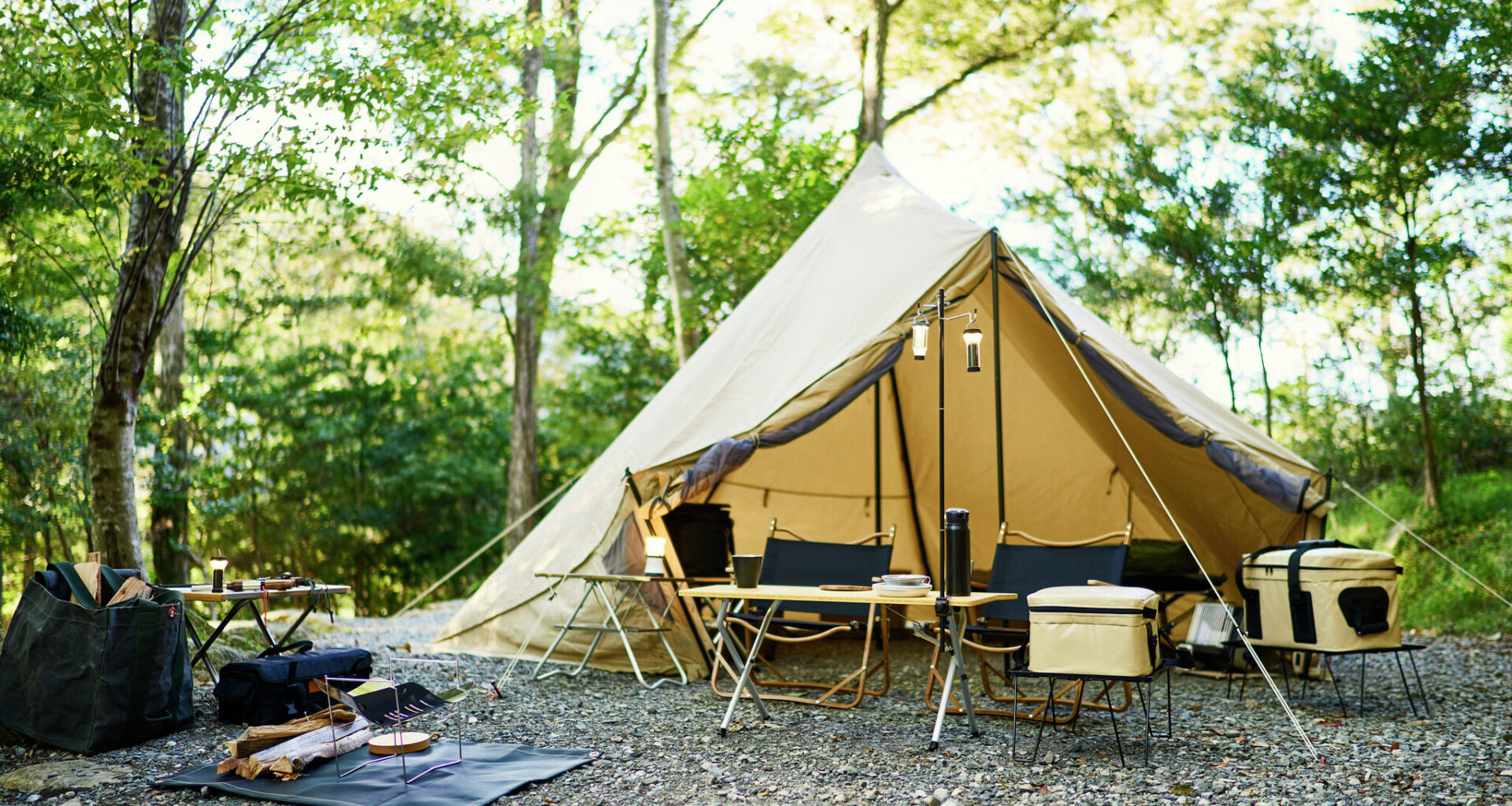
In Kerrville, for example, while camping on your own property is permitted, it cannot be used as a full-time living arrangement, according to Planning and Development Director Drew Paxton.
“A tent is not considered a legal dwelling unit. Under applicable building codes, a permanent residence must meet specific standards, including minimum square footage and adequate sanitation facilities,” Paxton shared with MySA through a city rep.
The city’s regulations also restrict how long someone may live in an RV, except if they are in a designated RV park.
But in more rural parts of the Hill Country, such as Kendall County, Kerr County, and Gillespie County, leaders may have less oversight, meaning fewer restrictions for full-time campers.
It seems that zoning and local health regulations are often the biggest barrier to camping full-time on your own property in Texas. Specifically, the Lone Star State has a number of state-level rules when it comes to on-site sewage systems, minimum sanitation requirements and health standards; and even public nuisance measures that could stop you from busting out the camp gear.
According to the Texas Commission on Environmental Quality, there are permitting, maintenance, and construction requirements for most on-site sewage facilities, including septic systems.
So, the reality of full-time camping, even in rural parts of the state, could place you at risk of violating a number of state regulations.