
The Costco hot dog combo is a curiously timeless thing. For 42 years, you could get a hot dog and fountain soda at a famous $1.50 price point at any local Costco. Unlike basically everything else in the world, the Costco hot dog combo has remained immutable to change.
Until now: You may now ask to swap your soda for water.
It is literally the smallest thing that could change about the Costco hot dog combo. And yet, it has. According to The Hill and its various Nexstar Media Group affiliates, shoppers noticed the change some six months ago at various stores nationwide. A month ago, a worker at a Hawaii location told KHON-TV they had just started offering water bottle substitutions.
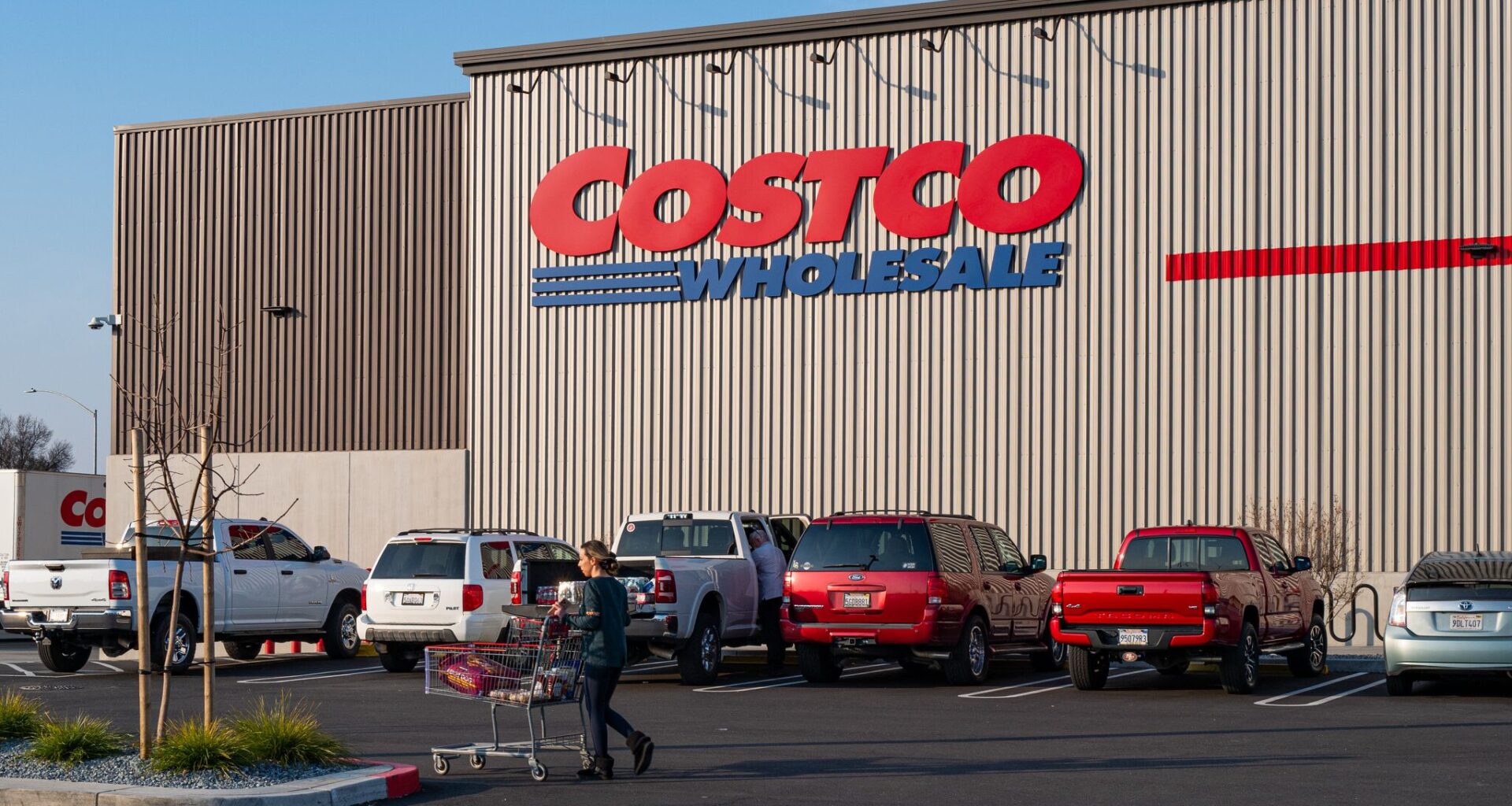
The option has already arrived in Houston. Wednesday, I visited the Costco at 3836 Richmond Ave. in the Greenway/Upper Kirby area. The electronic kiosk in front of the food vendor had two options: a hot dog and soda combo for $1.50 or a hot dog and water combo for $1.50. To really test the hypothesis, I ordered a soda combo and asked if I could swap it out for a 16.9-ounce bottle of water.
They did. I imagine someone who doesn’t drink soda might find this beneficial. Or maybe there’s someone out there who doesn’t like Coca-Cola. Last year, Costco ended its longstanding deal with PepsiCo and reintroduced Coke products to its food court (Pepsi had been the beverage de jour since 2013). The change officially happened last summer.
Costco has remained vigilant about not changing the $1.50 on its hot dogs since introducing them in 1984. It may have been the reason why the Coke-Pepsi-Coke swap happened in the first place. As for how they can keep it priced so low, one reason might be that Costco owns the entire means of production behind it. The wiener and bun are Kirkland products, produced at hot dog manufacturing plants in Chicago and Los Angeles.
Though Costco co-founder and former CEO Jim Sinegal has said the company makes enough money to make a “fair” return on the hot dog, some experts have predicted the warehouse retailer may be selling them at a loss. The thinking is that even though it may not make enough money, it brings in enough customers to make up for it.