
Lawsuit claims vape supplier misled Texas retailers, leading to raids and arrests
MediaNews Group/Los Angeles Dail/MediaNews Group via Getty Images
Two North Texas smoke shop owners are suing one of their vape suppliers, alleging they were sold products with illegal levels of THC—triggering police raids, arrests and the freezing of millions of dollars in business funds.

Abdelhamid and Feras Ajak, who operate several retail smoke shops in the Dallas-Fort Worth area, are now facing first-degree felony drug charges, but in their lawsuit, they claim they were misled by their vape supplier.
Article continues below this ad
According to the suit, which was filed last Friday, the smoke shop owners say their vape supplier “Munchies” had a product called the “Lil Ripper Vape,” which is marketed as having “THCA ‘liquid diamonds’: and that it was lawful to sell in the State of Texas.”
It turns out, these vapes were not legal.
In January 2025, the lawsuit says undercover officers bought the vapes, tested the products and “alleged they contained illegal levels of delta-9 THC.”
The store owners had their assets seized, were subject to several raids at their homes and businesses, along with nearly $5 million of their funds frozen, before they were arrested and charged with potential life sentences.
Article continues below this ad
However, the owners’ attorney, David Sergi, pushed back, saying his clients are just business owners and had no “role in the formulation, manufacturing, or labeling” of the vapes. He said his clients should be considered victims under the Texas Deceptive Trade Practices Act (DTPA), which allows businesses to sue over misleading or false product claims.
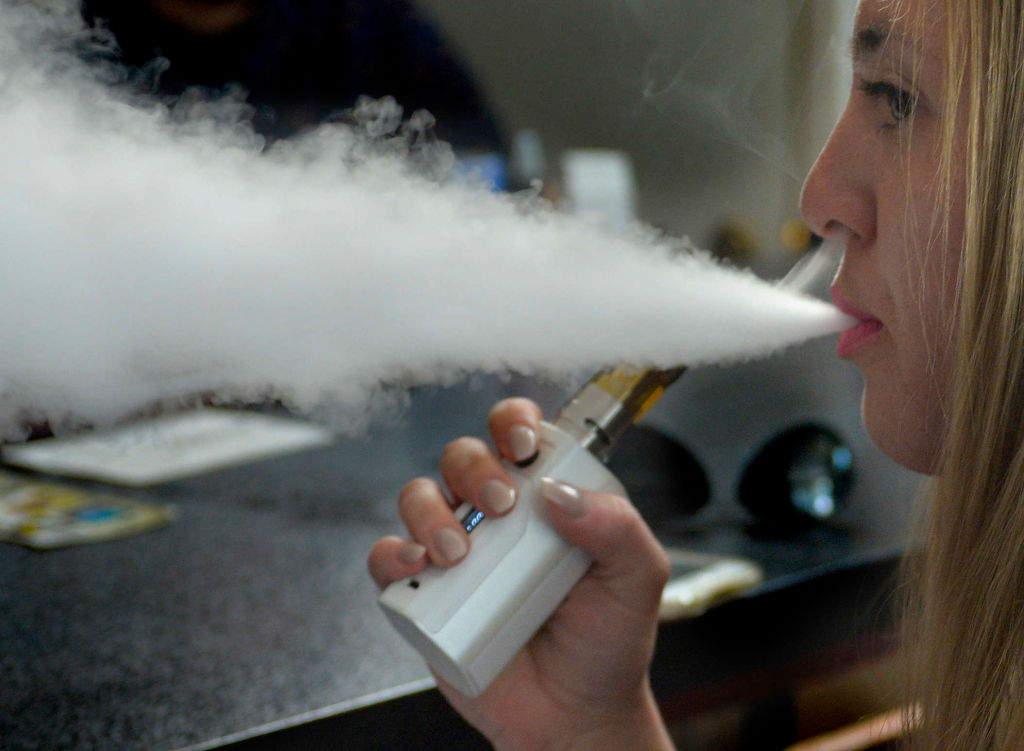
Two North Texas smoke shop owners are suing one of their vape suppliers, alleging they were sold products with illegal levels of THC.
chuchart duangdaw/Getty Images
“Retailers place trust in these manufacturers; they must know that the products are legal and compliant with all regulations,” Sergi said in a statement to Law360. “The certificates of analysis, which document the results of testing, must be accurate and beyond reproach.”
Chron reached out to Sergi and Munchies LCC, but did not receive a response before publication.
Article continues below this ad
Can retailers still face criminal charges?
Legal experts say the civil claims may not shield the shop owners from criminal liability.
Yusuf Bavi, a criminal defense attorney in Houston, told Chron the DTPA is commonly used in Texas to challenge deceptive business practices.
“In simple terms, it allows a purchaser to sue someone who provides goods or services for breach of warranty or misrepresenting the goods being sold,” Bavi explained. “What’s interesting about the DTPA is that it provides for treble damages — meaning if the deception was intentional, the damages can be tripled, and the losing party may have to pay attorney’s fees.”
Article continues below this ad
Still, he emphasized that success in civil court does not automatically translate to protection in a criminal case.
“The standard here is reasonableness,” he said. “What’s a reasonable duty for a purchaser to know about the status of the goods they’re buying? That’s not always clear-cut.”
Bavi compared “reasonableness” to obvious defects in a major purchase, like buying a car with broken windows—something a buyer should reasonably notice—but said cases involving technical products like vape cartridges are less straightforward. Especially for business owners operating in Texas’ complicated cannabis gray areas.
Article continues below this ad
“When you start talking about a device like a vape, where it’s not one big purchase but a whole bunch of purchases in bulk, and it’s a bit technical, it gets more hazy,” he said. “It’s unfortunate that [the two owners] relied on their plug, so to speak, and that they found themselves in this conundrum.”