
The act provides a solid foundation for addressing potentially valuable — and potentially intrusive — tools that must be handled with care. We urge the council to further strengthen the TRUST Act to ensure more timely disclosures about this technology, more opportunities for public vetting and more robust oversight.
Importantly, the act requires city agencies to get approval from the council before adopting any surveillance technologies. But the lag time in the “exigent circumstances” exception worries us. It allows an agency to deploy a technology on an emergency basis, without authorization, and requires it to be reported to City Council within 60 days.
Two weeks would be a more reasonable reporting time frame, in our view. If a threat is imminent enough to require immediate action that bypasses the authorization process, the agency should be able to report that use and its justifications just as promptly. A similar ordinance in San Diego, for example, requires immediate reporting of an exigent-use deployment.
Given the complexities of quickly evolving technologies, Austin would also benefit from a more substantial public engagement process before any new surveillance technology is approved. Authorization by the City Council is crucial, but it should be the culmination of the process, not the only forum for public vetting.
The city’s Public Safety Commission would be a natural first stop. The ordinance does require an agency to publish a privacy impact assessment four weeks before the council votes on a proposal, but directing it through the commission first would increase the public’s chance for meaningful, focused discussion before a technology is approved.
Council Member José “Chito” Vela, who introduced the measure alongside Council Member Mike Siegel, told us his office’s research found that other cities that included such commissions saw proposals get “bogged down” by unnecessary administrative hurdles. This does not strike us as an insurmountable obstacle. The Public Safety Commission could use the privacy impact assessments to inform its deliberations. And this dedicated forum would allow for more substantial public input on technology of tremendous public concern.
Lastly, the TRUST Act needs to spell out greater oversight mechanisms. The agency using the technology cannot be the only one monitoring how it’s being deployed. Whether through the Office of Police Oversight or council-ordered reviews by the city auditor, a mechanism is needed to ensure the guardrails are working as intended.
History shows this is necessary, given the fact that some Austin police officers previously circumvented a similar city directive. The Washington Post reported in 2024 that some officers skirted Austin’s 2020 ban on police use of facial recognition technology by asking an officer in Leander, which uses that tool, to run images through its system for them more than a dozen times.
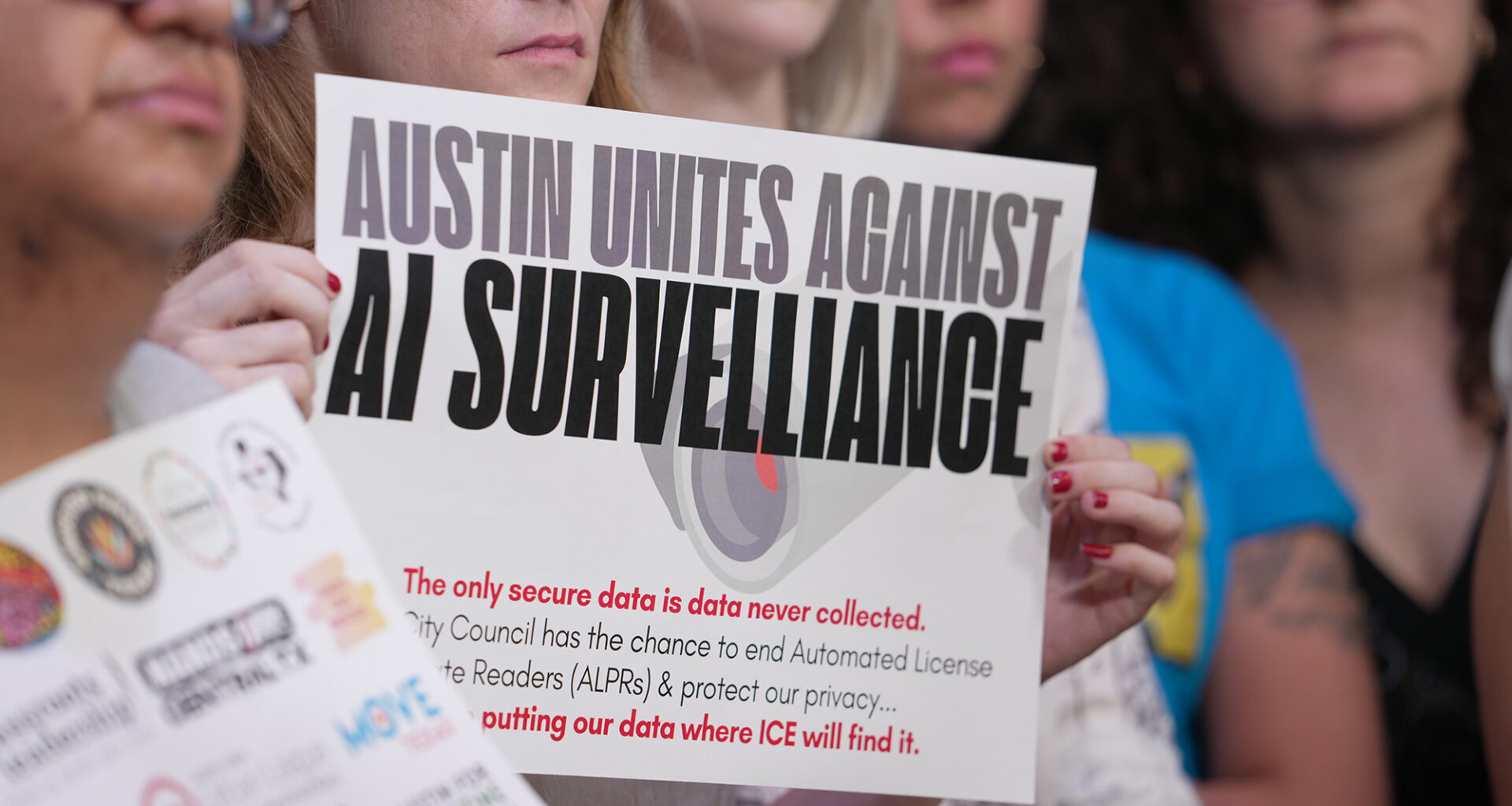
Technological advances can help fill police staffing gaps and aid investigations in revolutionary ways. They also increase the risks to residents’ constitutional rights. While they have been credited with helping solve some crimes, facial recognition and license plate readers have also led to wrongful arrests, primarily among people of color. And advocates warn the technologies can disproportionately affect vulnerable communities such as immigrants.
Trust is a transaction. The public does not give it without receiving something in return. The TRUST Act marks a meaningful first step, and one we hope the City Council will continue to build upon.