
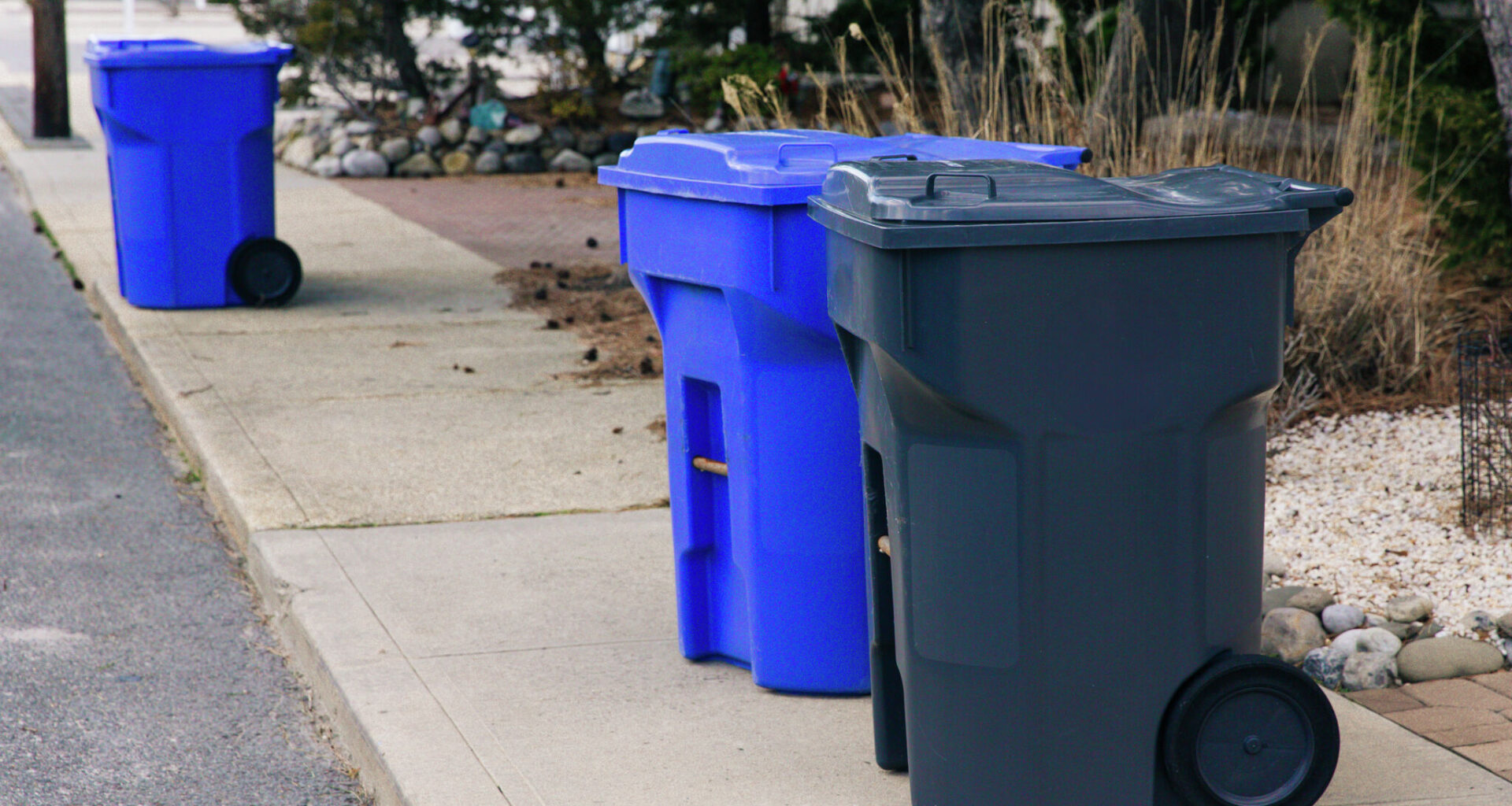
As many things are in Texas, the rules around trash bins are largely left to the leaders of Lone Star State cities in towns. While some are pretty lax on the laws of garbage can storage, smaller and wealthier cities tend to be more prescriptive.
In San Antonio, there are no clearly stated rules on where a trash bin from the city must be stored. The same goes for many major metros, like Dallas and Austin, but cities like Alamo Heights say they can’t be stored in public view.
“After a garbage can or trash/brush can or receptacle has been emptied, it shall be removed by the owner of such can or receptacle from the collection point on the parkway of a street at the earliest possible time on the day of collection, and returned to a point of storage on private property and not readily visible from said street or alley,” the Alamo Heights City ordinance states.
It’s a similar story for many neighborhoods with boards running the show, like a homeowners’ association. For example, the Monte Viejo Community Association in San Antonio says trash cans should be hidden from view “promptly after trash pick-up.”
While many major cities may be more lenient on where bins are stored, when they get removed the curb is set in stone for all cities.
In most major Texas cities, trash bins can be placed out the night before trash pickup and must be removed the evening of trash pickup. In San Antonio, carts can go out no sooner than 6 p.m. the day before collection and must be brought back off the public right of way by 10 p.m. on collection day.
It’s a similar story for most cities, with some granting some leeway and allowing residents to bring their carts in the morning after the trash is compiled.
For the most part, cities in Texas aren’t fining people for leaving their trash cans on the curb too long. However, most cities say a bin left out too long can be deemed a public nuisance and collected by city staffers, leaving that resident without a convenient way of disposing of their garbage.
Of course, this doesn’t completely rule out the risk of a fine. In most cities, creating a public nuisance is a fineable offense.