
EL PASO, TEXAS (KFOX14/CBS4) — Facing mounting administrative burdens and a growing demand for specialized care, pediatric endocrinologist Dr. Héctor Granados is restructuring his practice in a move he says will ultimately improve access and quality of care for children in the region.
Granados, a specialist in pediatric endocrinology, has served the El Paso community since 2014.
After years in academic medicine, including training at New York City Health and Hospitals, NYU, and Connecticut Children’s Medical Center—he returned home to address what he describes as a deeply underserved population.
“I think it’s a very underserved population. And something that I always predicated is the social responsibility that I have.”
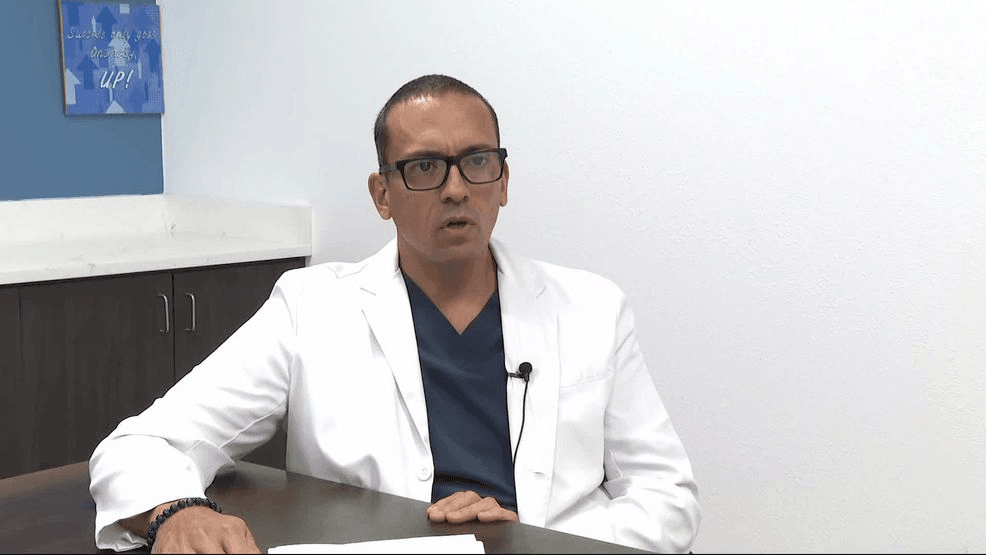
Dr. Hector Granados, pediatric endocrinologist. (Credit: KFOX14/CBS4)
RELATED: El Paso families worry as local clinic stops accepting insurance; switches to cash-only
That need has only intensified.
A persistent challenge facing El Paso’s healthcare system is the difficulty in attracting and retaining specialists; an issue Dr. Héctor Granados says directly impacts patient access to care.
When Granados first joined Texas Tech University as faculty, he was part of a team of five pediatric endocrinologists.
Over time, however, the others left, leaving him as the sole provider in the region for several years.
“People have different reasons for leaving,” Granados said. “I don’t want to speculate too much, but some may not have felt supported or found the workload sustainable.”
He points to a combination of factors that make recruitment difficult: high patient demand, limited specialist support, and the expectation of being on call far more frequently than in larger metropolitan areas.
In cities with larger medical networks, endocrinologists may share call duties among a dozen or more physicians.
In El Paso, that responsibility often falls on just one or two.
Granados and his colleague, Dr. Sanjeet Sandhu, are currently the only pediatric endocrinologists on call serving a wide swath of West Texas and southern New Mexico.
Together, they provide around-the-clock care, consulting with hospitals and emergency departments across the region, including in Albuquerque, Deming, and Ruidoso.
Dr. Granados mentioned he recruited Dr. Sandhu to his practice six years ago in hopes of providing more medical service to patients in need.
He also said his practice handles more than 1,200 visits per month and treats more than 8,000 patients each year.
“We take care of being on call 24/7,” he said.
Granados explained his practice is dropping private insurance and moving out of network on commercial plans as his practice transitions to a Direct Patient Care (DPC) model.
Under the change, families would pay out of pocket rather than having visits billed through private insurance.
According to Dr. Granados’ website the DPC model offers:
$350 consultation fee for new patients and non-membersBone age X-rays available on-site for $30 for non-members; members receive two free X-rays annuallyMonthly membership options include:$50 basic plan covering thyroid conditions, puberty, growth, obesity, and weight management$150 comprehensive plan covering type 1 and type 2 diabetes
Dr. Granados also offers services based off of diabetes,
He said the shift is intended to reduce administrative workload, adding it “is going to allow us to have less burden on processes that are administrative that really take a lot of time and effort.”
The change, Granados says, is driven primarily by administrative challenges rather than financial gain.
“I have four full-time employees just handling insurance billing,” he explained. “That’s time and resources that could be spent on patient care.”

Dr. Hector Granados’ office and health center in East El Paso. (Credit: KFOX14/CBS4)
He also cited frequent delays caused by insurance requirements, such as prior authorizations and limits on the number of visits per year.
These barriers often lead to missed appointments and delayed treatment, particularly problematic for chronic conditions like diabetes that require ongoing monitoring.
“With DPC, patients can be seen as often as they need,” he said. “There are no co-pays, no caps, and the entire care team is available to them.”
Granados adds the decision follows years of frustration with insurance denials and the time required to appeal them.
“We get a lot of denials for services… And then we have to work on appeals and trying to recoup that amount of money,” he said.
KFOX14/CBS4 asked how often appeals are approved, Granados said, “After going through the motions of sending documents and talking to people, I would say like 50 to 70% would get approved, but you already spent all that energy in trying to get that covered.”
He also pointed to delays tied to prior authorizations and to missed appointments.
“And then we have a big issue with no shows and cancellations… we have a no show cancellation rate of 30-40% daily, which is a lot, I think,” Granados said.
Granados said he tried reaching out to insurance companies for help addressing the financial impact of missed appointments but said those efforts did not lead to changes.
“I reach out to the insurance’s asking for capitation asking to relieve that problem to help us cope with the fact that patients have a very high no-show cancellation rate and then they ignore us,” he said.
As KFOX14/CB4 has reported, some families have raised concerns about affordability and access.
Brianna Reese spoke with KFOX14/CBS4 on Wednesday stating, “I couldn’t even pay out of pocket if I wanted to the only unless I joined the membership.”
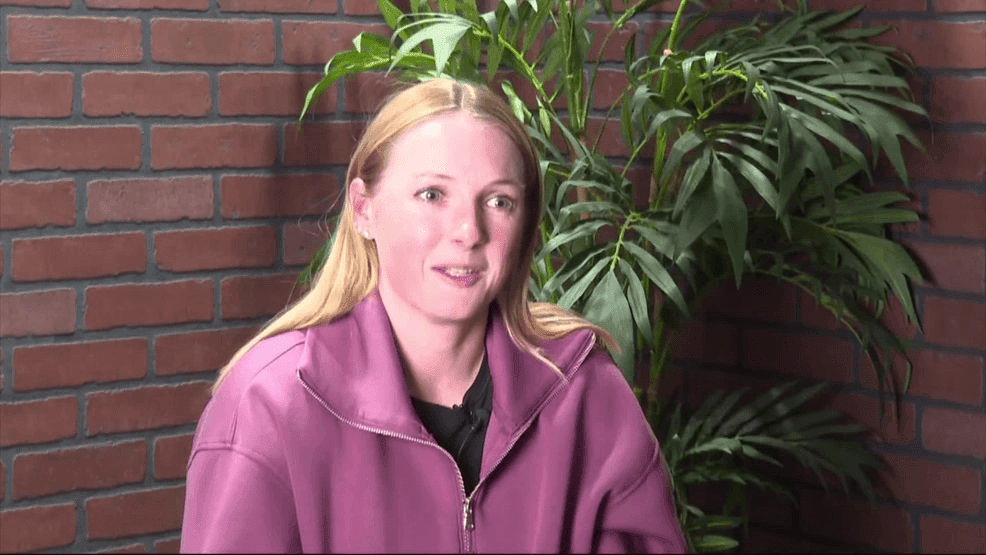
Brianna Reese, type 1 diabetic, mother of 10-year-old Rockwell Reese. (Credit: KFOX14/CBS4)
Reese adds, “For other families, like $150 is, you know, they’re electric bill. So it’s, I don’t know, it’s a lot.”
Reese also added concern over possibly traveling hours away for the next nearest pediatric endocrinologist that will accept her insurance.
Granados said families concerned about having to travel long distances to use private insurance should contact his office.
“We understand that every family’s situation is different,” he said. “We’re willing to work with them to find solutions…For example, patients that we take care of who have more than one child that needs to be seen, we’re going to accommodate those patients.”
RECOMMENDED: El Paso IDEA Edgemere principal arrested in off-campus DWI case
KFOX14/CBS4 asked Granados what would he say to parents who now are facing possibly a four plus hour drive for specialized care to use their private insurance?
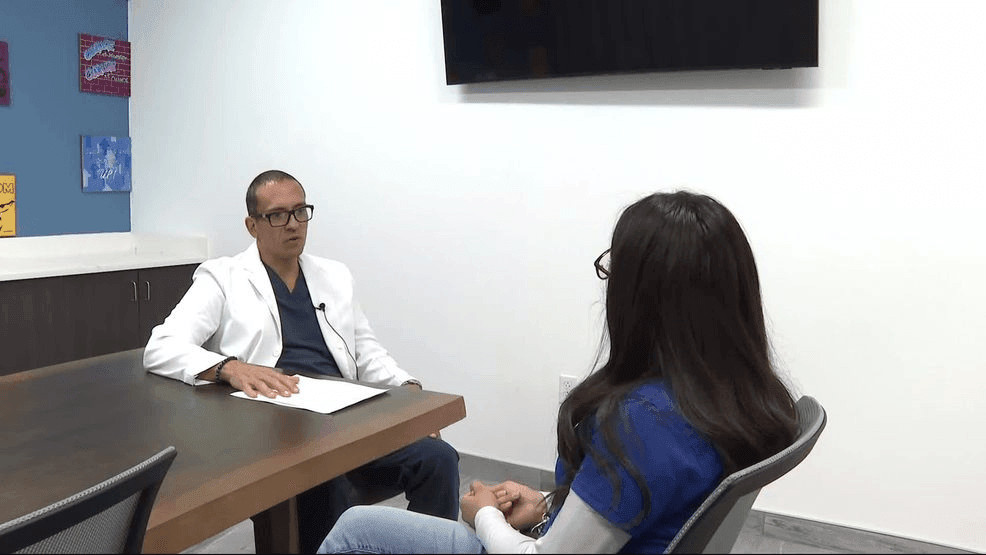
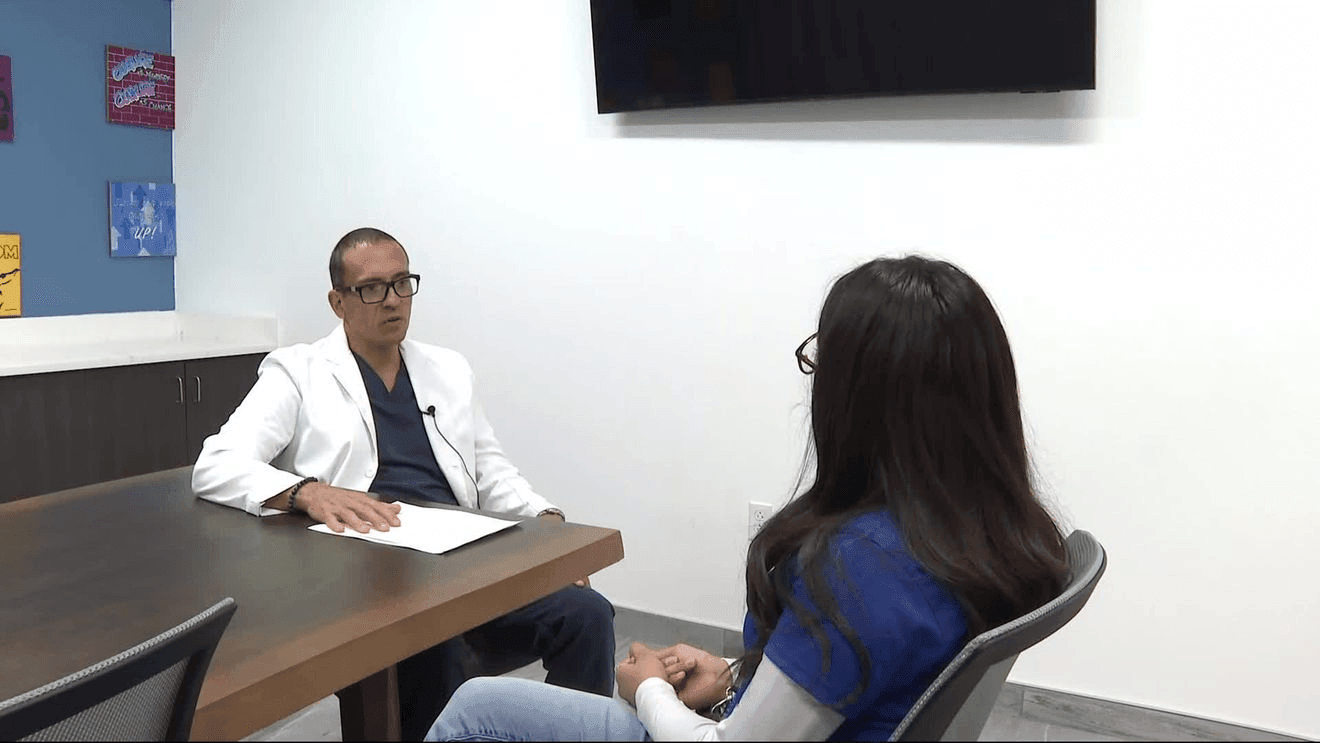
KFOX14/CBS4 reporter Julia Spencer interviews Dr. Hector Granados. (Credit: KFOX14/CB4)
Granados responded, “They can come to the office so we can explain in detail. Maybe they have a different understanding of what we are doing and why we’re doing it, but they don’t have to go elsewhere. We’re here to take care of them. It’s just a different way of paying for the services, but we’re not the only ones doing this,” he said.
He also emphasized that the practice will continue to provide hospital care regardless of a patient’s insurance status.
“When a child shows up in the hospital, we don’t ask about insurance,” he said. “We just take care of them.”
Granados shared with KFOX14/CBS4 that more specialists nationwide are exploring direct care models as a way to reduce burnout and improve patient relationships.
Granados mentioned:
Dr. Amy Burton in Plano, Texas who charges a $150 DPC membership fee for a comprehensive plan. Dr. Penelope Pauley in Ocoee, Florida who charges a $195 DPC membership fee for a comprehensive plan. .Dr. Robert Ferry in San Antonio, Texas who charges a $100 DPC membership fee and limits his services to 300 patients total.
Despite the move away from private insurance, Granados said his commitment to patients remains the same.
“If I don’t take care of these vulnerable population, who’s going to do it?” he said.
KFOX14/CBS4 spoke with the El Paso Center for Diabetes who states that two other endocrinologists are currently accepting pediatric patients for type 1 diabetes; Dr. Benito Marranzini and Dr. Sergio Rovner.
Sign up to receive the top interesting stories from in and around our community once daily in your inbox.