
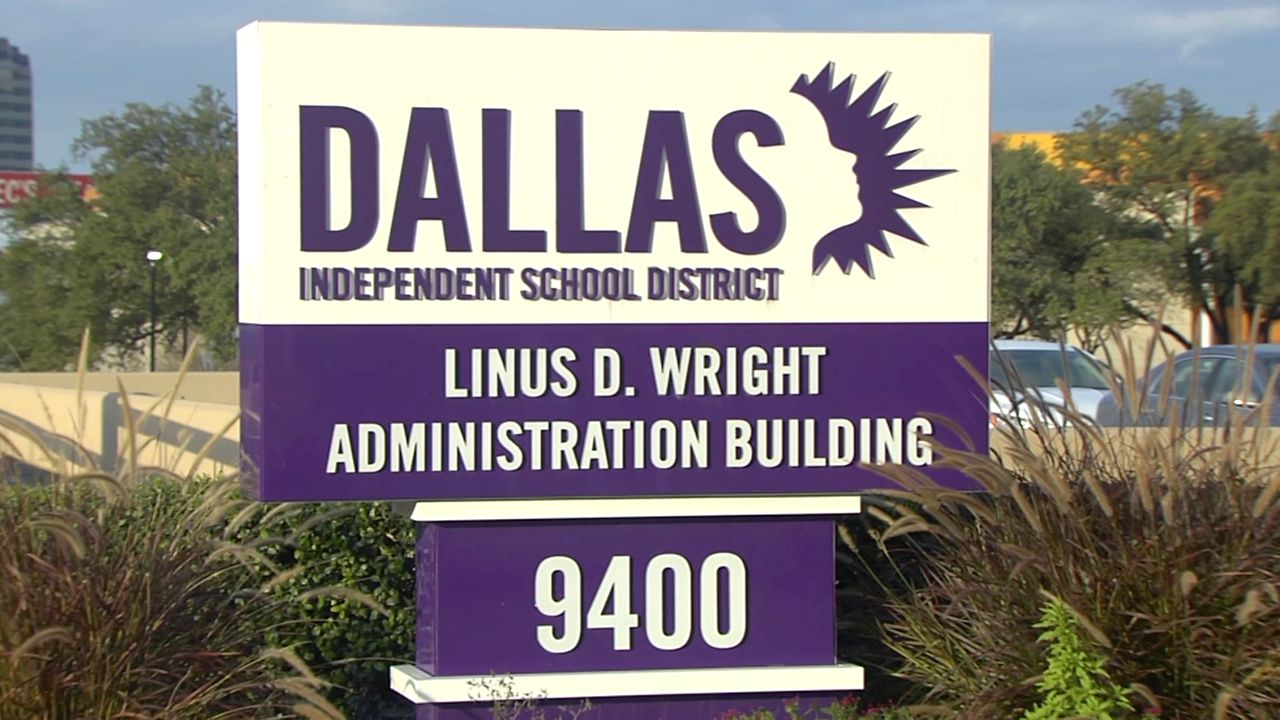
DALLAS — A small group of North Texas voters just passed the largest school bond measure in state history on Saturday. The $6.2 billion bond benefits the Dallas Independent School District, and many are now wondering what this money will go toward.
The biggest chunk of that money is to help build 26 new campuses, bringing the district’s total to 254 campuses. The money will also help improve 28 existing campuses, but all of that is just one of the four propositions on the ballot that voters approved over the weekend.
The other propositions will pay for technology upgrades, help the district pay off older debt and repair aging district swimming pools. Dallas ISD leaders say the passage is a big win for public schools and future students.
Dallas ISD Board of Trustees President Joe Carreón took to social media thanking voters for passing the issue, saying, “This investment will impact tens of thousands of students for generations. I’m excited to take this next step forward together listening, collaborating, and delivering on what matters most.”
Ultimately, this means an increase in taxpayers. The district says the property tax rate will increase by one cent, which doesn’t sound like much initially. To put that in perspective, Dallas ISD says—based on the average home price in the district of around $525,000—homeowners will pay roughly $30 more on their property tax bill each year.
However, the exact amount will be different for every homeowner. People 65 and over are not affected if they filed for the homestead exemption. Texas Public Policy Foundation policy director, James Quintero, explains that the extra money on your tax bill is just one of the many factors that come with a bond package of this size.
“If the district is going to build all of these new buildings, it’s also going to have to staff them and so there are lots of maintenance-related expenditures that the district’s going to have to raise money for,” Quintero says. “So I would anticipate that as the summer months unfold.”
Quintero also said that early analysis shows turnout for the election was low, with less than 10% of registered voters casting their ballots. That means that the largest bond package in Texas history was passed by a significantly small number of Texas voters.