
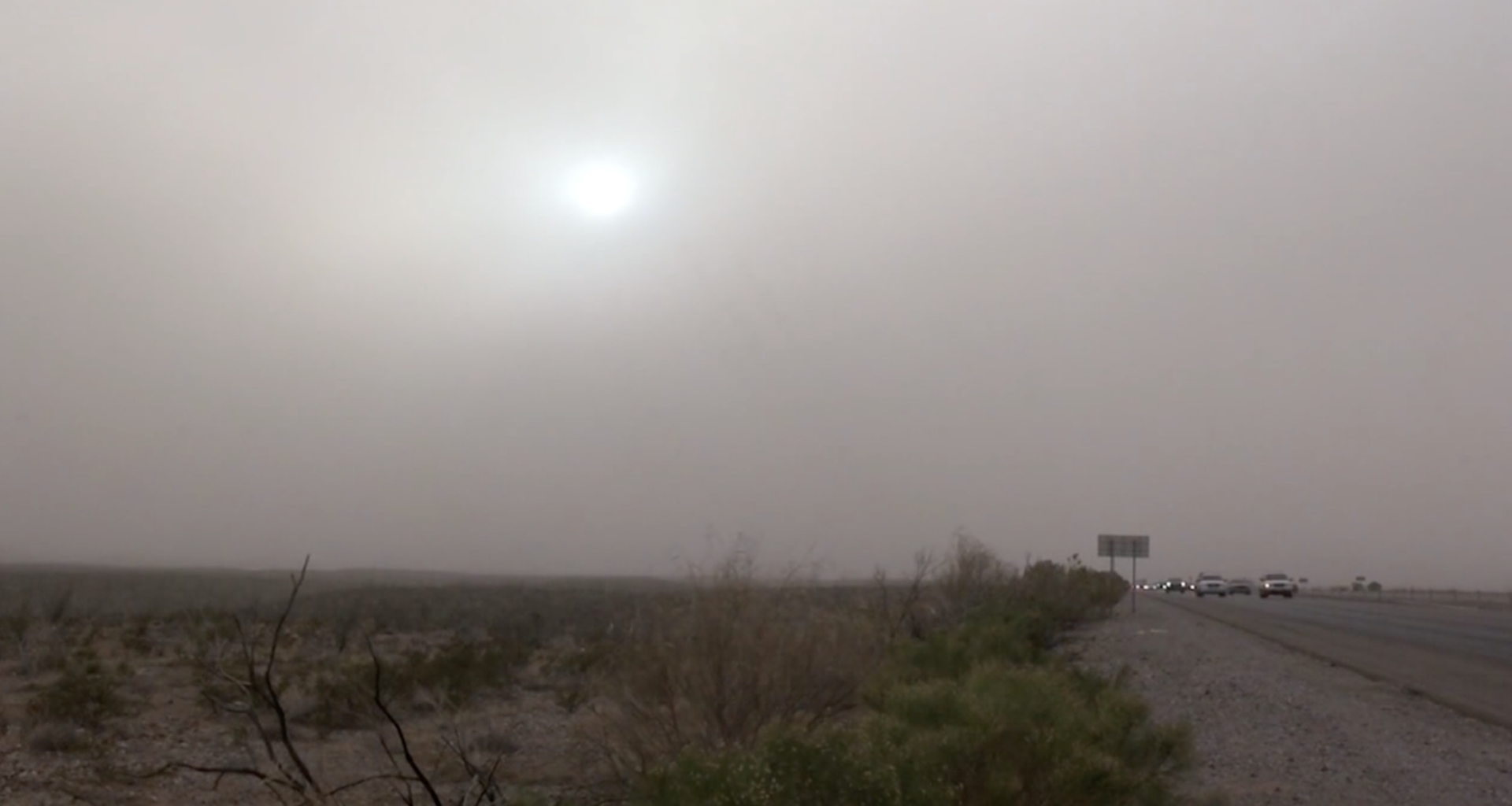
EL PASO, Texas (KVIA) — A study from researchers at The University of Texas at El Paso is shedding new light on why Valley fever cases continue to rise in the Borderland.
Researchers say extreme heat, wind and air pollution appear to be contributing to the increase.
The study, recently published in the International Journal of Biometeorology, found Valley fever cases in El Paso County more than tripled from 2013 through 2022.
Valley fever is a respiratory infection caused by inhaling spores from a fungus that lives in desert soil throughout the Southwest, including the Chihuahuan Desert region around El Paso.
“This is an endemic region because of the geographical conditions and everything associated with the climate,” Gabriel Ibarra Mejia, associate professor in the Department of Public Health Sciences at UTEP, said. “This is a type of fungus that thrives in desert environments like ours.”
Researchers said the illness often begins with symptoms similar to the flu, COVID-19 or other respiratory infections, which can make it difficult to diagnose.
“The symptoms are very common to any other type of respiratory illness,” Ibarra Mejia said. “It can start mimicking something like the flu, sometimes probably COVID, but it can go all the way to develop pneumonia.”
The study found Valley fever cases were associated with periods of high temperatures above 102 degrees, increased wind and elevated levels of airborne dust and pollution in the weeks and months before reported infections.
Ibarra Mejia said the findings suggest Valley fever is tied to a combination of environmental factors rather than dust storms alone.
“It is not necessarily with the dust storms,” Ibarra Mejia said. “It is a combination of factors, heat plus wind plus pollution.”
Researchers also believe the disease may be underdiagnosed because many healthcare providers do not immediately test for it.
One goal of the study, Ibarra Mejia said, is to increase awareness among doctors so Valley fever is considered when patients present with lingering respiratory symptoms.
“We want healthcare personnel to actually consider it while doing a diagnosis,” Ibarra Mejia said.
Valley fever can be diagnosed through a blood test and treated with antifungal medication, but researchers warn that untreated infections can become severe and spread beyond the lungs.
“If it goes untreated for a long time, it can go to other parts of your body,” Ibarra Mejia said.
Researchers said construction, land disturbance and other activities that move soil may also increase exposure risk by releasing fungal spores into the air.
To reduce the risk of infection, Ibarra Mejia urged residents to be cautious around dusty areas, construction zones and other places where soil is disturbed, and to wear face coverings when appropriate.
The research team said it will continue collecting and analyzing data, but for now its focus is educating both the public and healthcare providers about a disease they say many people still do not realize is present in the region.