
AUSTIN, Texas — Marcus Cardwell, who is blind, works as the front desk receptionist at the Texas School for the Blind and Visually Impaired, where he was once a student. For Cardwell, transportation and mobility have long presented challenges.
“How important is feeling independent to you?” Cardwell was asked. “It’s absolutely important,” he said. “Because you don’t ever like to feel like you have to wait on someone else when something’s important.”
Cardwell said relying on rides from others has long been a reality for many visually impaired people. “That’s kind of normal for us visually impaired people to have to call a ride and wait for it,” he said. “But the future-looking thing to where you kind of feel that even if people are busy and there’s not a person available to you, that there may be an autonomous car available.”
RELATED| POLL: Would you feel comfortable riding in a Waymo?
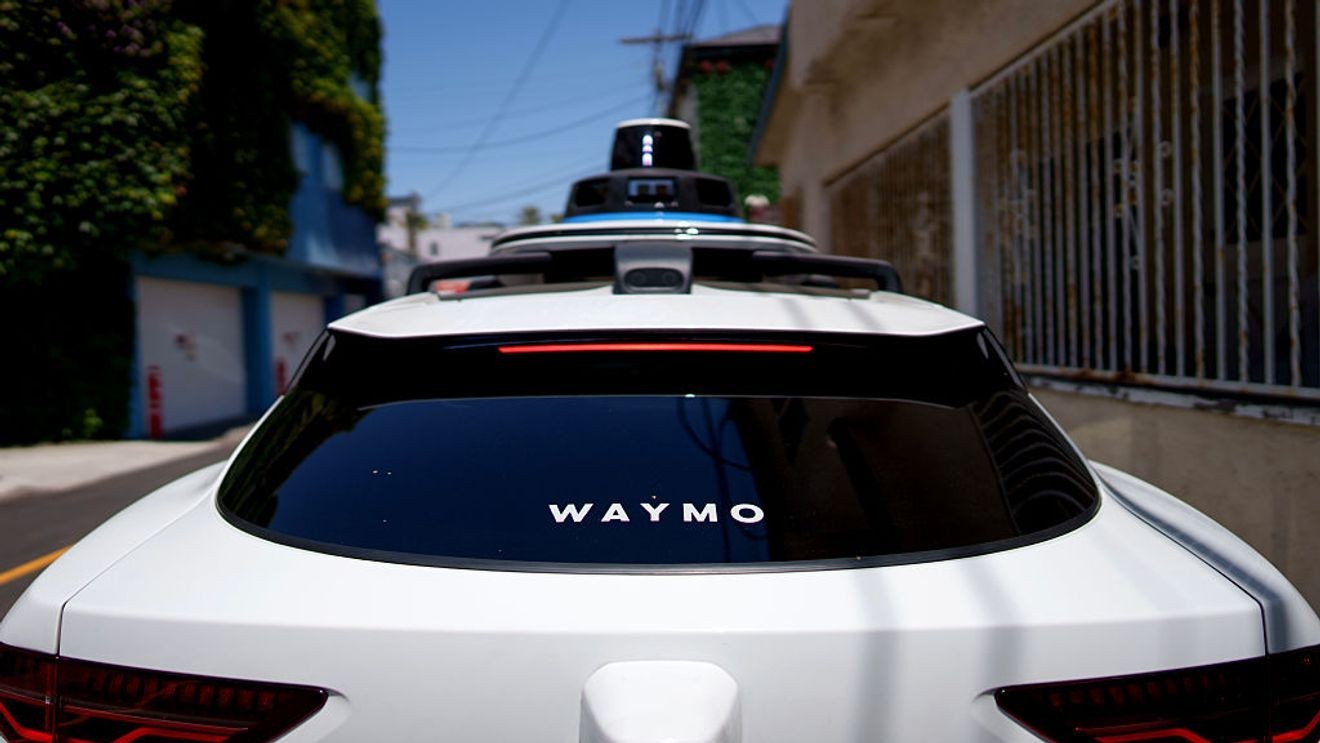
Cardwell began using Waymo during the company’s early days operating in Austin, after the Texas School for the Blind and Visually Impaired received codes for staff members to test the autonomous rideshare service. The experience was positive.
“Personally, I think Waymo is the best thing since sliced bread,” he said.
Emily Coleman, superintendent of the Texas School for the Blind and Visually Impaired, said transportation remains a major barrier for many people who are blind or visually impaired. “Mobility is probably one of the biggest barriers to employment, recreation,” Coleman said. “And so having more ways to access independence is just always a positive change for your community.”
Coleman said some students and staff experienced a level of independence they had not previously known.
“They had never gone anywhere by themselves, because you always need a driver,” she said. “You always have to be on a bus, like you’re never alone and in charge of your own independence. And it was the stories about like, wow, that was my first time ever alone in a car.”
Waymo’s expansion in Austin has also drawn scrutiny. The company has faced headlines involving autonomous vehicles becoming stuck or blocking traffic.
A Waymo spokeswoman said the company is continuing to improve the technology while working with disability communities. “We know the status quo is not acceptable and that is what drives us every single day,” she said. “In addition to expanding accessibility, we believe technology can save lives. And now that we’ve been driving for over 200 million miles on public roads, you’re starting to see data that’s showing that we are 13 times safer than a human driver.”
The spokeswoman also said the Texas School for the Blind and Visually Impaired partnered with Waymo three years ago to provide feedback and test the rideshare service. Some staff members are now regular riders.
Cardwell said he has not personally experienced major issues with the service, though he believes some aspects still need improvement. “The pickup and dropoff,” he said. “But it’s nobody’s fault really. I think it’s just the technology’s new.”
For some people who are blind or have low vision, autonomous vehicle technology has also created hope for greater independence in the future, including the possibility of one day owning and operating their own vehicle without assistance.
“There’s a phrase in the accessibility community, ‘Nothing about us without us,’” the Waymo spokeswoman said. “And Waymo really took that to heart.”