
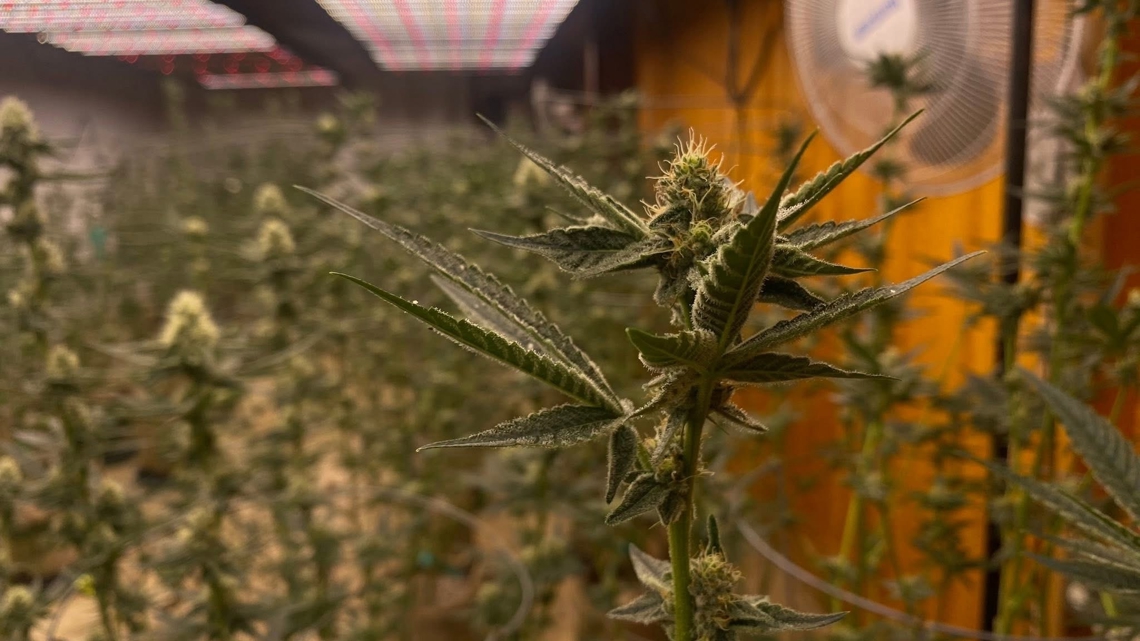
The Texas Hemp Business Council said it wants a judge to step in by Friday and block the new rules again while the appeal process plays out in court.
AUSTIN, Texas — Hemp industry leaders say a ban on smokable hemp is back in effect in Texas, after the Department of State Health Services (DSHS) filed an appeal of a ruling that allowed the sale of natural smokeable hemp products as litigation over new state regulations of the product plays out.
On May 1, a Travis County district judge ruled that smokeable hemp products, including flower buds and rolled joints, could still be sold in Texas until July 27. The ruling was an extension of a temporary pause that was first granted in early April. New rules regulating the product were set to go into effect on March 31 prior to the court’s intervention.
The Texas Hemp Business Council said it wants a judge to step in by Friday and block the new rules again while the appeal process plays out.
The new rules included new testing requirements for products containing THC, the compound responsible for cannabis’ psychoactive effects, and increased licensing fees for hemp retailers and manufacturers.
At the center of the dispute is how the state calculates THC levels. Many state leaders have said the products are widely unregulated and marketed to children.
DSHS said the updated rules align with an executive order issued last September, which aims to prevent minors from accessing hemp‑derived THC and strengthen enforcement across the state.
The Texas Hemp Business Council, as well as a number of hemp retailers, then sued, arguing that several of the new regulations conflict with existing Texas law and the Texas Constitution.
Plaintiffs argued that the state’s method is stricter than lawmakers intended and could threaten thousands of businesses. Hemp products are widely sold across Texas, including oils and edibles often marketed for health and wellness. They also argued that DSHS overstepped its authority since the Texas Legislature did not formally approve the new rules.
Economist Beau Whitney testified the restrictions could cost Texas $7.2 billion annually and eliminate about 36,000 jobs as businesses close or relocate to states with less restrictive laws.