
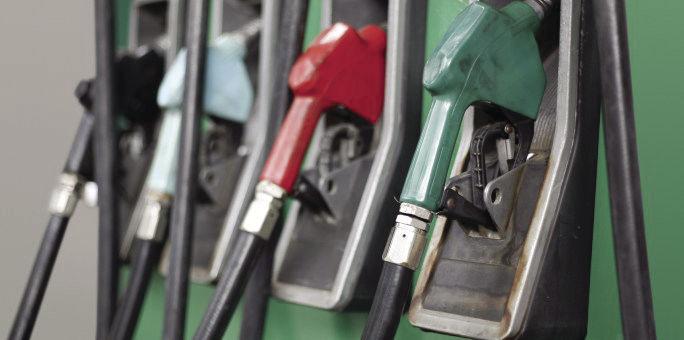
Texas gasoline prices are back above $4 a gallon for the first time since 2022 as the U.S.-Israeli war with Iran keeps crude oil prices volatile.
The statewide average price for regular unleaded gasoline in Texas climbed to about $4.08 per gallon this week, according to AAA.
That’s about 24 cents higher than a week ago and more than $1.30 higher than this time last year, when the pump price average was $2.76 a gallon.
In Austin, drivers are paying about $4.12 per gallon on average, up roughly 24 cents from a week ago. Prices in San Antonio are hovering around $4.10. San Angelo drivers were facing some of the state’s highest prices at roughly $4.21 per gallon, while Lubbock remained among the least expensive at about $3.91. The average in Dallas was about $4.16 Friday, while drivers in Houston were paying about $4 a gallon.
“Elevated crude oil prices remain the main driver behind the higher prices Texas drivers are seeing at the pump,” said Daniel Armbruster, spokesperson for AAA Texas. “Ongoing geopolitical tensions and uncertainty surrounding the Strait of Hormuz continue to influence the global oil market. At the same time, warmer weather brings more people onto the roads, which typically increases fuel demand this time of year.”
Nationally, the average price for regular unleaded gasoline had climbed to $4.55 per gallon Friday, about $1.40 more than a year ago — up 25 cents for the second consecutive week and roughly 53% more than before the war.
Oil prices have surged since the U.S. and Israel attacked Iran, disrupting energy production in the Persian Gulf and effectively halting tanker traffic through the Strait of Hormuz, a critical global chokepoint. About one-fifth of the world’s oil typically passes through the narrow waterway, but much of that supply is now stranded.
West Texas Intermediate crude, the U.S. benchmark, was trading between $94.50 and $95.15 per barrel Friday, while Brent crude, the international benchmark, hovered near $100 per barrel, historically high but down from $115 earlier in the week.
While steep crude prices are the top driver of pump prices, a handful of other factors are contributing to pain at the pump. U.S. gas prices typically tick up this time of year, as more drivers hit the road and refiners shift to “summer blend” fuel, which is more expensive to make than winter blend.
The Associated Press contributed to this report.