
Dallas park officials could shut down some recreation centers, reduce hours at others, slash summer camps and after-school programs and make other changes across the city as the department looks to trim $14 million from next year’s budget.
Department officials outlined the proposed cuts Thursday to the Park and Recreation Board at a meeting that drew immediate resistance from several members, who warned the moves could disproportionately hurt neighborhoods that rely most heavily on park services.
If approved, the cuts would take effect in October, the start of the city’s 2026-27 fiscal year.
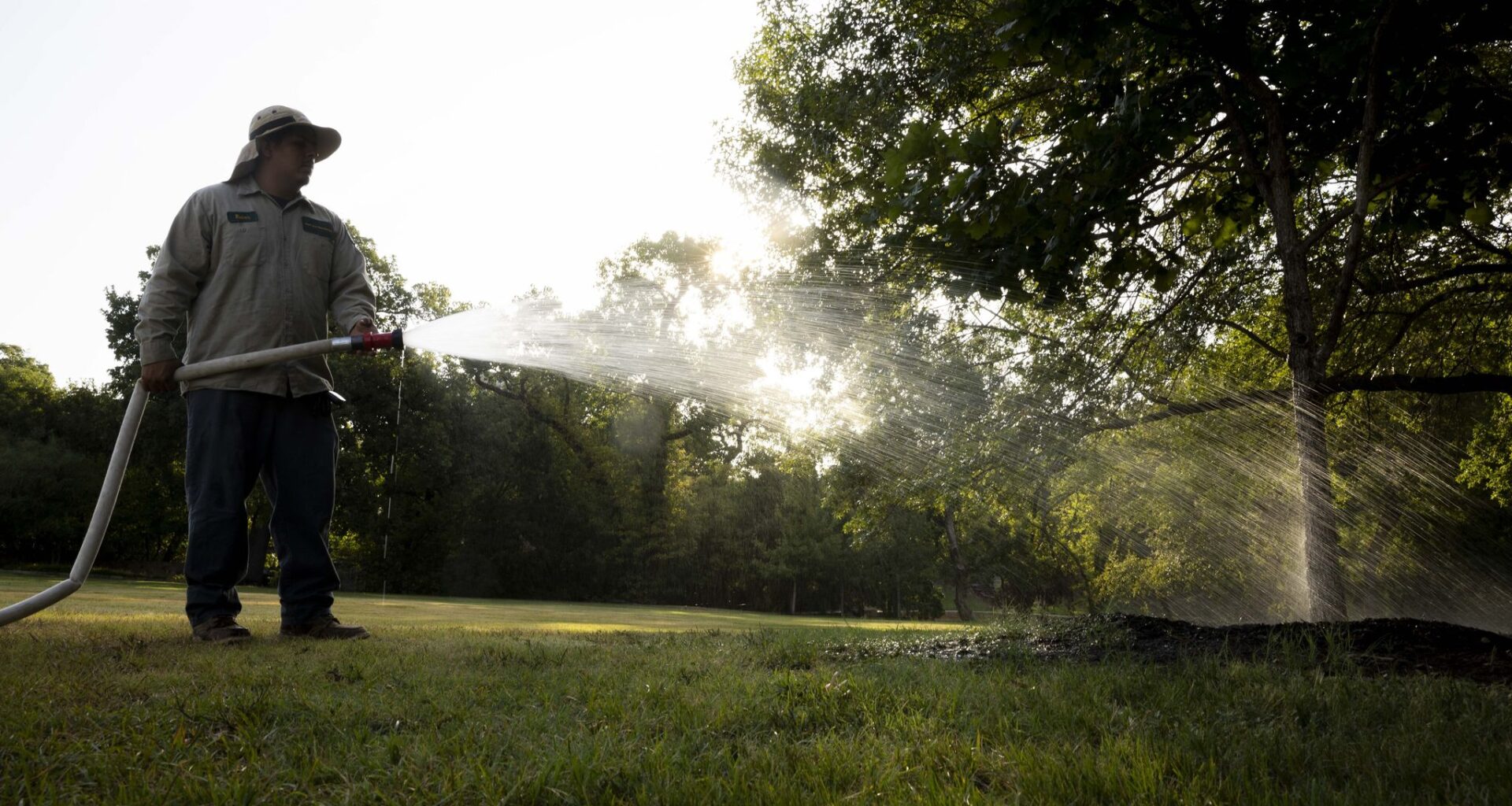
Among the options presented were closing four small community recreation centers, reducing mowing and park maintenance, shifting some security operations to private contractors and eliminating 20 vacant positions.
“We know it’s going to be financially challenging,” but “restructuring and getting innovative gives us our best chance to make sure we don’t go backwards in this park system,” Park and Recreation Director John Jenkins told board members.
City Manager Kimberly Bizor Tolbert has already ordered freezes on most hiring, travel and some other spending.
Board member JR Huerta said he would not support any recommendation that closes recreation centers, reduces maintenance or cuts positions. He said that would damage employee morale and erode public trust.
Fonya Mondell raised concerns about reducing summer camps and after-school programming. Grady McGahan urged the department to explore partnerships with police to offset security costs, warning neglected parks and fewer youth programs could create broader public safety problems.
“If we need to cut budgets across town, there’s an infinite number of better places to go cut budgets than parks,” Karimi said.
Jenkins stressed the proposal remains preliminary and said officials are still looking for ways to lessen the impact before the board votes and a final recommendation goes to Tolbert and the City Council.
He also said the department is exploring new revenue sources, including naming rights deals and fees for some after-school programs.
Jenkins plans to return to the board with a revised proposal that could include about $3 million in added revenue opportunities and another $2 million in reductions.
“But I cannot get to $14 million or $15 million without service level cuts,” Jenkins said. “I’m just telling you, it’s not possible.”