
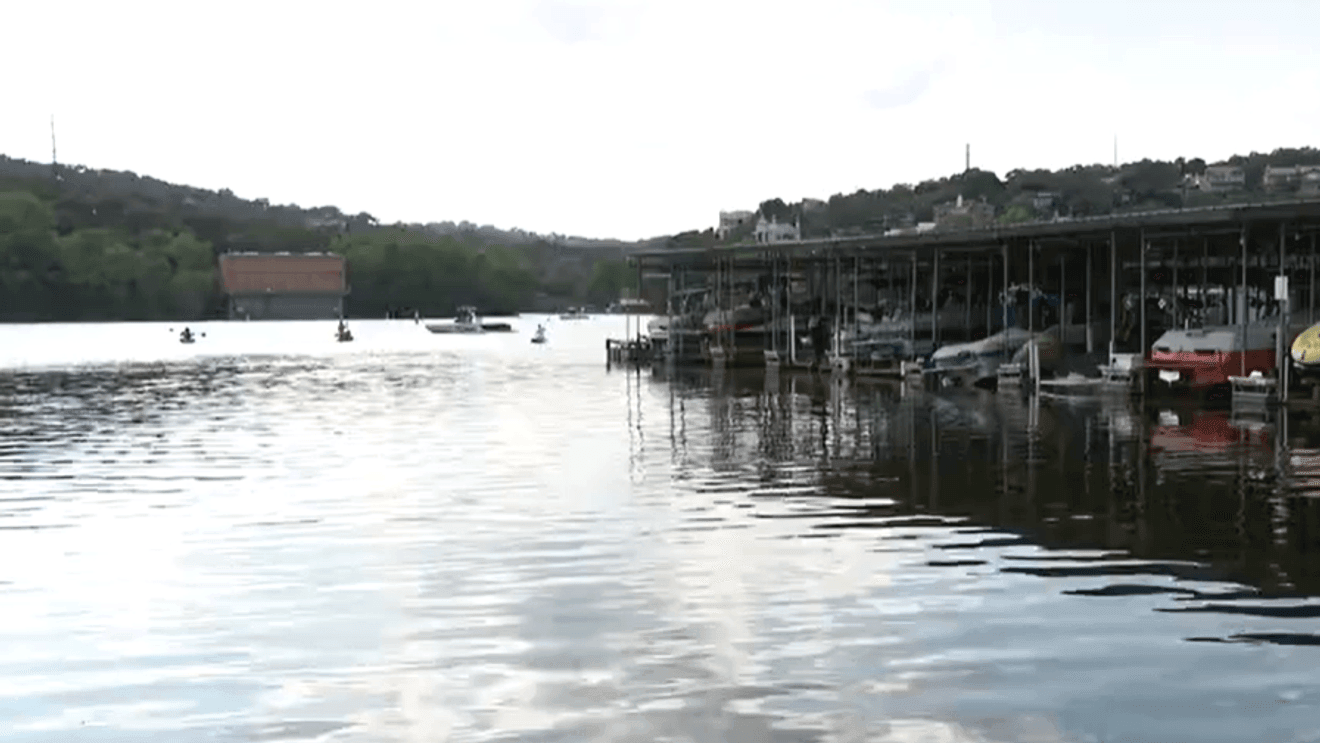
AUSTIN, Texas — Hydrilla, an invasive aquatic plant, is spreading across Lake Austin and could make swimming and boating more difficult as summer approaches, according to Austin Watershed Protection.
Austin Watershed Protection said hydrilla is covering almost 600 acres of the lake. When it grows long enough, the plant can make it harder to swim and can slow or obstruct boats.
“It’s basically covering the entire lake at this point,” said Jacob Ballin, operational manager at Lake Austin Calm.
Ballin said the plant has become a growing problem for some of the business’ watercraft.
“Honestly, it’s been really negative. Our paddleboarding of course is unaffected, but our donut boats, it does happen to get caught in our propellers,” Ballin said.
ALSO: Governor Abbott activates state emergency response resources ahead of severe storms
Austin Watershed Protection said hydrilla arrived in Austin 25 years ago and has continued to spread. A recent Texas Parks and Wildlife study found it was covering about 600 acres of Lake Austin as of mid-February.
Dr. Brent Bellinger, conservation program supervisor with Austin Watershed Protection, said hydrilla can irritate skin and create hazards for boaters near shore.
“If they try to go closer to shorelines, now there’s a chance of entanglement or your motor’s getting fouled up,” Bellinger said.
Bellinger said the city previously used sterile grass carp to reduce hydrilla, but the fish eventually ate all of the lake’s vegetation. He said much of the aquatic life has returned, and the city put nearly 3,000 more carp into the lake last summer as part of the effort to control the plant.
Bellinger said managing hydrilla with carp requires careful pacing.
“It’s trying not to approach it too quickly where then you accidentally go past it. But at the same time, we want to get some control of the hydrilla. So, it’s a tricky balancing act,” he said.
Bellinger said it could take more than 10 years for the carp to kill off the hydrilla. For this summer, he urged people to watch for the plant in the water and to wear a life jacket.