
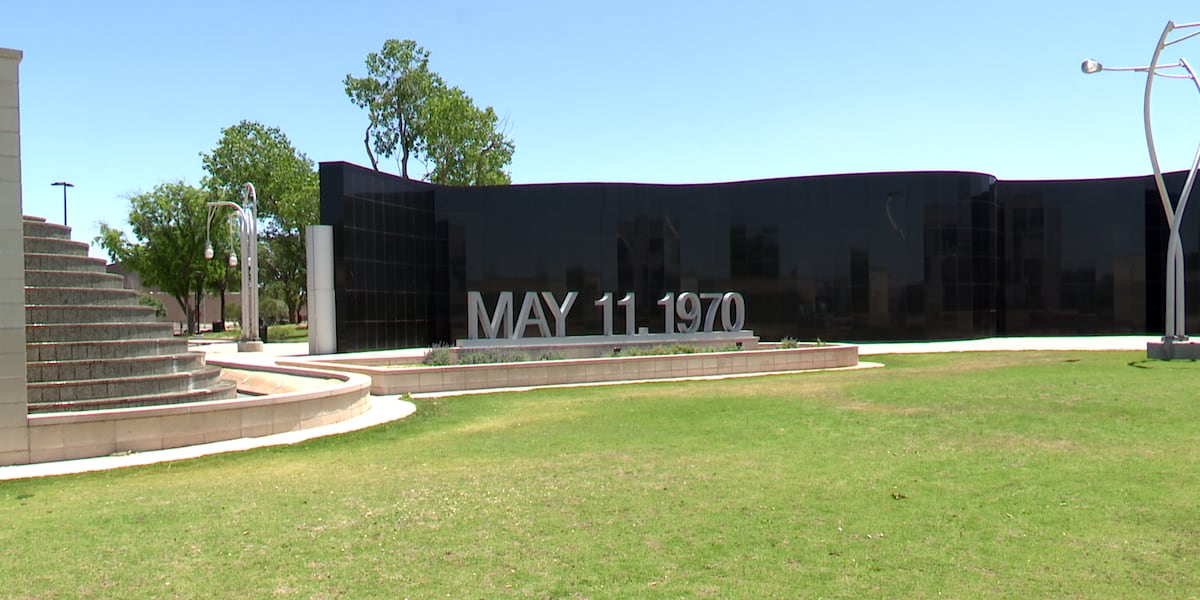
LUBBOCK, Texas (KCBD) – 56 years after the 1970 Lubbock tornado, the city has changed how it prepares for severe weather.
When the tornado struck Lubbock, city officials and the community did not have enough time to react, according to the city.
Joe Moudy, director of emergency management for the City of Lubbock, said the city has learned from the past.
“History is a great teacher, but we want to make sure that we learn and implement things from other jurisdictions so that we’re not facing the same problem when that occurs for us,” Moudy said.
Moudy said emergency management officials study disasters around the country and adapt local plans.
“The sirens operated in the Maui fires, how alert systems worked during the Palisade fires. We take a look at that information and we constantly adapt how we operate so that we’re operating with the best practices and best lessons learned,” Moudy said.
Since 1970, the city’s emergency management office has grown to five staff members. The city now uses drones to get live footage of developing storms and damage.
“Since 1970, our office has grown to five staff members. The biggest changes that we’ve seen technology-wise, of course, now we have drone footage where we can get live action shots from any storms that are developing,” Moudy said.
In 1970, meteorologists had limited information for viewers. Steve Divine, lead forecaster, said meteorologists now build detailed local forecasts and push warnings on TV, online and on phones.
“So back in 1970, you may have gotten one piece of information, which was a forecast that would have been issued from the National Weather Service. And you’d have a piece of paper and you’d build your forecast off of that, basically just passing along that information, that forecast from the Weather Service,” Divine said. “Today, because of our access to all the models and all the graphics, we actually build our own forecast. And of course, we have graphics computers that allow us to show you the weather that we’re expecting to come up in much more detail than ever before.”
Moudy and Divine said technology only goes so far if families do not have a plan before the next warning.
“The first thing is to know what the dangers and the hazards are around your home, your work, knowing where those safe places are that you can shelter or take some sort of precautionary measures to protect yourself and your family,” Moudy said.
Copyright 2026 KCBD. All rights reserved.