
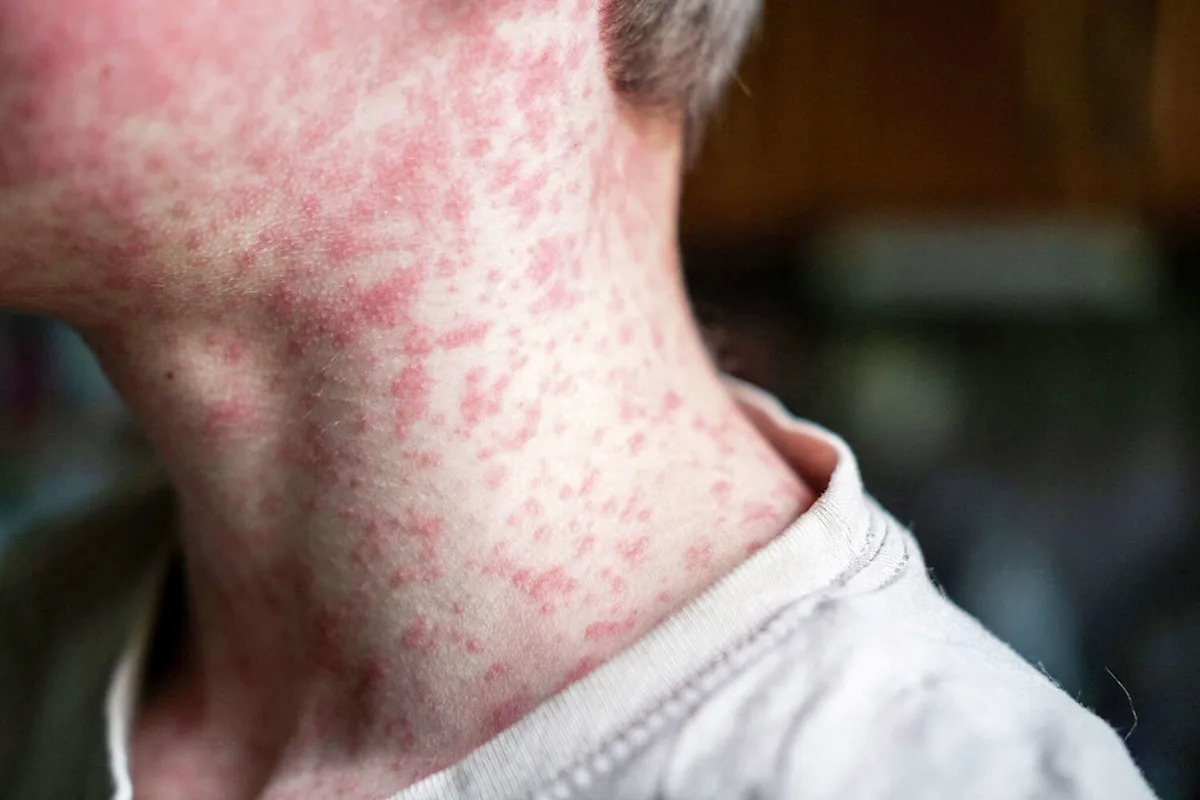
Texas’ capital area is navigating its first reported case of measles since 2025 after an unvaccinated resident contracted the viral respiratory disease while overseas.
Austin Public Health confirmed late last week that an unvaccinated man, later determined to have the disease, visited St. David’s Emergency Medical Center on Monday, May 4, while they were still infectious and symptomatic. Austin Public Health added that people who have been in close contact with the infected patient are in the process of being contacted.
“Measles has returned to our community, posing a serious threat to anyone unvaccinated, especially young children, pregnant women and anyone who is immunocompromised,” said Austin-Travis County Health Authority Dr. Desmar Walkes in a news release. “If you haven’t gotten vaccinated already, now is the time. Measles is more than just a rash; it can put you in the hospital and can even be deadly.”
The confirmation of a measles case in Central Texas comes as two Texas residents were linked to a cruise ship where a hantavirus outbreak occurred, per the World Health Organization. Hantavirus is an infectious disease that is spread to humans by rodents and can cause death in some cases, according to the Texas Department of State Health Services.
How is measles contracted?
Measles is an extremely contagious disease that is spread in the air after an infected person coughs or sneezes, with it having the ability to remain in the air and on surfaces for two hours. Breathing that contaminated air or touching surfaces before then touching their eyes, nose or mouth makes them susceptible to becoming infected.
“If one person has it, up to nine out of 10 people nearby will become infected if they are not protected,” Austin Public Health officials noted.
What are the symptoms of measles?
Measles symptoms typically appear within seven to 14 days after coming into contact with it. Common side effects include fever, cough, rash, red and watery eyes, a runny nose and the appearance of small white spots inside an infected person’s mouth and throat. Measles’ risk is especially heightened in children under age five, with pneumonia and encephalitis two more intensive side effects. Young children, pregnant people and those who are immunocompromised are all at elevated risk.
How to protect yourself against measles
The measles, pumps and rubella (MMR) vaccine is the best way for people to protect themselves against contracting measles. Two doses of the MMR vaccine offer complete protection against the disease, with the vaccine available at both doctors’ offices and pharmacies. Austin Public Health also operates Shots for Tots and Big Shots clinics, which provide the vaccine.
This article originally published at A respiratory virus has been detected in a Texas county amid hantavirus concerns.