
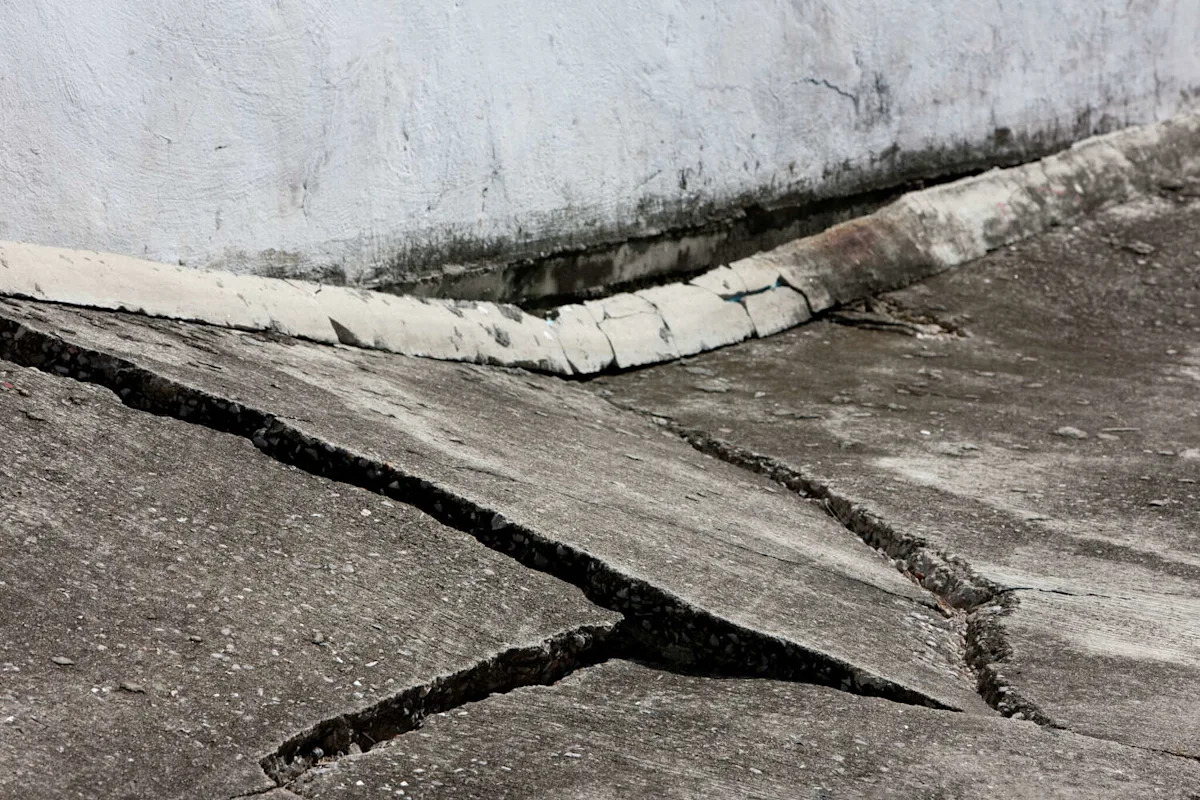
One of Houston’s fastest-growing suburbs is facing a quieter-and potentially more troubling-transformation beneath the surface.
Katy-located west of Houston and long-ranked among the state’s fastest-expanding communities-is sinking faster than any other suburb in the Houston area, according to a recent report from the Houston-Galveston Subsidence District.
Over roughly the last two decades, Katy has sunk approximately 14 inches, according to the report.
Between 2021 and 2025, the Houston-Galveston Subsidence District recorded an average annual subsidence rate of about one inch in Katy. The organization defines subsidence as the sinking of the Earth’s surface due to subsurface movement.
“There is still ongoing subsidence, particularly in western Harris County in the Katy and Fulshear areas, with some rates showing over two centimeters per year,” Ashley Greuter, the district’s director of research and water conservation, said during a presentation of the report in late April.
Greuter added that other northern portions of Harris County also face similar rates, including parts of Tomball and Spring.
What’s causing Katy to sink?
Significant groundwater usage in western Harris County is contributing to the area’s subsidence.
The district identified rates of groundwater usage in three defined areas. In Regulatory Area 3, which represents the northern and western portions of Harris County, officials said groundwater usage is higher than in any other part of Houston.
“The total groundwater withdrawal for this area is almost 200 million gallons per day,” Greuter said. “The dominant water use type is public supply.”
Regulatory Area 3 accounts for nearly 80 percent of groundwater withdrawal across all three regulatory areas in 2025.
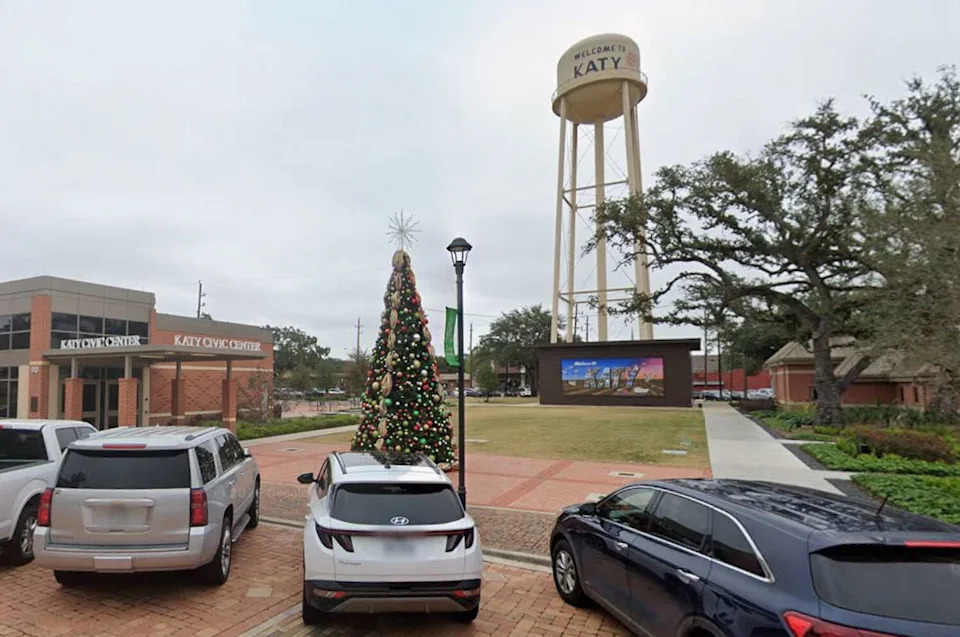
A new report finds that Katy has sunk about 14 inches since 2007. Officials cite groundwater withdrawal as a major contributor to the subsidence. (Google Maps Street View)
“This area consumes significantly more groundwater than the other ground regulatory areas as it’s still undergoing conversion to alternative water sources,” Greuter said.
Houston sinking faster than any other major metro
The concerns stretch well beyond Katy.
A study from the Columbia Climate School in May of last year found that Houston was sinking faster than any other major city in the United States. More than 40 percent of Houston is sinking at more than five millimeters per year and about 12 percent is sinking twice as fast.
Experts cite groundwater extraction-both for agriculture and the public water supply-and the city’s booming oil and gas industry (and subsequent oil extraction) as major contributors.
The conversation about Houston’s sinking ground isn’t new-it’s been unfolding for years, backed by multiple studies warning of gradual subsidence across the region.
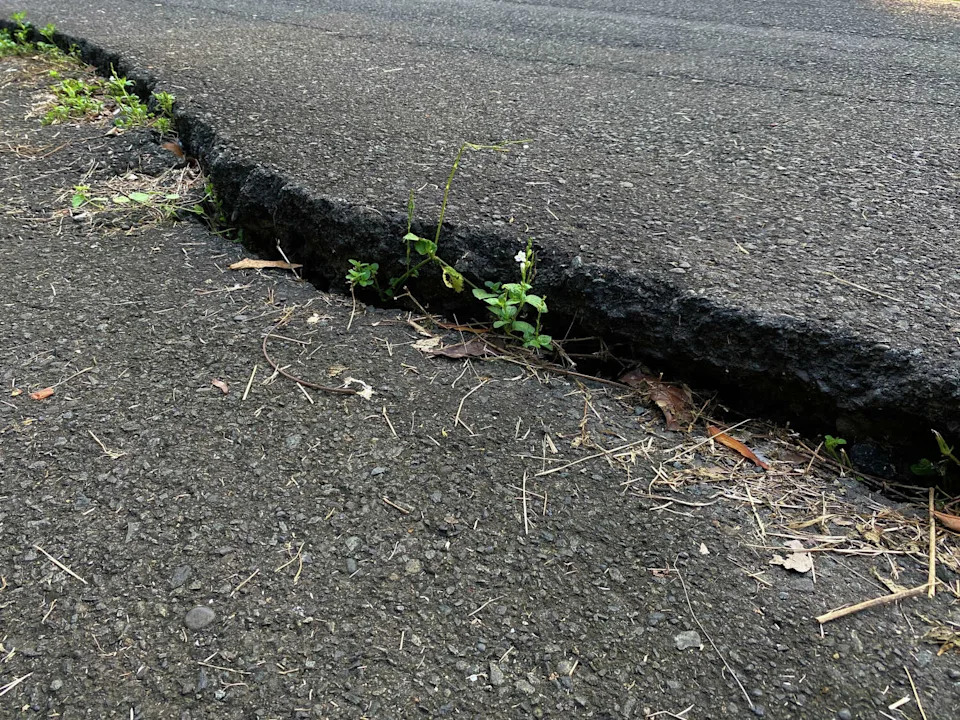
A new report finds that Katy has sunk about 14 inches since 2007. Officials cite groundwater withdrawal as a major contributor to the subsidence. (Yessi Pravita/Getty Images)
In 2021, Texas A&M University examined a report about the sinking of Houston and the Texas Gulf Coast, pointing to urban expansion and long-term groundwater pumping as key drivers.
But, scientists note that Houston also isn’t fully an outlier. Nearly every major city in the United States is experiencing some degree of subsidence.
RELATED: Houston is sinking-faster than any other big city in America, new study finds
Efforts to slow the sinking
The Houston-Galveston Subsidence District said groundwater usage in Houston is declining overall.
As part of the April presentation, Greuter said groundwater withdrawal across Houston has declined 50 percent since 1976 despite rapid population growth.
The district has developed a science and research plan extending through 2027, focused on groundwater regulation and subsidence monitoring in Texas.
The district points to alternative water sources, like surface and reclaimed water.
“We also have a future conversion in 2035 that will reduce that for the Groundwater Reduction Plan permittees to no more than 20 percent groundwater of their total water demand,” Greuter said, discussing groundwater reduction strategies in Regulatory Area 3 where consumption remains the highest.
More News
New Look | Historic Houston properties set for walkable retail, dining makeover
Crime | Houston police lieutenant arrested in online solicitation case
Caution | Texas’ frightening Rainbow Bridge reopens to traffic
Transitions | Shern-Min Chow left KHOU. Here’s what she’s doing now
For the latest and best from Chron, sign up for our daily newsletter here.
This article originally published at Report: Houston-area suburb is sinking faster than the rest.