
TEXAS — Over the past two weeks, families across Texas have been finding out if they were selected for the state’s first-ever school voucher program.
Over 270,000 people applied, and the state budgeted for around 100,000 students.
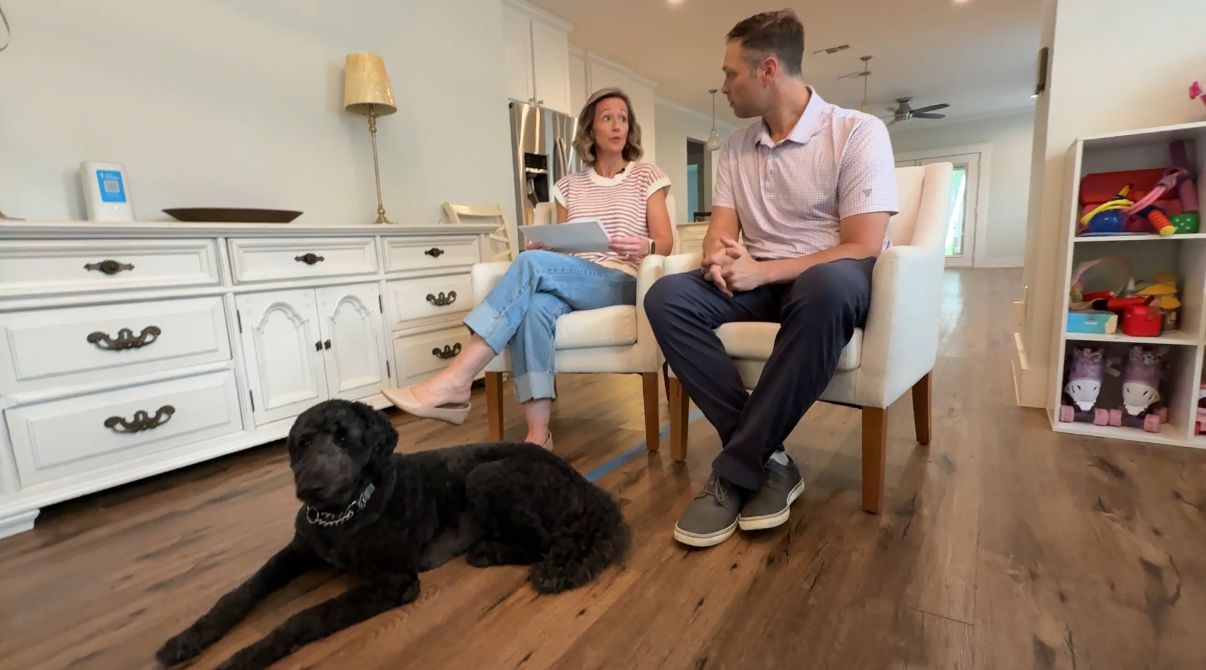
Amy Shaughnessy and her husband, Ryan Shaugnessy, had high hopes for being selected to receive money from the Texas Education Freedom Accounts program.
When Spectrum News first met the Dallas couple, they were navigating Texas’ new law, which provides up to $10,000 toward private schooling and up to $30,000 toward special education, with priority given to students with disabilities.
The Shaughnessys have three girls. Two of them are on the autism spectrum.
“For being 9, they have a severe disability,” said Amy.
But when the final notices came out last week, 96,000 families were selected to participate in the program. The Shaughnessys were not among them.
“I feel they didn’t take the category of them being disabled into consideration,” said Amy.
The state divided applicants into tiers, with Tier 1 being the highest need.
“They placed us in priority five, which is the very last priority,” said Amy. “Which was surprising, I guess you could say, and we were a little in shock, to be honest with you.”
Spectrum News 1 pulled the data from the Texas Comptroller’s Office. Here’s what we found.
The state granted funding to more than 42,000 kids and their siblings in Tier 1. Approximately 63% of that tier noted a disability. The remaining 37% are siblings of students with disabilities. About 53% said they had previously attended a public school.
According to the data, the racial demographics of Tier 1 were:
42% white
25% Hispanic
16% Black
12% multiracial
4% Asian/Pacific Islander
1% American Indian/Alaskan Native
Approximately 51% of the students come from households that make at or below 200% of the federal poverty level, or $66,000 a year. The remaining half have families making at or between 200% to 500% of the federal poverty level.
“The Legislature made low- and middle-income students with disabilities the first priority for the first year of school choice here in Texas, and that is exactly where this process starts,” said Acting Comptroller Kelly Hancock. “These awards put tens of thousands of Texas families one step closer to the educational path that works best for their children.”
Then came Tier 2. More than 51,000 students were selected via a lottery system.
Nearly 70% went to private or homeschool prior to applying.
According to the data, the racial demographics of Tier 2 were:
36% white
28% Hispanic
17% Black
12% multiracial
7% Asian/Pacific Islander
1% American Indian/Alaskan Native
Tier 2 students come from households making at or below 200% of the federal poverty level. Data was not provided on disability status.
Meanwhile, the Shaughnessys say they’ll appeal the decision.
“I’m happy for the families who got it,” said Amy. “I’m hopeful, and I can’t wait to hear how they benefit from this funding and endless opportunities that their kids will have. But I do hope that whoever is looking at how these people qualify, not necessarily for our family, but for other families who are in similar situations, that they take an appropriate look at the families and the individual needs.”
The Shaughnessys say if their appeal fails, they’re looking at spending $75,000 a year to send their kids to a school that can help with their special needs.
“There isn’t an alternate plan. We are going to eat the costs because it’s what’s best for our kids,” said Amy.
The Shaughnessys said they thought they were placed in last priority because of finances, but some of their friends who also applied and make more were selected.
Families chosen will have until July 15 to select their private school or homeschool. Parents, like the Shaughnessys, can appeal the decision 30 days from receiving their notice.