
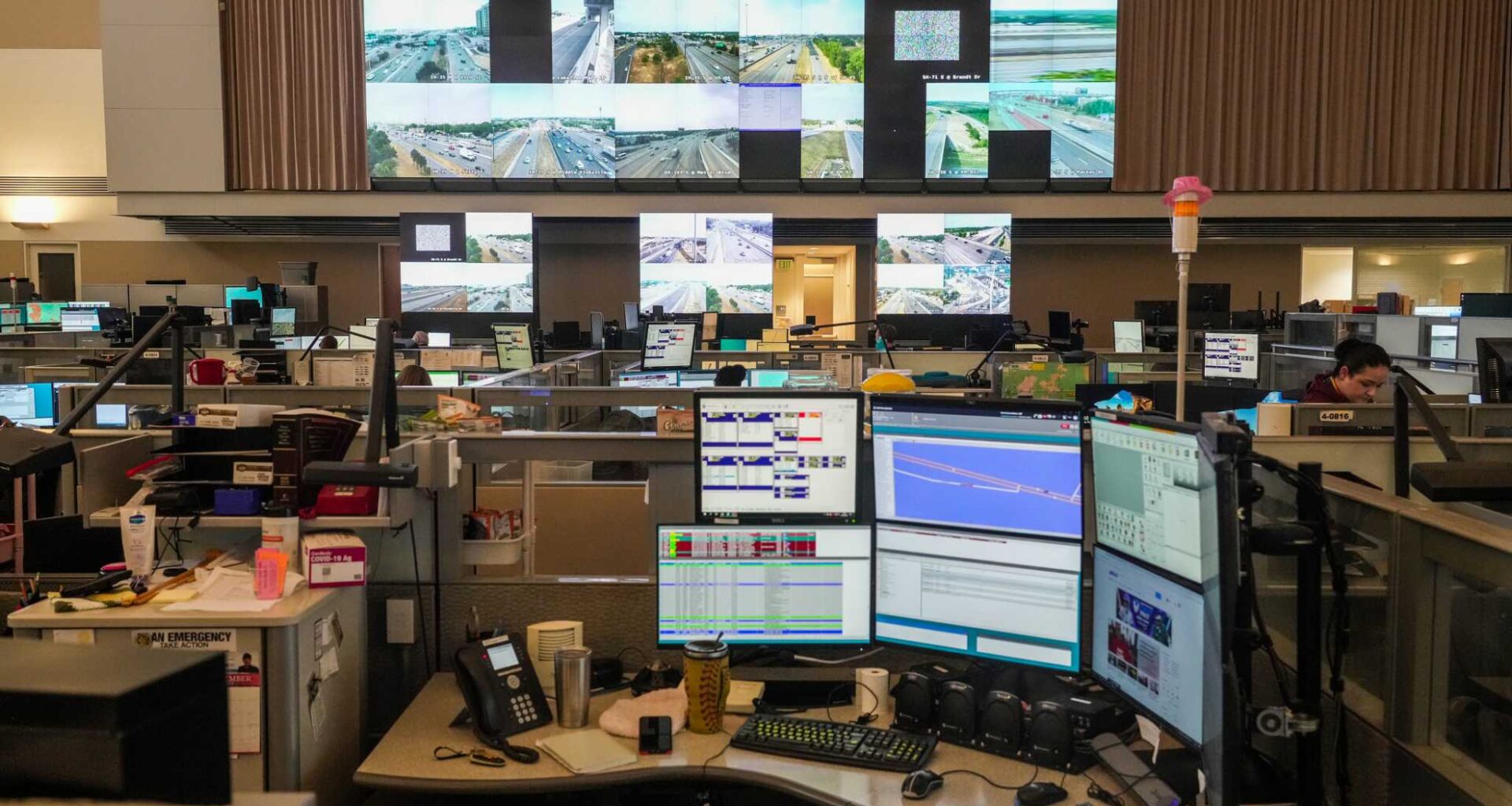
Austin City Council members pressed public safety officials Tuesday for answers on why the city is months behind on a plan to consolidate emergency communications, warning that the delays leave residents in some parts of the city with less reliable 911 services.
At a special-called meeting of the City Council’s Public Safety Committee, officials provided an update on the city’s progress on an initiative to integrate 911 call-taking and dispatch functions into one centralized department, but Krista Laine and other council members balked at the lack of progress on a project ordered in August.
Laine, who introduced the original resolution calling for the consolidated emergency communications center, said Tuesday’s presentation was delivered months late and fell far short of what City Council requested.
“We are six months past the deadline for the strategic plan and cost estimates,” Laine said. “It is quite concerning that we don’t even have a road map to getting there.”
Currently, when someone calls 911 in Austin they first speak with a civilian employee of the Austin Police Department. Depending on the nature of the emergency, the call taker transfers the caller to a dispatcher who determines what kind of response is needed. The Austin Fire Department and Austin-Travis County Emergency Medical Services, by contrast, use sworn firefighters and paramedics in those roles.
A 2021 study of the city’s emergency communications system identified inefficiencies in the city’s emergency communications system, including increased costs tied to EMS and the Fire Department operating separate dispatch centers. The report’s authors found that the arrangement also created communication challenges between the agencies, because they tended to operate in silos.
Council members hope a centralized department overseeing emergency communications for all three public safety agencies would reduce costs by consolidating dispatch functions and improve response times to better coordinate emergency response efforts.
Laine said she hoped to receive an update from staff on the feasibility of the consolidation, a cost analysis and an implementation timeline before City Council adopts next year’s budget in August. Without that information, she said, council members cannot advocate for the funding needed to address problems identified in the city’s 911 call-taking system.
Council member Mike Siegel also questioned whether the city would receive recommendations in time to act during the upcoming budget process.
Assistant City Manager Ramón Batista acknowledged council members’ frustrations and said he would provide more information after speaking with the consultant hired to study the project. He said the consultant is still gathering data and analyzing the proposal, which is complicated by state law and local labor agreements that dictate what kinds of city employees can answer 911 calls.
Batista said the initiative could prove expensive, because it would require creating an entirely new department. He said he was uncertain the initiative would be ready for council to fund in next year’s budget.
But Laine made clear she does not want to wait another year.
“The need to establish a Joint Emergency Communications department is clear, especially in the parts of our city where Austin is not meeting our 911 response time goals,” Laine said after the meeting. “Our residents cannot wait for another budget cycle.”