
A new state university campus is a lasting, multipurpose civic gift. It boosts the surrounding community’s prestige and economy. It attracts young adults who may stay in the area to work and raise families. It can enrich the cultural life of the community and uplift educational expectations.
But demographic trends and abrupt shifts in public policy are reshaping K-12 and higher education in Texas. The pace of that change makes it increasingly difficult to plan for future facilities at all grade levels. The benefits of — and need for — new physical campuses feel less certain now.
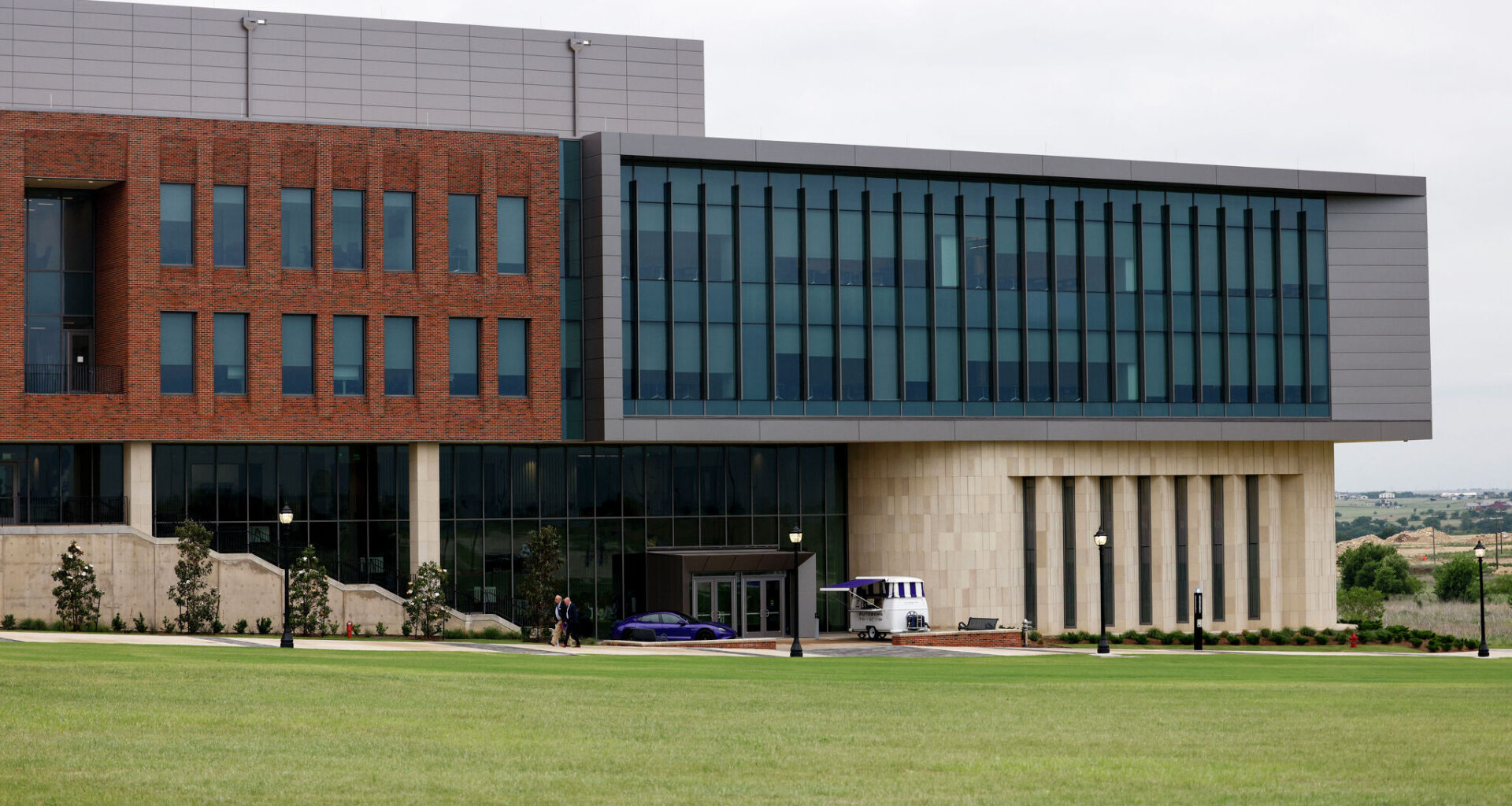
That reality tempers our enthusiasm for Tarleton State University’s updated master plan for an 80-acre campus in Fort Worth. A member of the Texas A&M University System, Tarleton State expects its location along Chisholm Trail Parkway to grow from two buildings to 17, including four residential towers. The student population would quadruple from about 2,600 now to more than 10,000 in the coming decade.
Tarleton State’s plan arrived at an awkward time. A few months ago, the University of North Texas and the University of Texas at Arlington each announced they were facing significant budget deficits. Together, these two institutions serve about 86,000 undergraduate and graduate students.
Their unhappy financial situations can be blamed partly on rapidly changing visa policies and anti-immigrant rhetoric, which have made the United States less attractive to foreign students. UNT saw a 45% drop in international graduate student enrollment. At UTA, freshman enrollment rose by 7.6% last fall compared to the year before, but the number of international graduate students declined 30%. Those foreign students typically pay higher tuition, helping public universities balance their budgets.
Texas also ended in-state tuition for undocumented students, which may have forced some students to drop out or switch to inexpensive community colleges. UTA and UNT responded to the budget challenges by culling degree programs and offering buyouts to some faculty, painful but necessary measures.
There’s another looming problem, though. The pipeline of traditional college students is shrinking. Many once-booming suburban school districts, including Frisco, Coppell, Grapevine-Colleyville and Plano, as well as older districts such as Fort Worth, have voted to close schools. Lt. Gov. Dan Patrick even included an item about the state’s declining school-age population in his interim charges to legislative committees.
A new university campus is still a prize not a burden, and many future jobs will require some sort of education or training beyond high school. But higher education in Texas may be nearing the end of its expansionist era. Tarleton State’s leaders plan to tailor its Fort Worth offerings to local employment needs, which is smart but not enough to guarantee success. This is a time to slow growth plans to reflect demographic realities. We’d hate to see state universities be forced to close campuses the way public school districts have had to close schools.
Have thoughts about this? Send a letter to the editor using our letters form or email letters@dallasnews.com. Letters should be no more than 200 words and include the first and last name of the writer and city of residence.