
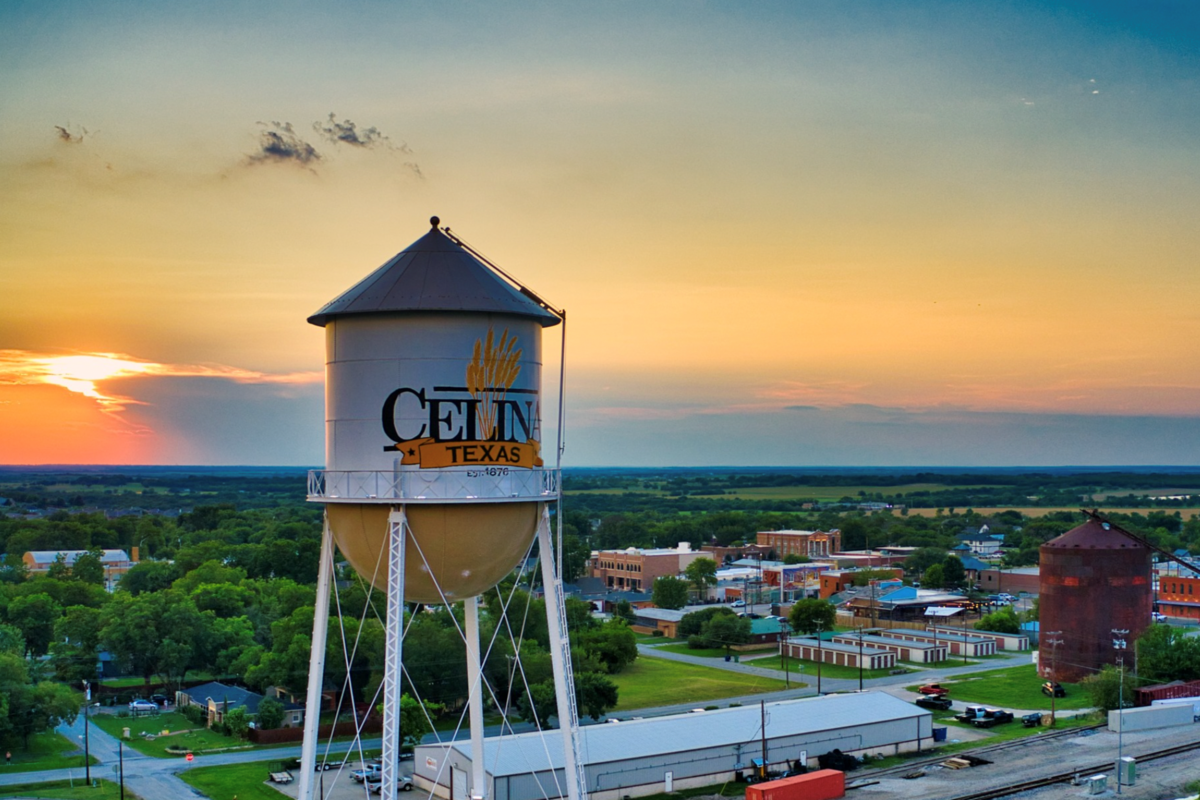
North Texas suburbs are continuing to grow at a pace few places in the country can match. New U.S. Census data tracking population changes between July 2024 and July 2025 shows that four of the five fastest-growing cities in America are located in North Texas, cementing Collin County’s place at the center of the state’s population boom.
Leading the nation once again is Celina, which posted a staggering 24.6% growth rate in just one year.
Celina Keeps Leading The Country
Rapid growth has become familiar territory for Celina. The city also ranked as the nation’s fastest-growing city in 2023, and the newest figures show little sign of slowing down.
According to U.S. Census data, between mid-2024 and mid-2025, Celina added more than 12,700 new residents, fueled by continued housing development, corporate growth across North Texas and demand for suburban communities farther north of Dallas.
The city’s rise is just one part of the changes happening throughout Collin County, where former sleepy towns are transforming into major population centers almost overnight.
Collin County Fills The National Rankings
Beyond Celina, several neighboring cities also landed near the top of the national growth list. Princeton ranked third, Melissa placed fourth and Anna came in fifth among the country’s fastest-growing cities with populations above 20,000.
Meanwhile, McKinney ranked tenth among the nation’s leaders in total numeric growth, adding more than 8,500 residents during the same period.
The broader county numbers are just as striking. Previously released Census estimates showed Collin County added nearly 43,000 residents between July 2024 and July 2025, bringing the county’s population close to 1.3 million.
Long-term projections suggest Collin County’s transformation is far from complete. Estimates indicate the county could more than double its population from 2020 levels and reach more than 2.2 million residents by 2060 if current trends continue
Growth Comes With Growing Pains
The pace of expansion has also intensified pressure on infrastructure, schools and city services.
In Princeton, local officials previously responded by approving a residential development moratorium in an effort to slow growth and allow utilities, roads and emergency services time to catch up.
What began as a temporary pause stretched for months before state lawmakers effectively limited the practice through House Bill 2559, which now places stricter limits on how Texas cities can issue development moratoriums.
As new residents continue pouring into Collin County, city leaders across North Texas are increasingly balancing two realities at once: unprecedented economic opportunity and the challenge of keeping communities functional while populations surge.
Don’t miss anything Local. Sign up for our free newsletter.