
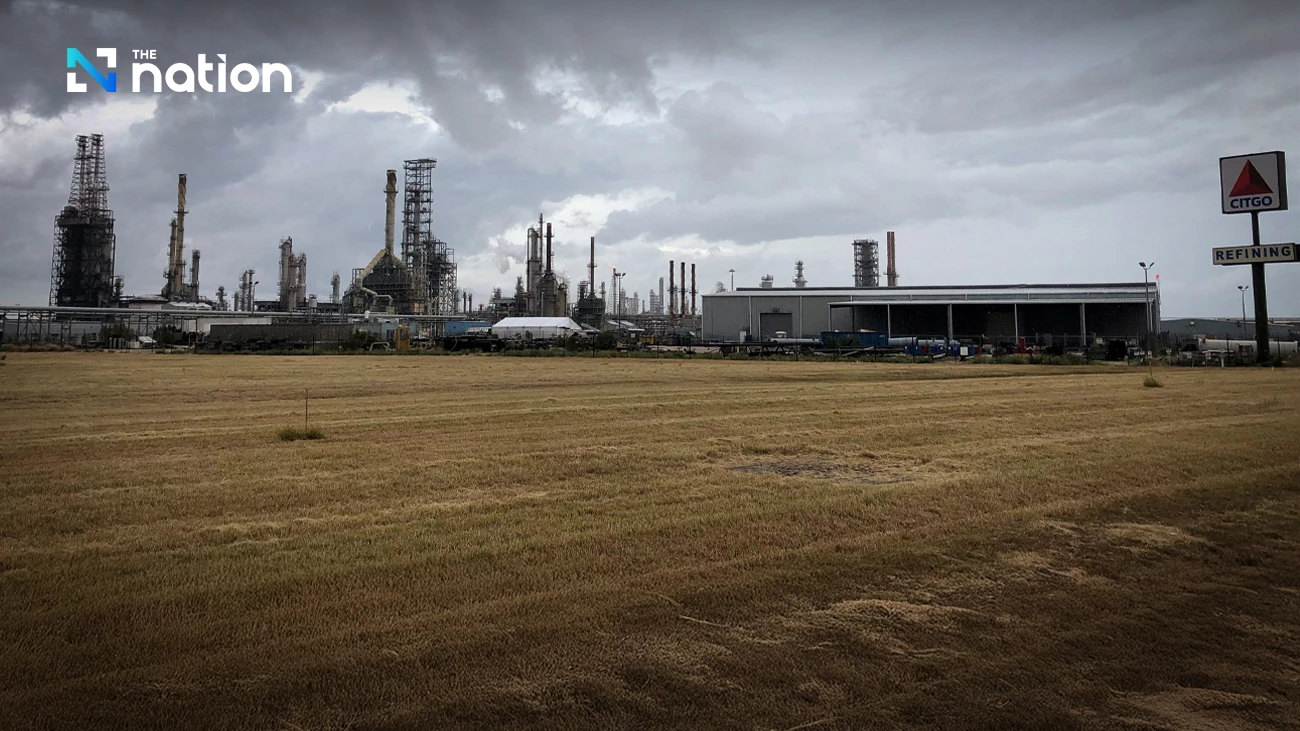
If multinational industrial operators are required to reduce water use by 25%, some production lines could be partially or fully shut down. Industry representatives have warned that without a stable water source, long-term competitiveness will become difficult, while shutdowns could lead to job losses and broader economic damage.
The crisis matters beyond the city because Corpus Christi is a key US energy and petrochemical hub. Water scarcity could affect fuel, plastics and manufacturing supply chains if industrial operations are disrupted.
Race for emergency water sources
To address the immediate threat, the city has accelerated groundwater drilling under emergency orders from the Texas state government. Hospitals and educational institutions have also sought permits to drill their own wells to ensure water for surgeries and essential operations.
Corpus Christi had earlier proposed a desalination project to turn seawater into drinking water as a long-term solution, but the plan was cancelled after its estimated cost exceeded US$1.2 billion. The idea is now back in discussion, with several private companies proposing new projects.
One proposal comes from AXE H2O, which wants to build a US$1.3 billion desalination plant using natural gas instead of electricity to reduce operating costs. The Texas Tribune reported that the company has projected a project cost of about US$1.3 billion, though some city council members have asked for more detailed information.
Political and environmental disputes
The longer the city takes to settle on a solution, the more political tensions are rising. Texas Governor Greg Abbott has criticised city leaders over the slow response and warned that the state may have to intervene in the city’s water management if the situation does not improve.
There are also environmental concerns over desalination, particularly the discharge of highly salty brine into Corpus Christi Bay, which could harm the local ecosystem. New proposals have tried to reduce local opposition by suggesting that brine be discharged farther offshore into the Gulf of Mexico instead.
If rain does not refill the reservoirs, Corpus Christi could face even more severe measures, including rotating water supply by zone. In a worst-case scenario, the city may even have to consider moving residents out of the area temporarily.
A warning for water-stressed regions
The Corpus Christi crisis is a warning for fast-growing industrial areas that depend heavily on water while climate change makes rainfall patterns less reliable. It also shows how water security can quickly become an economic, social and political risk when drought collides with industrial growth.
Thailand is facing similar concerns over water security as El Niño risks rise. Earlier assessments warned that the country could face a “dual water crisis” in 2026, with possible water shortages in many areas and pressure on both household and industrial supplies. The Provincial Waterworks Authority has been monitoring 20 branches at risk of shortages, while drought-response plans are being accelerated nationwide.
The risk is especially relevant to Thailand’s Eastern Economic Corridor, where rising industrial investment and population growth could increase pressure on water supplies if drought and extreme heat intensify. Previous warnings have pointed to the need for stronger water management, storage planning and climate adaptation to protect both communities and strategic industries.