
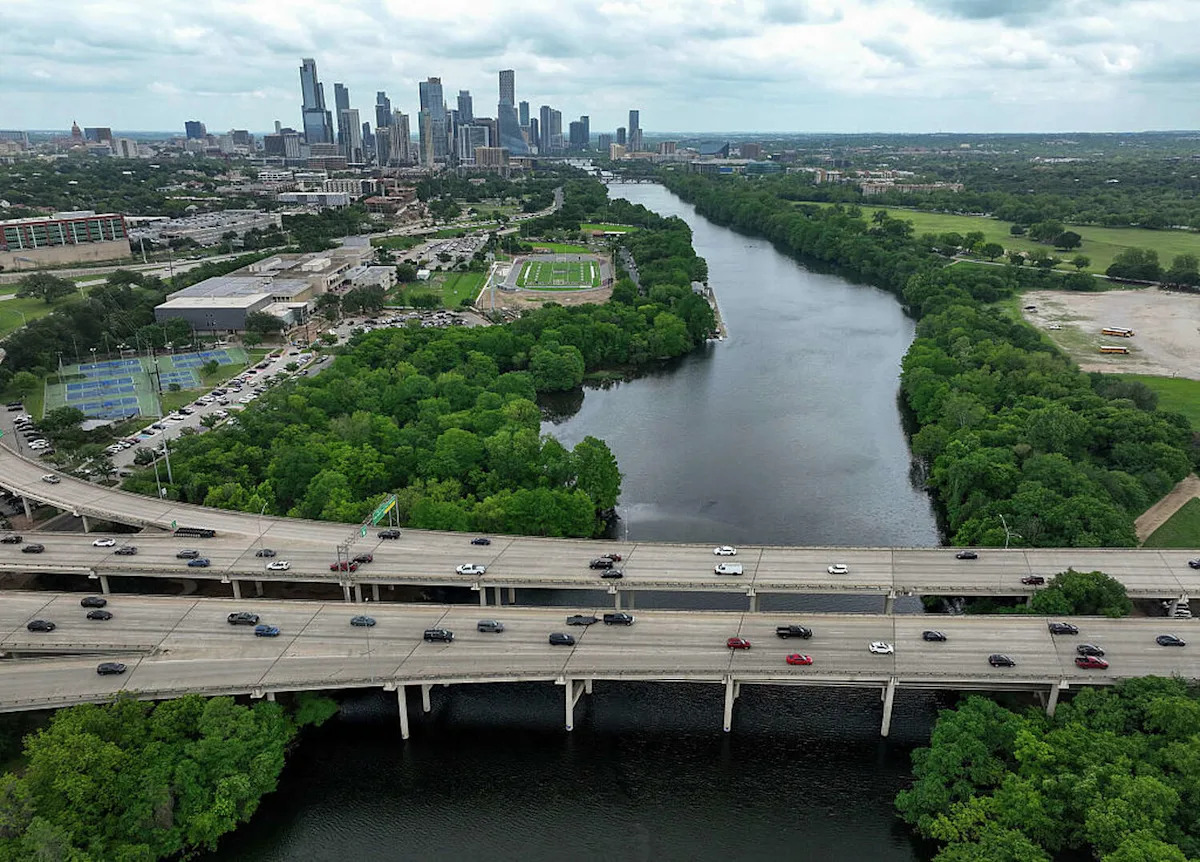
A major Central Texas city is catching up to San Antonio in population. Austin recently reached a new milestone, surpassing more than 1 million residents for the first time in the city’s history.
New data from the U.S. Census Bureau shows that Austin’s population hit the seven-figure mark in 2025 with 1,002,632 residents, according to a city news release. This steady growth of Austin over the past few years has now made it the 12th most populous city in the United States.
“This is a historic moment for Austin, and one that my predecessor Edwin Waller probably didn’t even think about when he surveyed the site that would eventually become our beloved city back in 1839,” said Mayor Kirk Watson. “There’s no denying now that Austin is a big city, and we have big challenges. But we also still have small town heart, and that’s part of what makes it the best place in the country to raise a family or to seek out new opportunities.”
Austin saw a 4,025 increase in residents since July 1, 2024, which represents a 0.4% year-over-year-growth. To put that into perspective, San Antonio is home to nearly 1.5 million residents, according to July 2025 U.S. Census data. While Austin is still not quite as big as San Antonio population-wise, this new million-resident milestone puts the Texas capital not too far behind the Alamo City.
The federal designation also comes as Census Bureau data in March revealed that while population growth slowed regionally, the drop did not impact Austin as much as other U.S. cities. Austin officials say the city’s growth has been driven by migration from elsewhere in Texas and the rest of the country.
What keeps people moving to Austin, Texas
City Demographer Lila Valencia says that Austin’s job growth has outperformed expectations and that housing costs have fallen from pandemic-era peaks. These two factors are what she believes have helped keep Austinites in the city while drawing in new residents from around the state, country, and world.
“Crossing the threshold of one million residents is an exciting milestone that underscores Austin’s role as the region’s principal city, but it’s not surprising,” Valencia said. “The latest estimates from the Census Bureau bear out what we have been seeing in our internal estimates since 2020.”
The City says that the new census population data will help determine how the federal government will distribute billions of dollars in grants and program funding for social services, community development and the construction of public infrastructure.
New data shows housing growth in Texas
In addition to population estimates, the Census Bureau’s release indicated that Travis County, which is within Austin’s city limits, had the seventh greatest increase in housing stock among counties nationwide. Between July 2024 and July 2025, Travis County added 16,197 housing units, growing at a rate of 2.4%, according to the city. At the same time, counties in the Austin metro added a total of 31,897 housing units in Travis County and the surrounding areas of Williamson County, Hays County, Bastrop and Caldwell County.
This newly released data will be crucial in determining how the federal government distributes billions of dollars in grants and program funding for social services, community development, and the construction of schools, roads, and hospitals. It also played a significant role in redrawing boundaries for representative districts for the U.S. Congress, Texas Legislature, and Austin City Council. In June, the U.S. Census Bureau is expected to release more detailed population data estimates, including the age, sex and race/ethnicity for states and counties.
This article originally published at Rival Texas city narrows gap with San Antonio after major population milestone.