
Forget what you think you know about omakase experiences. An intimate new 25-seat restaurant, Kappo Kappo, has a fresh take on the approach that adds layers of depth to this popular style of dining.
The restaurant is run by twin brothers, Haru and Gohei Kishi, Japanese chefs who grew up in Paris. Over the course of their careers, they’ve worked alongside gustatory masters like Joël Robuchon and Gordon Ramsay. And their resumes includes stints at top restaurants in Tokyo, Versailles, London, and Los Angeles. But before all that, they got their start working in their parents’ Japanese restaurant in Paris, where the brothers learned about fare traditional to their ancestral culture while being immersed in French society. That personal history informs Kappo Kappo through a culinary experience that elegantly combines those two worlds.
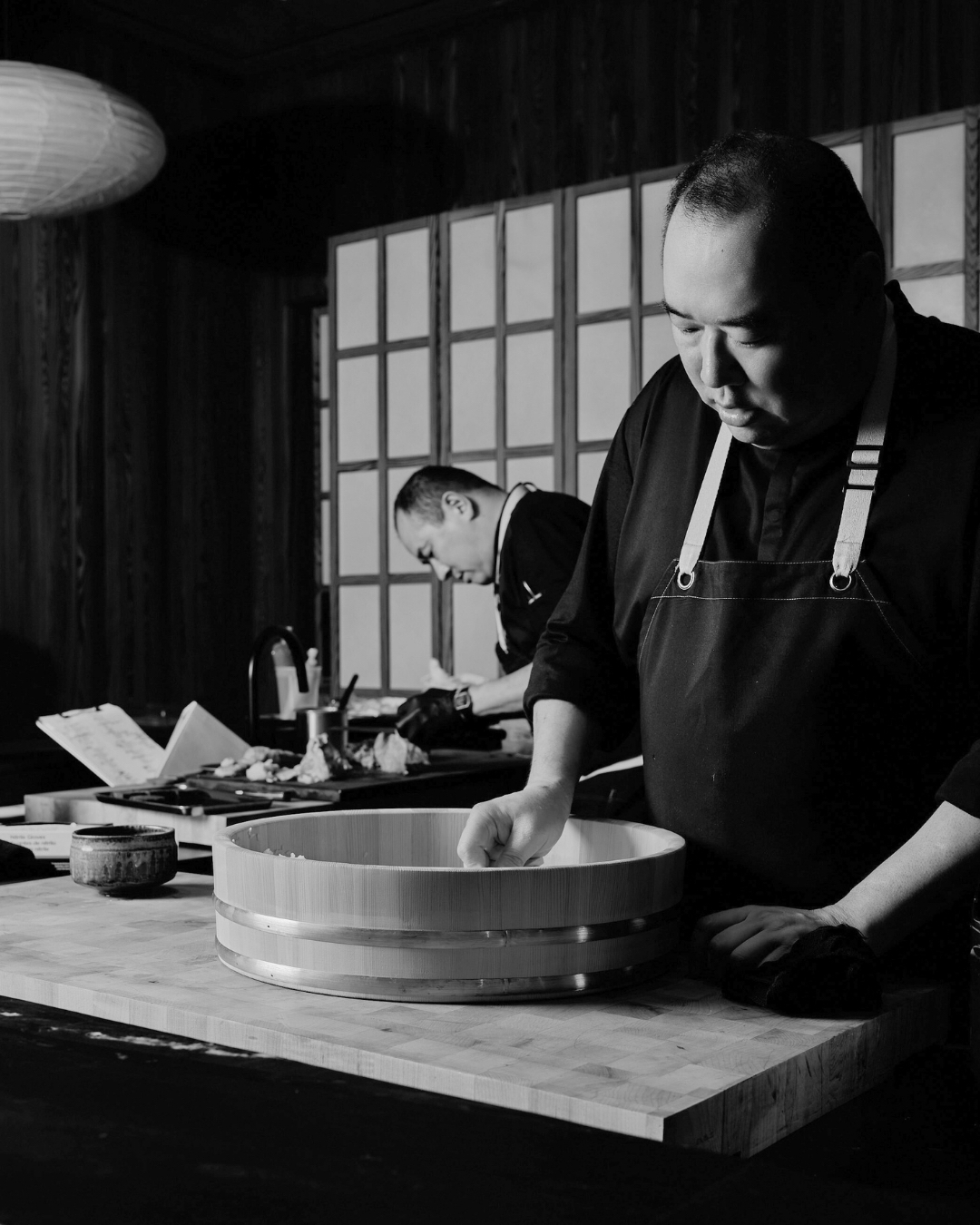
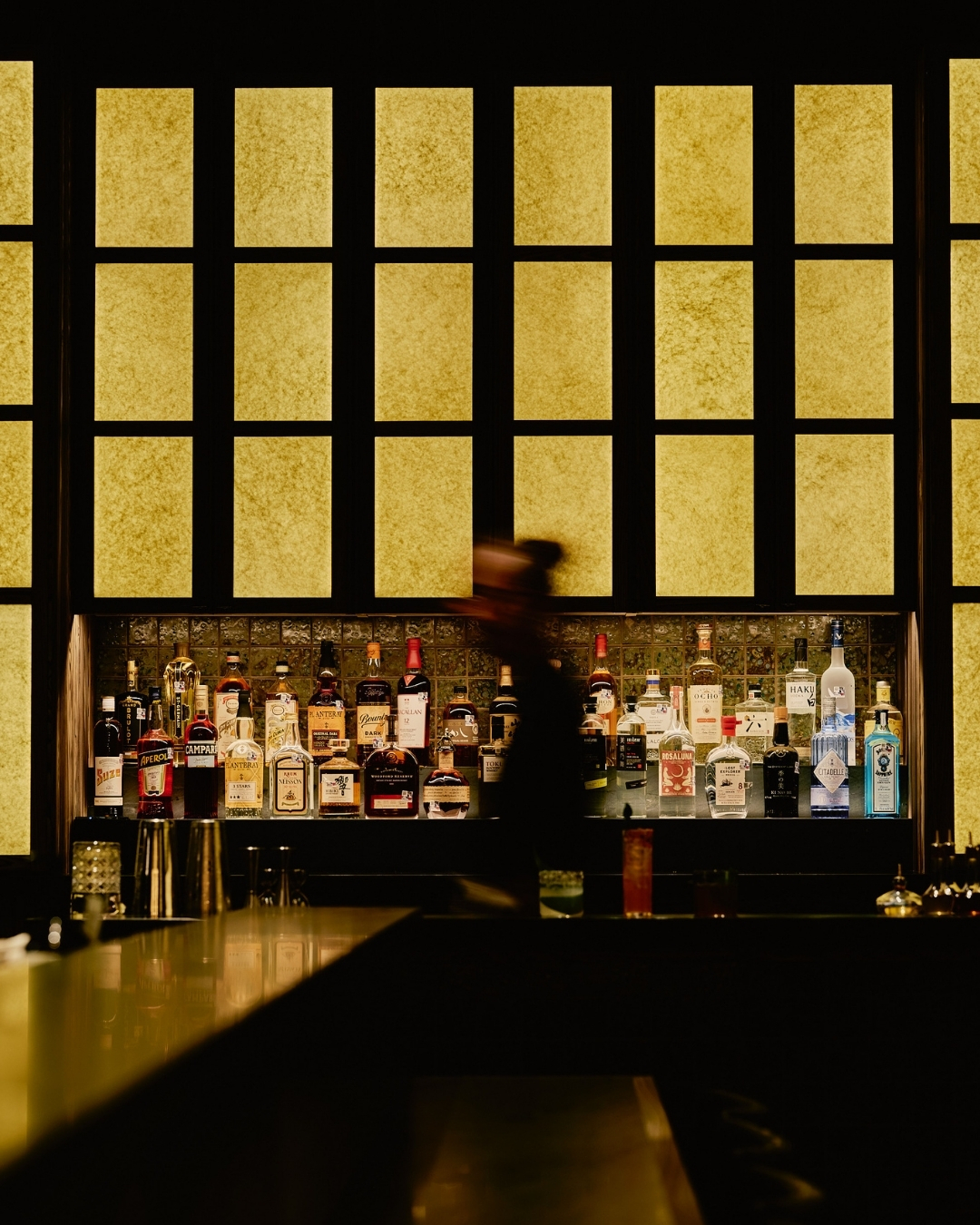
From the chic reception area of the Austin Proper Hotel, a hallway leads to a heavy wooden door that opens into the tucked-away room that holds Kappo Kappo. The twin brothers are busy with prep tasks as they greet guests who take their seats around the intimate sushi bar. The room is softly lit with dark wood decor accented by traditional shoji, lattice framed doors and windows covered with glowing translucent paper.
“It really brings back the memories of my childhood,” Haru explains as he begins to recount the menu for the night with a nod to the Veuve Clicquot on the wine list, which he refers to as “the flavor of his youth.”
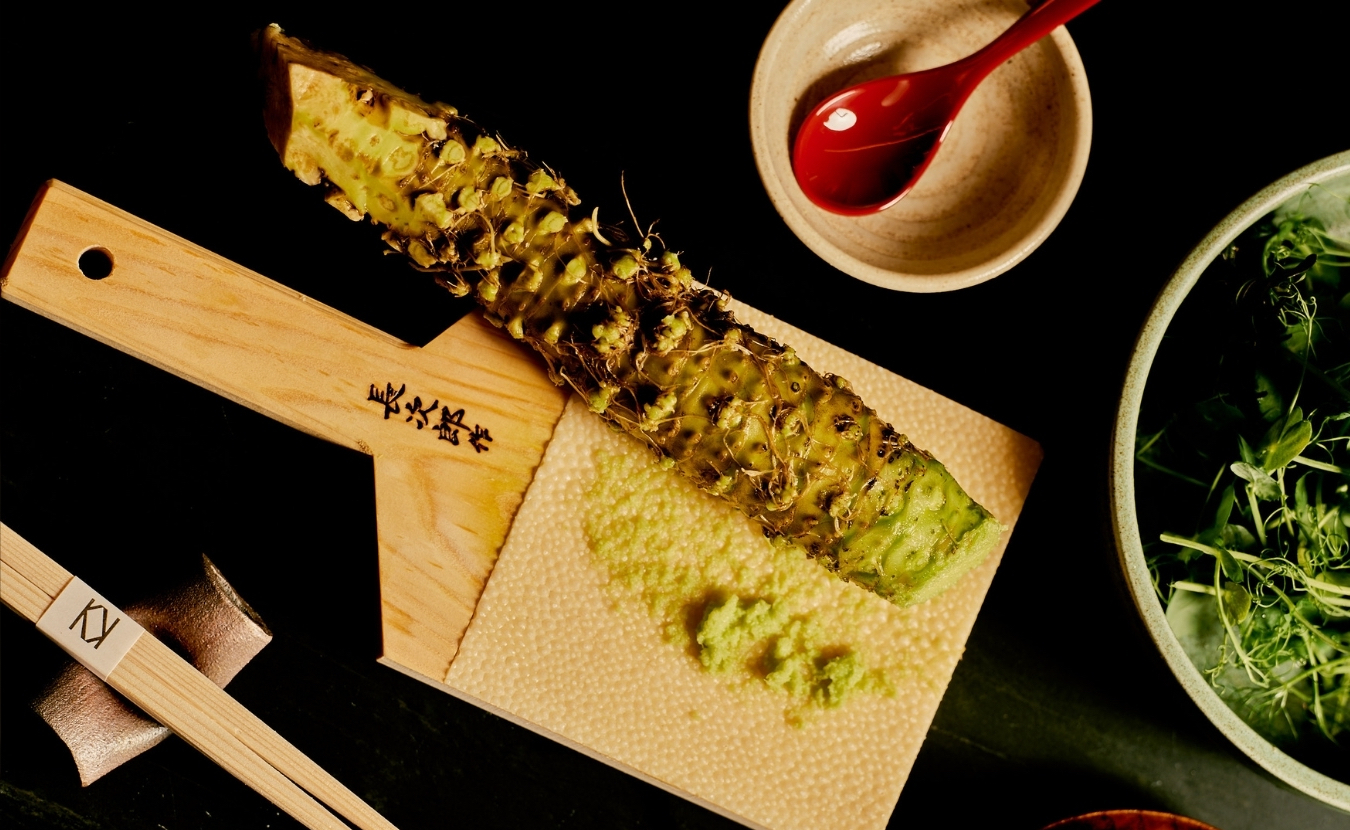
The chef holds up a wasabi plant, which vaguely resembles a skinny, tubular pineapple. “It takes about three years to grow one this size,” he says, before detailing the restaurant’s process for making fresh wasabi in house. It’s the first in a series of ingredients Haru previews from the upcoming meal. Next, he hoists a hearty chunk of dry-aged bluefin tuna and a slab of gorgeously marbled A5 wagyu. The mouthwatering display provides an early indication that this experience will be a bit different from most omakase meals in Austin.
Kappo is a Japanese word that means “cut and cook,” referring to a style of restaurant that began in Osaka around the early 1900s. The trademark element of such establishments is that the food is prepared and cooked in front of guests. Often the offerings are omakase—meaning chef’s choice—but not necessarily.
What makes Kappo Kappo different from many similar restaurants in Austin is this: While there are some delicious sashimi and nigiri bites (dry-aged kanpachi and bluefin, respectively), most of the courses involve cooking techniques that go beyond sushi. Rather than just slicing fresh fish from Toyosu, dishes bring in additional elements, flavors, and styles.
The meal begins with a puffy parmesan crust topped with a blend of delectable wagyu and toro (melt-in-your-mouth tuna belly). Next, a dashi course features a savory broth, salmon roe, and sea urchin.
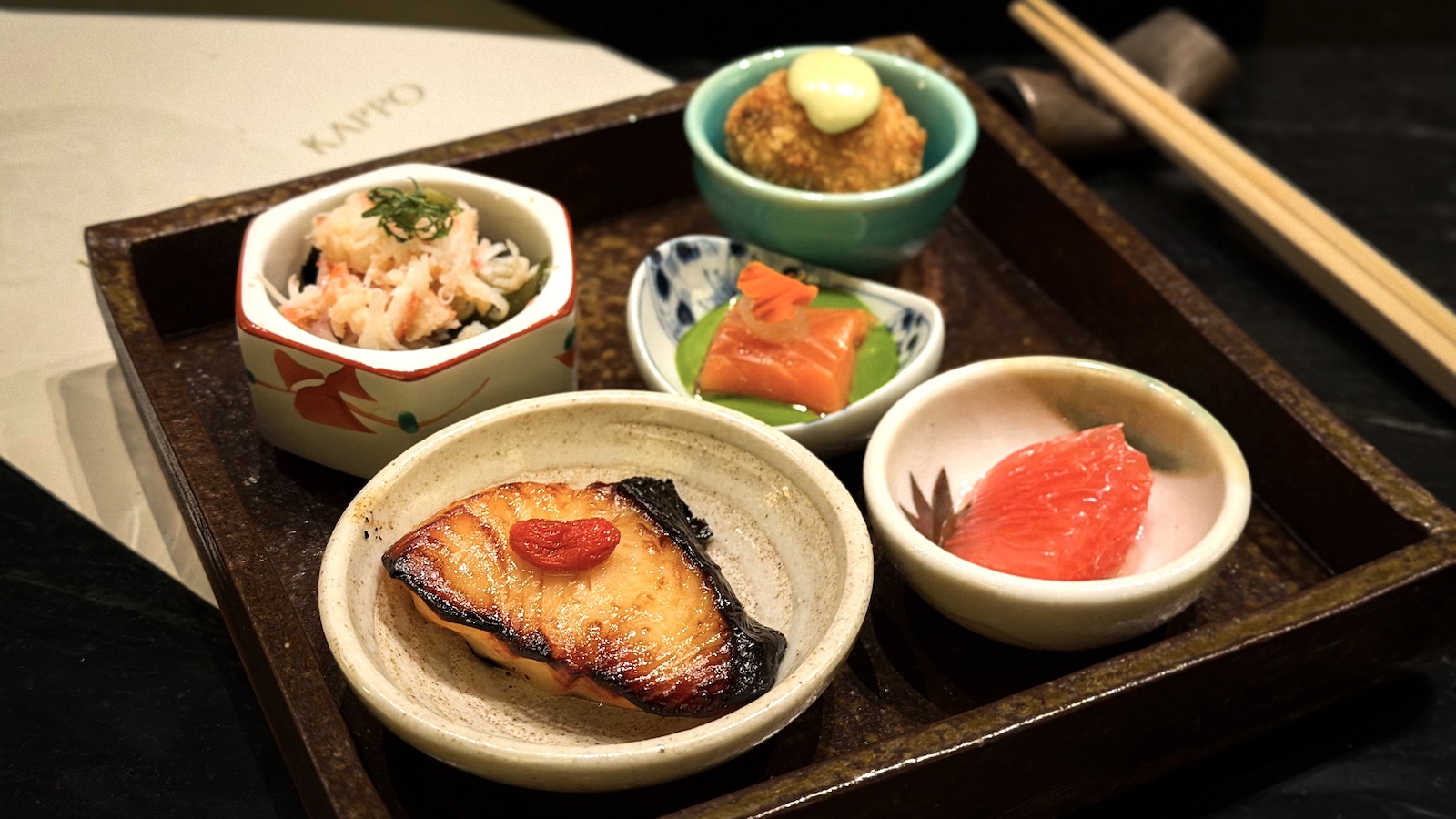
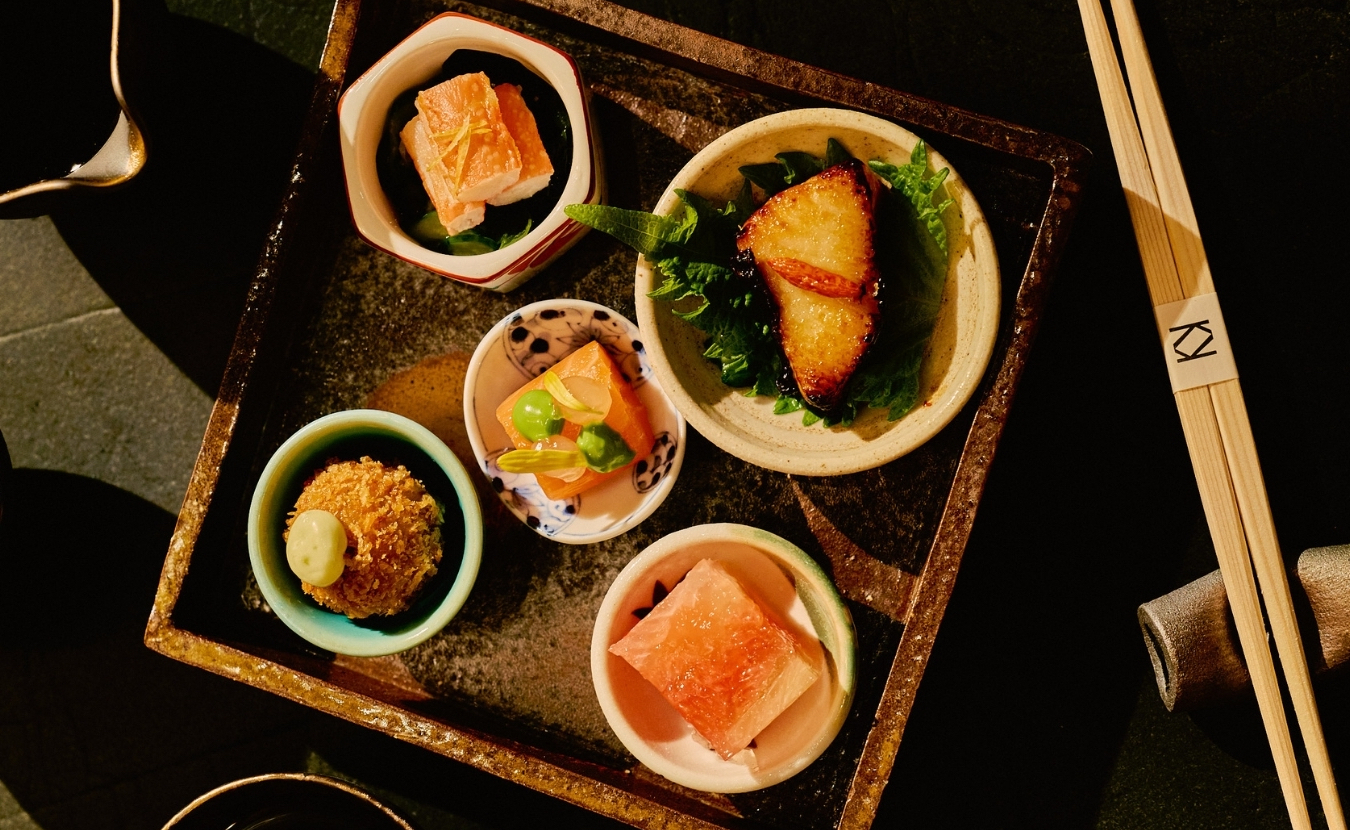
Every course is a winner, but the real showstopper comes right in the middle of service—a “treasure box” boasting a variety of tastings, including a crispy wagyu croquette, a small filet of black cod with a miso glaze, and snow crab salad. But the bite you’ll find yourself thinking about months later is the small cube of salmon mi cuit. First, the fish is cured in salt and sugar for 12 to 18 hours and then sous vide for another 12 hours. The result is worth the wait, as the rich, savory salmon dissolves sumptuously in your mouth.
You finish the main courses with a wagyu beef check bite covered with potato foam and then two different types of wagyu strips served with rice. These are the heartiest portions of the menu, and though they are perhaps less technically involved, they certainly make the price point feel worth it. In other words, this is one omakase that you won’t leave hungry.
The meal culminates with not one but three deserts—ice cream, a white chocolate dish, and a bite-sized cake—all delicious. And on top of the excellent cuisine, the restaurant has an impressively thoughtful wine and sake menu that includes rare offerings like a low-intervention Cabernet Sauvignon from Yamagata, a citrusy sparkling sake from Hiroshima, and a Sicilian orange wine.
All things considered, Kappo Kappo presents an 11-course dining experience that blends cultures, spans time, and makes thoughtful decisions about every ingredient. Haru and Gohei Kishi’s roots stretch back to Japan, and they were raised in Paris, but Austin is lucky that they have landed here to helm a restaurant so immersive and unforgettable.