
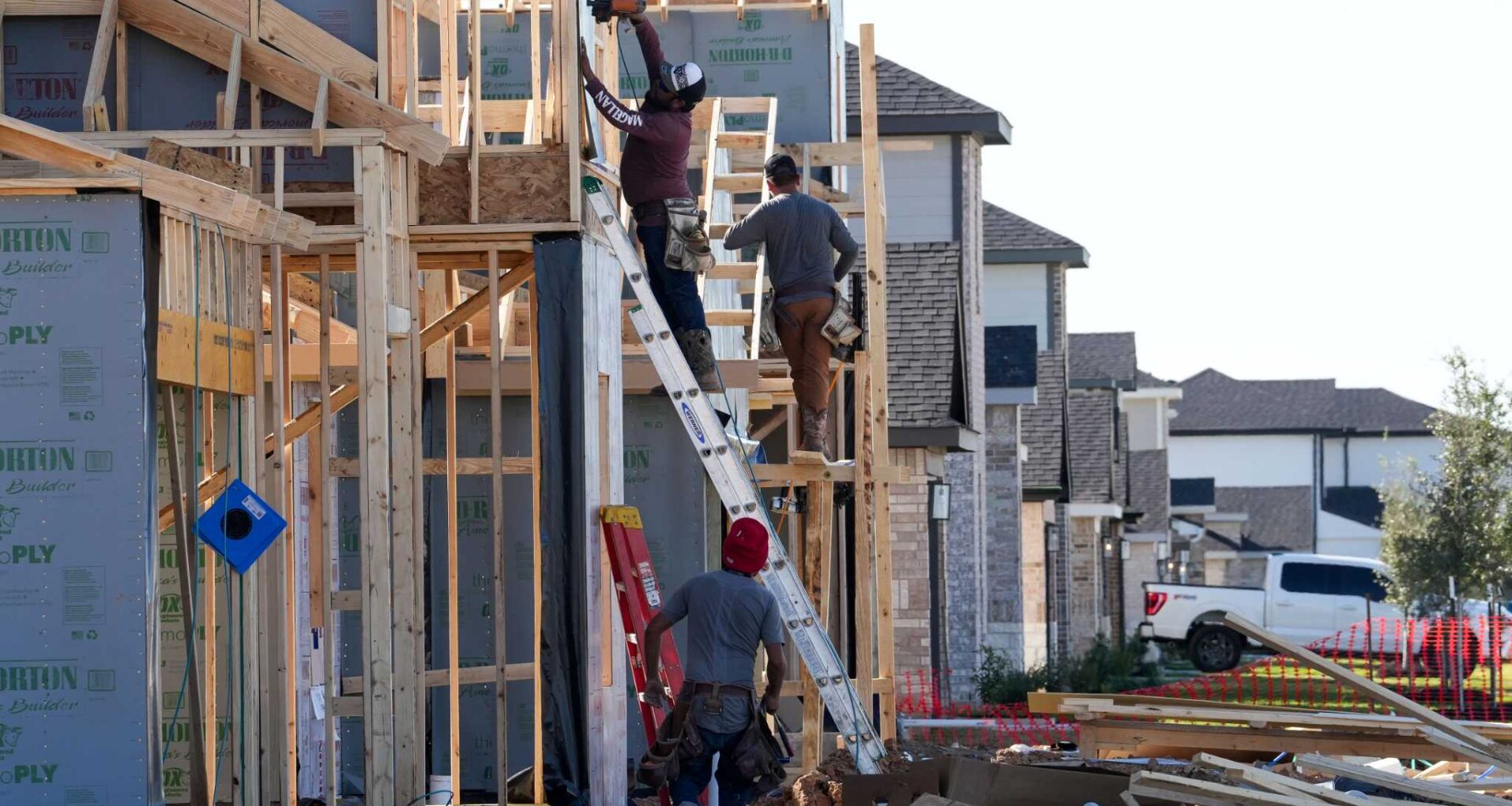
Fulshear ranked among the fastest-growing neighborhoods in the U.S. after adding thousands of homes and nearly sextupling its population over the last decade, according to a new national housing report that also highlighted booming growth in Katy and Richmond.
A new analysis from RentCafe.com found ZIP code 77441 in Fulshear ranked No. 4 nationally among the country’s fastest-growing neighborhoods after its housing inventory grew nearly fivefold over the last decade.
The broader Houston region has increasingly relied on suburban growth in places like Fulshear as population growth inside Houston slows sharply amid declining international migration and fewer people moving from elsewhere in the U.S., according to separate Census Bureau estimates released this month.
According to the RentCafe report, the number of homes in Fulshear’s 77441 ZIP code grew from about 2,163 housing units in 2014 to 10,615 in 2023, a 391% increase. During that same period, the population jumped from roughly 5,600 residents to nearly 33,000.
The report also found more than 92% of residents in the area hold at least a bachelor’s degree.
Fulshear Mayor Don McCoy recently told the Chronicle the city’s rapid growth has created mounting pressure on infrastructure, roads, water systems and public safety services as officials work to keep pace with development.
“It says one thing loud and clear, which is that people are intentionally choosing Fulshear,” McCoy said.
Two other Fort Bend County-area ZIP codes also made RentCafe’s national top 50 list.
ZIP code 77493 in Katy ranked No. 25 nationally after growing by more than 12,000 homes over the decade, bringing total housing inventory to more than 20,500 units. The area’s population now exceeds 62,000 residents, making it the most populous Houston-area ZIP code included in the rankings.
ZIP code 77407 in Richmond ranked No. 45 nationally. Housing inventory there grew 123% to nearly 25,300 homes, according to the report. The ZIP code also posted a nearly 98% occupancy rate, the second-highest among Texas ZIP codes on the list.
The report analyzed about 32,400 ZIP codes nationwide using U.S. Census Bureau data from 2014 through 2023. Researchers defined qualifying neighborhoods as areas with at least 1,000 housing units, occupancy rates above 89.5% and housing inventory growth of at least 51% over the study period.
Texas placed 17 ZIP codes on the national top 50 list, more than any other state.