
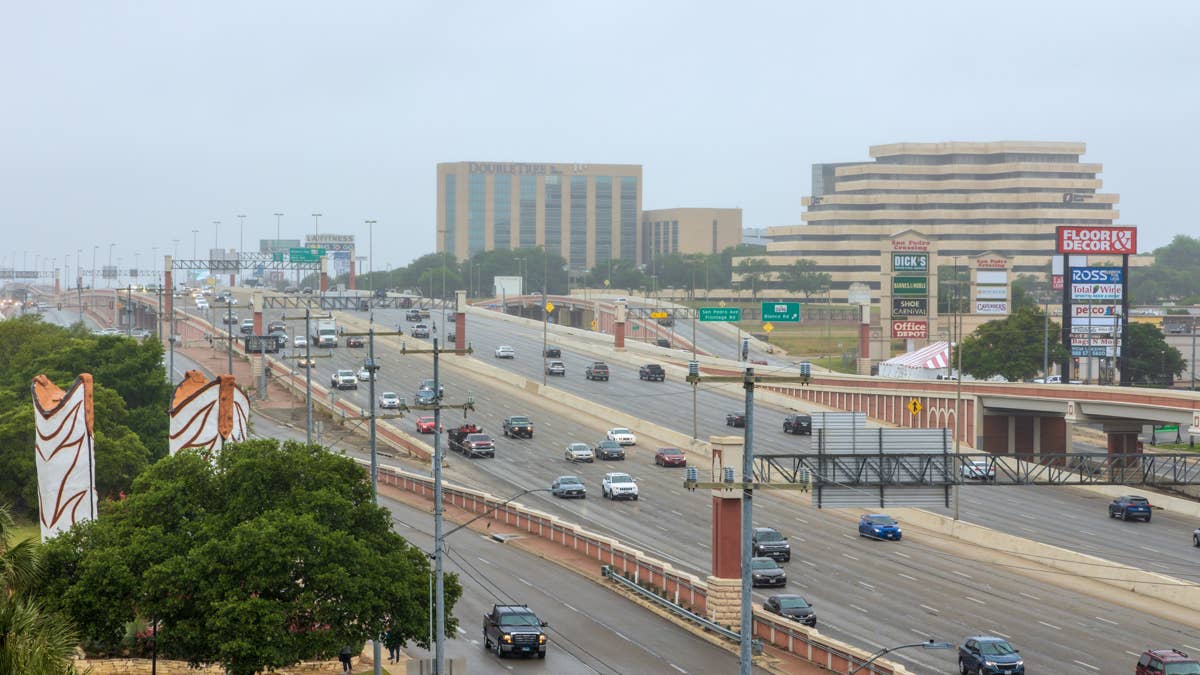
Millions of residents across North Texas are being urged to stay indoors and limit outdoor activity this weekend, as air quality takes a hit, with officials from the National Weather Service (NWS) warning that pollution levels could climb into unhealthy territory.
An ‘Ozone Action Day’ has been declared for the Dallas–Fort Worth area through Sunday, May 24, as weather conditions set the stage for dangerous smog buildup.
What Areas Are Affected—and For How Long
The alert covers the Dallas–Fort Worth metro area, one of the largest urban regions in Texas and home to millions. Major cities, including Dallas, Fort Worth, and Arlington, as well as surrounding counties such as Tarrant, Collin, and Denton, are affected.
According to the Texas Commission on Environmental Quality (TCEQ), the weather conditions on Sunday—think heat, sunshine, and light winds—are ideal for ozone formation, especially in the afternoon and early evening.
What Ozone Actually Is
Ozone might sound harmless, but at ground level it’s a different story. This isn’t the protective ozone layer high in the atmosphere, which is “good” ozone—this is “bad” ozone, a key ingredient in smog, the TCEQ says.
It forms when pollutants from cars, power plants, and industrial activity—specifically nitrogen oxides (NOx) and volatile organic compounds (VOCs)—react in sunlight.
Translation: Hot, sunny days plus heavy traffic equals polluted air that you don’t want in your lungs.
Why It’s Dangerous for Your Health
Ozone is a lung irritant—and a serious one. Even short-term exposure can:
Trigger coughing and throat irritation
Make it harder to breathe deeply
Tighten airways, leading to wheezing or shortness of breath
Worsen asthma and other lung diseases
Think of it like sunburn on your lungs—and yes, it can affect you, even if you’re healthy.
Who’s Most at Risk
While anyone can feel the effects, certain groups should be especially cautious:
People with asthma, COPD, or heart disease
Outdoor workers or athletes logging time outside
If you fall into one of these categories—or you’re planning a long outdoor workout—this is not the day to push it.
What You Should Do Right Now
Inside the home:
Stay indoors as much as possible, especially in the afternoon when ozone peaks
Keep windows closed and run the AC if you can
Avoid using products that release fumes (like strong cleaners or paints)
Outside:
Skip intense outdoor workouts or yard work
Avoid peak traffic hours when pollution is at its highest
If you need to be outside, take frequent breaks inside
How to Help Reduce Pollution
This isn’t just about protecting yourself—it’s about preventing the problem from getting worse. Officials are urging Texans to:
Carpool, bike, or walk instead of driving solo
Avoid drive-through lines and idling engines
Combine errands into one trip
Keep vehicles properly maintained
Use less electricity to cut emissions from power generation
The Bottom Line
For now, this is a short-term alert—but it highlights a bigger issue. The Dallas–Fort Worth region already struggles with ozone pollution that doesn’t meet federal standards, and days like this show how quickly air quality can deteriorate.
For today, the message is simple: If you don’t need to be outside, don’t be. Your lungs will thank you.
This story was originally published by Men’s Journal on May 24, 2026, where it first appeared in the News section. Add Men’s Journal as a Preferred Source by clicking here.