
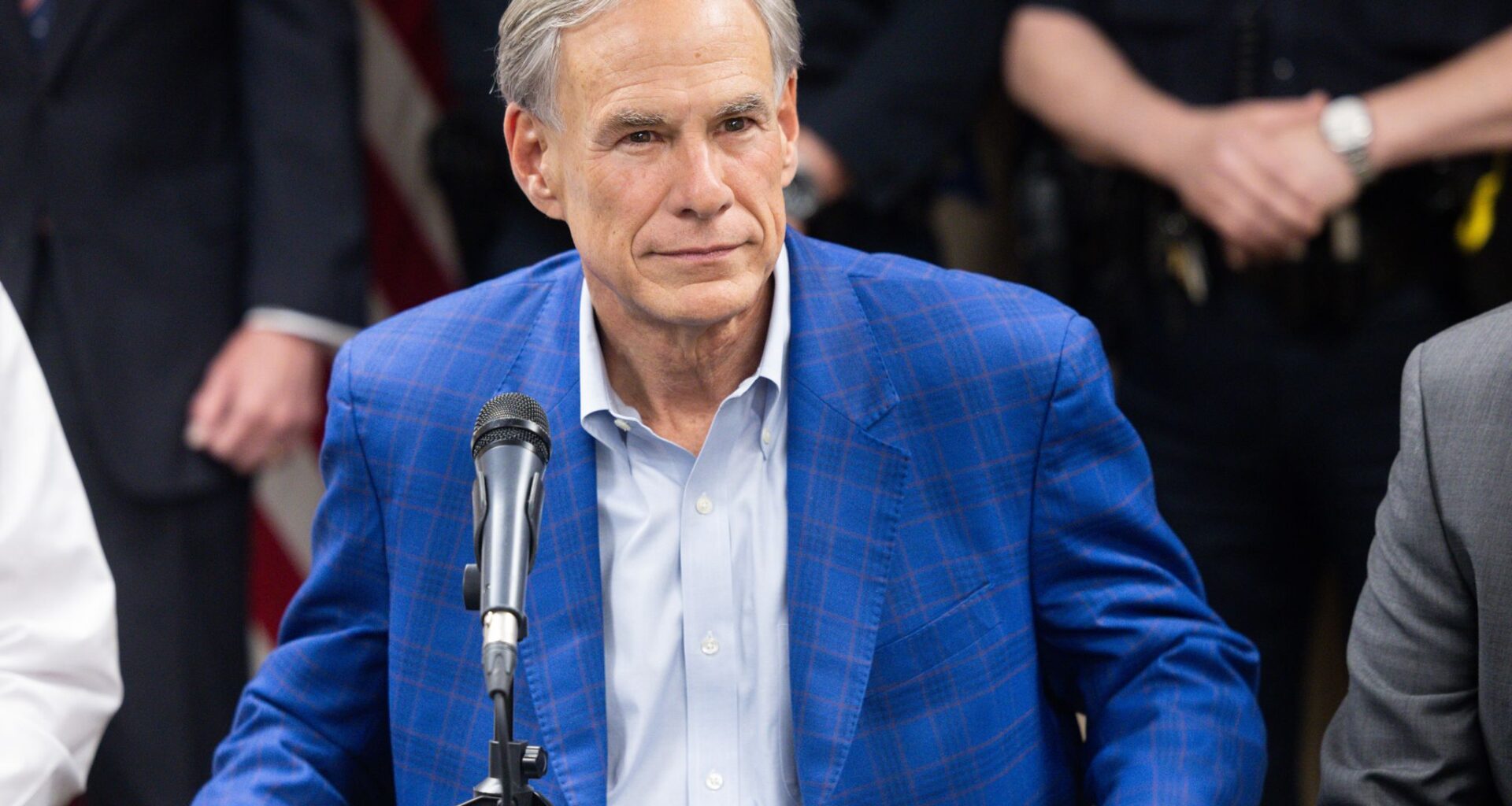
Tuition remains frozen for the 2026-27 school year, Gov. Greg Abbott reminded public colleges and universities this week, marking the fourth consecutive year of frozen tuition in Texas.
Abbott sent a letter to all public colleges and universities Wednesday reminding them the freeze is still “fully in effect” and directed them not to raise tuition for the upcoming year. After Texas lawmakers approved tuition freezes for the 2023-24 and 2024-25 school years, Abbott extended the freeze by another two years in November 2024.
“Texas must continue leading the nation in creating affordable pathways to higher education while maintaining the high academic standards that make our institutions strong,” Abbott wrote in his Wednesday letter.
Abbott also indicated he wants to work on extending the freeze even longer during the next legislative session, which begins in January 2027. Abbott is running for reelection this November.
Although the tuition freeze helps dampen the rising costs of education, some North Texas schools are facing budget shortfalls.
The University of North Texas anticipated a nearly $43 million decrease in tuition revenue for fiscal year 2026 — a 10% drop from last year — due to declining international master’s student enrollment. International students pay a higher tuition rate and typically take less financial aid, making them a key revenue source for the school.
Tuition revenue makes up 41% of UNT’s total operating budget, according to budget documents. UNT, at its Board of Regents meeting this month, projected a budget shortfall of about $34 million, down from about $45 million projected earlier this year. A UNT spokesperson said the university had not planned any tuition or fee increases for 2026-27.
The University of Texas at Arlington anticipates a $44.2 million budget shortfall in 2026, which includes a $17.6 million drop in tuition revenue from last year. UTA’s budget decrease is accompanied by a 30% decline in international graduate student enrollment for fall 2025.
The tuition freeze applies to all two-year and four-year schools, including health institutions. The governor cited recent state funding increases for higher education as reasons to keep the tuition freeze in place. He noted the state spent $680 million to reform community college funding in 2023, and lawmakers approved $328 million in 2025 to improve access to financial aid resources.
“These efforts reflect our commitment to ensuring that higher education remains accessible and affordable for all Texans,” Abbott wrote in his initial 2024 tuition freeze directive. “When all Texans have access to quality and affordable education, they can earn better wages, meet workforce qualifications, and experience a higher quality of life.”
The DMN Education Lab deepens the coverage and conversation about urgent education issues critical to the future of North Texas.
The DMN Education Lab is a community-funded journalism initiative, with support from Bobby and Lottye Lyle, Communities Foundation of Texas, The Dallas Foundation, Dallas Regional Chamber, Deedie Rose, Garrett and Cecilia Boone, Judy and Jim Gibbs, The Meadows Foundation, The Murrell Foundation, Ron Steinhart, Solutions Journalism Network, Southern Methodist University, Sydney Smith Hicks, and the University of Texas at Dallas. The Dallas Morning News retains full editorial control of the Education Lab’s journalism.