
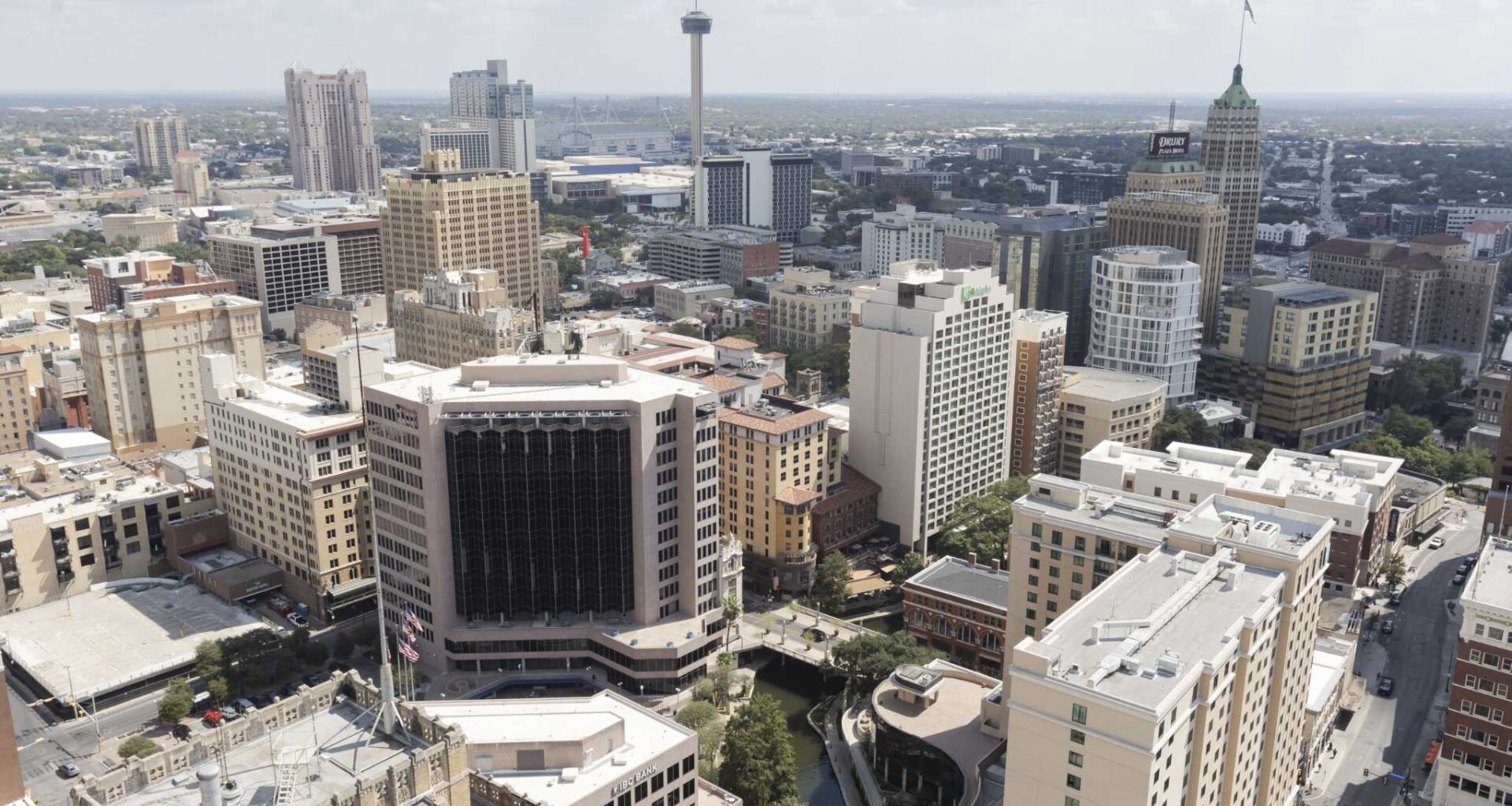
Downtown San Antonio is seen in October 2024. Our guest columnist, a professional site selector, is optimistic about the Austin-San Antonio megaregion’s potential.
Josie Norris/San Antonio Express-News
Larry Gigerich is a nationally recognized leader in economic development and site selection, with more than 35 years of experience in local and state government, not-for-profits and the private sector.
Courtesy of Larry Gigerich
The U.S. and the world are fortunate to have access to several great megaregions, large economic centers with the key building blocks to position them for long-term growth and success.

While some megaregions face challenges, others are emerging along the economic landscape. One of the next great megaregions to watch will be the Austin-San Antonio corridor.
There are many reasons why site selectors and corporate decision makers worldwide recognize the Austin-San Antonio corridor as one of the most attractive megaregions in which to invest, grow and prosper.
Article continues below this ad
Texas offers abundant land for commercial and residential development; a growing, educated population; five of the most dynamic, fastest-growing metropolitan areas in the country; business-friendly tax policies; and a welcoming and collaborative state government.
Texas exemplifies opportunities for many people and companies from all walks of life searching for good jobs, business growth and a sustainable, affordable lifestyle.
COMMENTARY: Let’s get San Antonio and Austin back on track with rail
The Austin-San Antonio megaregion boasts approximately 5.5 million residents and is projected to grow to more than 8 million by 2050. The area is blessed with an abundance of assets, including excellent higher educational institutions, housing options for all segments of the population, a diverse young population, an affordable cost of living, a growing number of new blue- and white-collars jobs, a diversified economic base and an outstanding quality of life for residents to grow and thrive in.
As a professional site selector, I am extremely optimistic about the potential for the Austin-San Antonio megaregion; however, any fast-growing region will experience challenges, and the Austin-San Antonio corridor is not immune.
Article continues below this ad
It will be vital for the area to address key issues, such as water, road, rail and air infrastructure; air quality; K-12 education; and land use. The positive news is that these issues have been a focus for public policymakers in the region and state for the past 10 to 15 years, and efforts are underway to develop and execute plans to guide the region through this century.
One leader who deserves to be brought into focus is Henry Cisneros. As a former San Antonio City Council member and mayor, he helped dramatically transform the city’s economy; grow its tourism, convention and hospitality sector; attract emerging tech companies; and deliver high-quality governmental services.
Barton Springs pool in Austin’s Zilker Park is seen in June 2023 in front of the city’s skyline. Barton Springs is slated to be a major stop on the Great Springs Project trail plan, a project that is attempting to connect San Antonio to Austin through a trail complex that would connect the major springs in San Antonio, New Braunfels, San Marcos and Austin.
William Luther/Staff
Cisneros’ book, “The Austin-San Antonio Megaregion: Opportunity and Challenge in the Lone Star State,” with Robert Rivard and David Hendricks, illustrates the incredible opportunity and the challenges ahead for the Austin-San Antonio area to become the world’s next great megaregion.
The book offers an impressive yet balanced perspective, being aspirational and realistic when discussing the megaregion’s future.
Article continues below this ad
ALSO READ: Great Springs Project — The plan for a 100-mile San Antonio to Austin trail is moving ahead
The book emphasizes the importance of local, regional and state leaders needing to rethink transportation systems to handle growing surface and air transportation loads and the production of more single-family and multifamily residences in inner-city, suburban and rural locations.
Education and training programs must meet the workforce requirements, driven by ever-changing technology and advanced manufacturing businesses to ensure reliable paths of upward mobility for all populations.
Given the pace of new growth, critical infrastructure improvements to support water supply, energy and power, environmental safeguards and climate change mitigation, and quality of place amenities must be planned and invested in now.
Article continues below this ad
The megaregion’s early recognition of the opportunities and challenges ahead of it speaks volumes in the success achieved to date and what will be accomplished in the future.
Larry Gigerich is a nationally recognized leader in economic development and site selection, with more than 35 years of experience in local and state government, not-for-profits and the private sector.
Sign up for the ENsights opinion newsletter
Get the latest influential editorials, hard-hitting commentaries and thought-provoking opinions from the Alamo City in your inbox. Click here to sign up.