
In football, when a flag is thrown, someone’s supposed to get a penalty for breaking the rules.
In the cases of Rashee Rice and Brendan Sorsby, two flags were thrown, but only one seems to have caused any real consequence.
Rice, the Kansas City Chiefs receiver, was responsible for a high-speed crash in March 2024 and was arrested in May for a positive THC test — a direct violation of his probation.
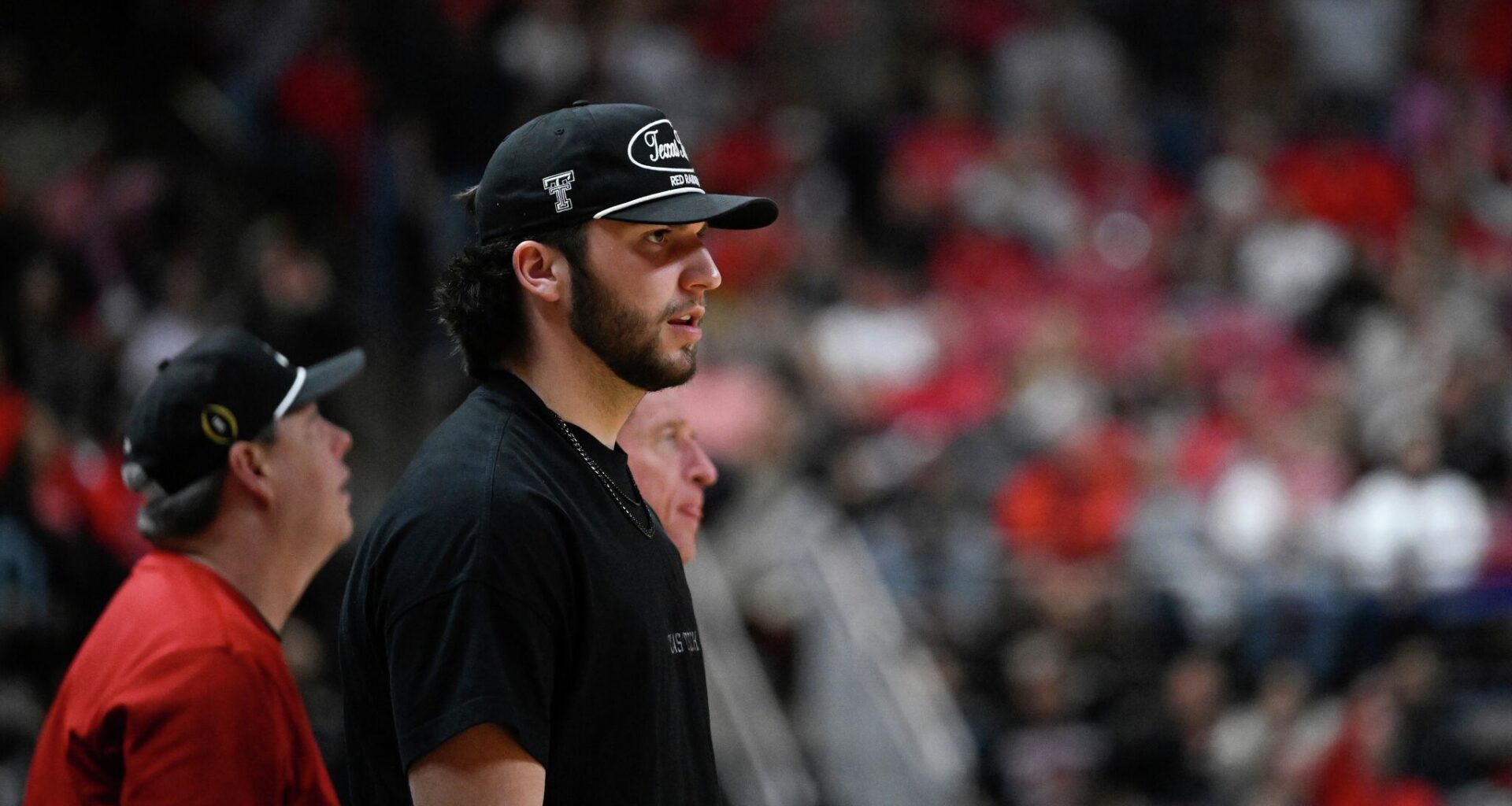
Sorsby, the Texas Tech quarterback, was sidelined by the NCAA for the 2026 season for his gambling involvement — a direct violation of NCAA rules.
Both must take responsibility for their actions. However, across organizations, this approach looks drastically different, revealing a deeper institutional issue.
Both the NCAA and NFL have the responsibility to work in the best interest of the sports they govern.
In the case of Rice, the NFL has taken a stance against his actions in the form of a six-game ban in 2025. The Chiefs’ front office has taken notice. ESPN’s Adam Schefter reported that the Chiefs have no interest in a long-term extension with Rice, one that could have been worth almost $40 million.
Good on the league and the Chiefs for taking a stand to protect the integrity of the game. We wish Texas Tech would have done the same.
On May 26, Texas Tech President Lawrence Schovanec released a statement denouncing the NCAA’s decision to sideline Sorsby. Tech’s stance is that the NCAA is out of date and out of line. By appealing the decision, Tech believes it is working in the best interest of the integrity of collegiate athletics. It wrapped its decision in the pretense of concern for Sorsby’s treatment for a gambling addiction.
In reality, the university is making sure a star is on field even as it puts the game itself at risk.
Yes, unlike Rice, Sorsby did not break the law. He did, however, make a decision that is in direct violation of the expectations both Tech and the NCAA lay out for their athletes. These are rules, and when rules are broken, consequences are necessary. Surely an institution of higher learning would align with that idea.
Tech’s decision is revealing. By telling Sorsby that his actions don’t have serious consequences, the school is telling the next kid that their actions also don’t have consequences — a dangerous precedent.
The NCAA was right to declare Sorsby ineligible; its rules on sports wagering are one of the last bulwarks against gambling totally polluting college sports. They are also a warning to young athletes that hurting their sport is a serious infraction. For Tech, it talks of integrity, but has yet to act in a way that protects anything but its own interests.
In sports, integrity is important. In the cases of Rice and Sorsby, the Chiefs, NCAA and NFL get it. It’s Tech’s turn to do the same.
Have thoughts about this? Send a letter to the editor using our letters form or email letters@dallasnews.com. Letters should be no more than 200 words and include the first and last name of the writer and city of residence.