
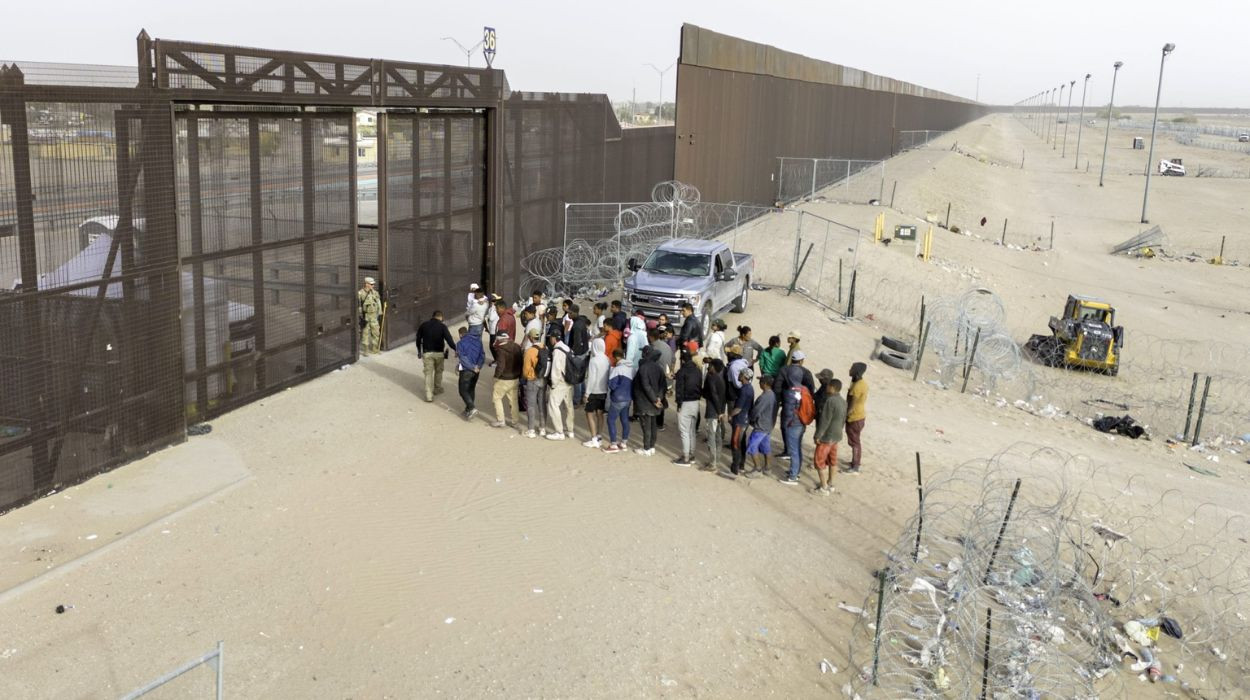
The El Paso detention lawsuit has become a major test of Human Rights protections and State Policy in U.S. immigration enforcement. Civil rights groups say Camp East Montana is not simply a poorly managed facility, but a place where abuse, neglect, disease, and unsafe detention conditions have reached a level that may amount to constitutional violations.
Why the lawsuit matters
This case matters because it targets the largest immigration detention center in the United States, which gives the dispute national significance rather than just local relevance. The camp was opened in August 2025 on Fort Bliss in El Paso, and the legal challenge argues that the government created a detention system that is too large, too fast-moving, and too opaque to safely manage.
The lawsuit also matters because it does not focus only on one incident or one detainee. It claims the problems are systemic, meaning they are built into how the camp operates, and that makes the lawsuit more powerful as a broader challenge to federal detention practice.
Conditions described in the complaint
The complaint describes conditions that go far beyond ordinary detention hardship. It says detainees are held in windowless enclosures, exposed to physical abuse by guards, denied adequate medical and mental health care, and forced to live in unsanitary and dangerous surroundings.
The filing also describes extreme environmental problems, including dust exposure through tent walls, poor ventilation, limited sunlight, spoiled or inadequate food, and a lack of basic hygiene items. These details are important because they support the claim that the camp is not merely uncomfortable, but potentially harmful to health and safety.
Medical and health concerns
A major part of the lawsuit concerns medical neglect. The plaintiffs say detainees with serious conditions such as asthma, diabetes, HIV, cancer, and seizure disorders were not given timely treatment, and some were denied medication altogether.
Reports also mention disease outbreaks inside the camp, including measles, and the lawsuit links those outbreaks to poor living conditions and inadequate sanitation. In detention settings, medical neglect is especially serious because people cannot easily seek treatment on their own, so delays can quickly become life-threatening.
Deaths and oversight failures
The reported deaths at Camp East Montana are one of the most alarming parts of the story. Public reporting says there have been at least three deaths in under a year, and one account notes that deaths in U.S. immigration detention reached a two-decade high in 2025.
Inspection findings add another layer of concern. A congressionally mandated review found 49 detention-standard violations, including failures linked to medical care and use of force. That is significant because it suggests the problems are not limited to detainee testimony; they also appear in official oversight records.
Constitutional and legal claims
The plaintiffs say the conditions violate the Fifth Amendment’s due process protections and the Administrative Procedure Act. That legal argument is important because detainees in civil immigration custody are not supposed to be punished like criminal prisoners, yet the complaint says the camp functions in a punitive way.
The lawsuit also seeks class-action status, which would extend the case beyond the four named detainees. If granted, that would let the plaintiffs argue that the entire camp operates under unlawful conditions, not just that a few isolated individuals suffered harm.
Government response and dispute
The Department of Homeland Security has denied the allegations and said claims of abuse are
“categorically false.”
Officials say detainees are provided meals, monitored by staff, and held under standards designed to protect safety and welfare.
That denial creates the central conflict in the case. On one side are lawyers and detainees describing violence, neglect, and unsafe confinement; on the other side is the government insisting the facility meets its obligations. This clash will likely shape the lawsuit’s progress, because the court will have to decide whether the evidence supports the plaintiffs’ claims.
Human Rights framing
The story is being widely framed as a Human Rights issue because it concerns the treatment of people who are under state control and unable to protect themselves. Amnesty International’s earlier reporting on El Paso detention facilities documented serious rights violations, including lack of due process, mistreatment, and limited access to legal resources.
That broader context matters because it shows the lawsuit did not emerge in a vacuum. Instead, it builds on a growing record of criticism that the El Paso detention system has long failed to meet basic standards of dignity and lawful care.
State Policy implications
The lawsuit also raises bigger questions about State Policy and the direction of immigration enforcement. Camp East Montana was opened during the Trump administration as part of a broader deportation agenda, and critics say the camp reflects a policy choice to prioritize speed and deterrence over humane treatment.
This is why the case is politically important. It is not only about whether one facility violated rules; it is also about whether federal policy has created conditions where abuse becomes predictable. If the court takes that view seriously, the case could influence how future detention facilities are designed, staffed, and monitored.
Local and historical significance
The location at Fort Bliss gives the case added weight. Advocates have pointed to the military base setting and its historical associations with confinement and displacement as a reminder that the site carries moral and symbolic importance.
El Paso itself is also central to the public debate because the city has become a focal point for immigration enforcement in the border region. The lawsuit therefore combines local impact, regional politics, and national policy in a single controversy.
Broader public reaction
Public reaction has been shaped by the graphic nature of the allegations and by the scale of the camp. Reports of beatings, medical neglect, and deaths inside the facility have fueled criticism from lawmakers, advocates, and human rights organizations.
At the same time, the government’s forceful denial shows how politically charged the issue has become. The debate is no longer just about detention conditions; it is also about credibility, accountability, and whether immigration enforcement is being carried out within the bounds of law.
The story resonates because it combines several powerful themes: suffering, state power, constitutional rights, and public accountability. It also involves a facility that is both large and newly opened, which makes the allegations especially urgent and difficult to dismiss as old problems left over from the past.
The strongest takeaway is that the lawsuit is presenting Camp East Montana as a warning sign for the future of immigration detention. If the allegations are proven, the camp would stand as a major example of how Human Rights failures can become embedded in State Policy.