https://img.particlenews.com/image.php?url=1v7CCE_16AWZAiI00

(Plano, Texas) It’s no surprise that shoppers at Spirit Halloween stores can be frightened by the animatronics. There are so many of them scattered everywhere. The motion-activated ones scare people by far the most, jumping out at them or screaming. What they’re not used to are monkeys swinging overhead from the building rafters, trying to escape the madness of the animatronics.

A Real-Life Scare at Spirit Halloween

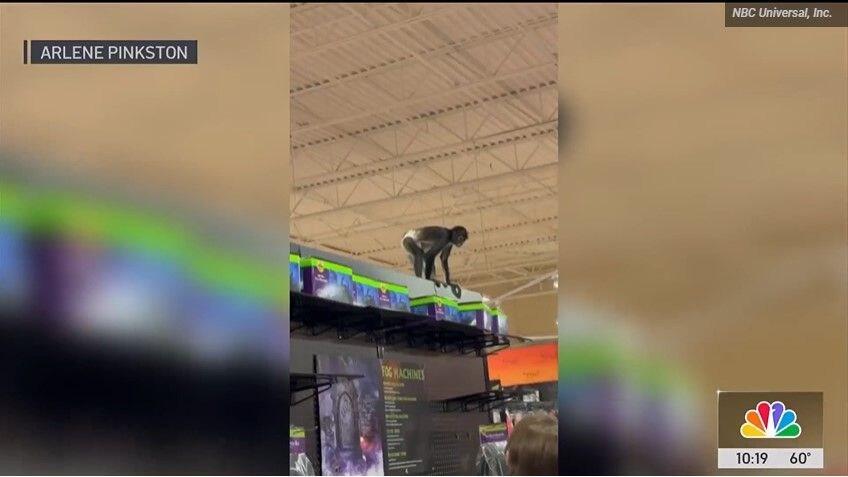
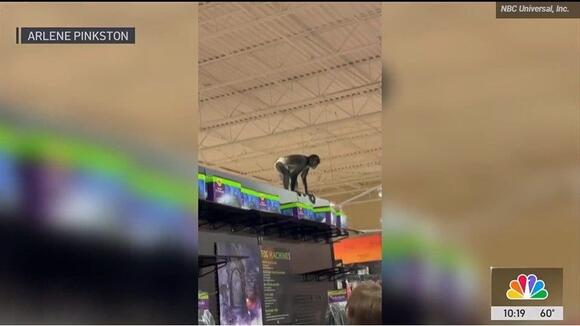
While shopping at a Spirit Halloween store in the Dallas-Fort Worth metroplex this week, customers were frightened and in awe of a monkey wearing a diaper swinging from store displays and the ceiling rafters. No, it wasn’t a store animatronic display; it was a live pet monkey causing the chaos.

Download the KTYL Mobile App NowHow the Monkey Got Loose

A customer brought their pet monkey into the store, and while they were shopping, some of the store’s animatronic displays spooked the pet monkey, causing it to leap from the owner’s control and break free. The monkey ran around the store and was hanging precariously from the store rafters for approximately 30 minutes. Arlene Pinkston tells NBCDFW it was like a scene from Animal Kingdom.

Caught on Camera: Monkey Swings from the Rafters

Pinkston’s daughter first caught a glimpse of the monkey, thinking it was a store display, but when she noticed it was wearing a diaper and it was moving naturally, they knew it was a real monkey. Pinkston started recording video of the rogue monkey inside the Plano Spirit Halloween store.

READ MORE –>17 Texas Town Names That Have Spooky Or Scary Sounding Names

Plano Police Called to the Scene

Store employees called the Plano Police Department for assistance. Upon arrival, officers witnessed the monkey swinging from the rafters, too. The owner was eventually able to coax the monkey back down with a simple cookie treat.

A Halloween Story No One Will Forget

This will be one costume shopping experience that these Spirit Halloween customers will not soon forget.

Happy Halloween, everyone!

LOOK: 14 Things That Will Make You Nostalgic for Halloween in the ’80s1980s-era Halloween had its own vibe, from the waxy candy bags to the widespread fear of razor blades in apples. Think you can handle the nostalgia? Keep scrolling if you dare! Gallery Credit: Stephen Lenz https://img.particlenews.com/image.php?url=2DTtyg_16AWZAiI00transylvania90210 via eBayOff-the-Shelf “I Can’t Breathe!” Halloween CostumesOne of the most defining relics of Halloweens past were those “character” plastic costumes — big on toy and movie merchandising, but not so big on quality, comfort, or letting you breathe and see. Even as a kid, I remember thinking how strange it was that the costume wasn’t really a costume, but more of a walking ad for whatever you were trying to be.
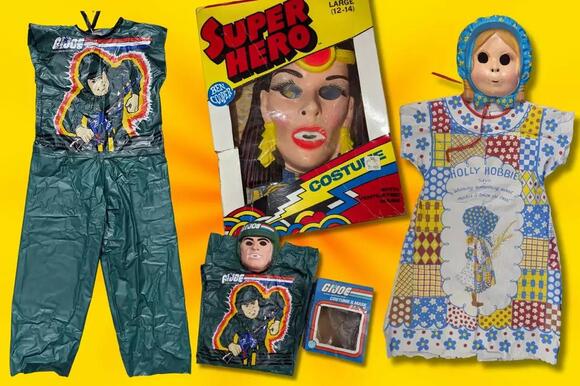
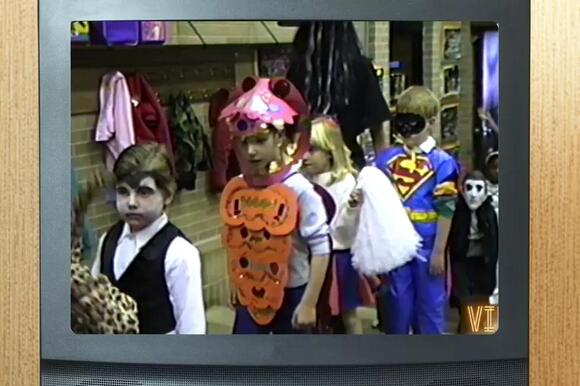
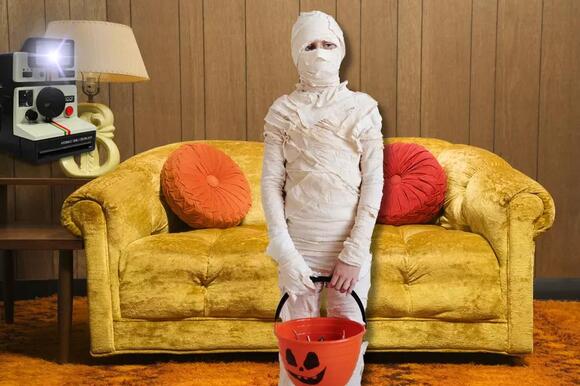
Looking back at these photos, those costumes were actually more terrifying than a high-end werewolf or zombie getup. [Costume photos: transylvania90210, Pontiac Exchange, StarWarsDan.] https://img.particlenews.com/image.php?url=3RwdEc_16AWZAiI00Canva / Getty ImagesTerrible Homemade CostumesMom and Dad meant well, but homemade costumes usually involved a paper bag, some toilet paper, and Mom’s expired makeup that smelled a little off. The costume in this photo is actually pretty solid, but let’s be real — when you’re a kid, they could’ve hired a Hollywood special effects team, and you’d still be embarrassed. https://img.particlenews.com/image.php?url=32znQ8_16AWZAiI00Video Dotti via YouTubeIncredibly Awkward School Hallway Halloween Costume ParadesCheck out this incredible social psychology artifact posted on the Video Dotti YouTube channel: a bona fide elementary school Halloween costume parade from the ’80s.
Rarely did a kid actually enjoy participating. You were either mortified if your costume drew too much attention or even more horrified if you didn’t have one and still had to march. Video Dotti notes that today’s parades come with plenty of guidelines, but in the 1980s, there were no rules. It wasn’t unusual to see both gory and cute costumes parading down the halls at the same time. Watch for the kid dressed as a priest.
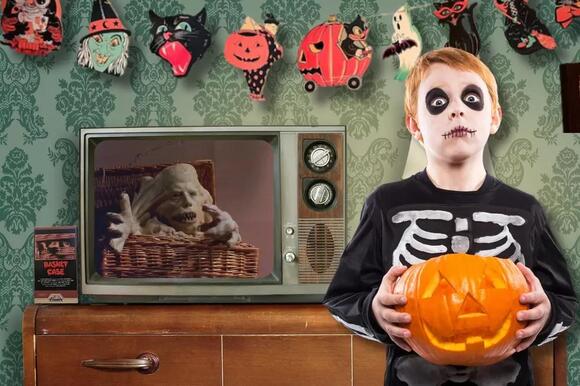
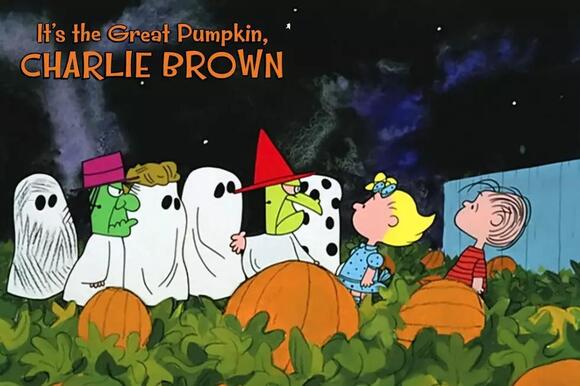
https://img.particlenews.com/image.php?url=2WxzGN_16AWZAiI00Getty ImagesWatching Actual Scary Movies Like ‘Basket Case’ on a School Night Halloween might’ve fallen on a random Tuesday, but that didn’t stop your dad from renting the most terrifying, nightmare-inducing horror movies for you and your siblings to watch until midnight. I vividly remember watching Basket Case year after year, and just the sight of the VHS case still haunts me. https://img.particlenews.com/image.php?url=4CoAku_16AWZAiI00United Feature Syndicate, Inc. / AppleWatching the ‘Great Pumpkin’ Peanuts Special: It’s No ‘Charlie Brown Christmas’Before you graduated to watching Basket Case and not sleeping for a week, there was good ol’ Chuck and his Great Pumpkin special. It was definitely inferior to A Charlie Brown Christmas, but it was something to have on in the background while you stared in disappointment at the pile of apples you pulled from your treat bag.
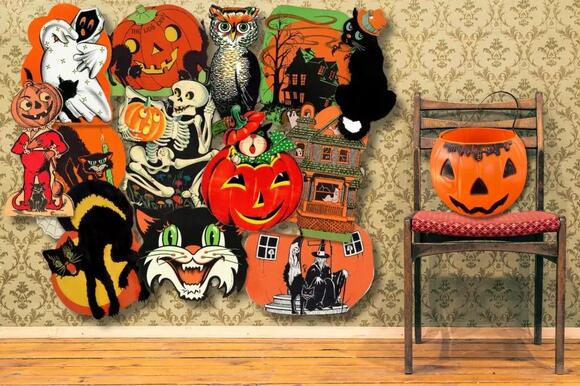
https://img.particlenews.com/image.php?url=3a6NBl_16AWZAiI00CherryMoonFactor via EtsyThese Paper Decorations That Had That Certain Look About ThemStrangely, Halloween decorations haven’t changed much since the ’50s. At some point, someone declared, “This is the Halloween screaming cat face,” and it just stuck. Made of only slightly laminated paper, it’s amazing how many years these things lasted.
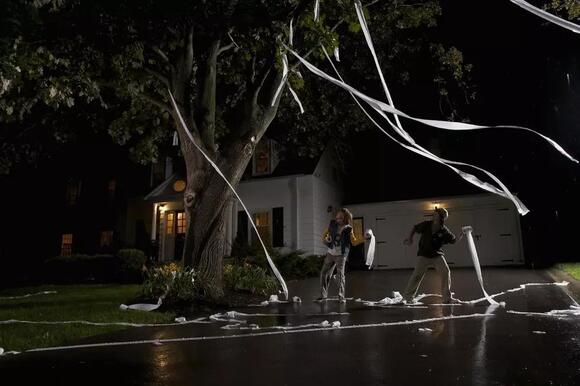
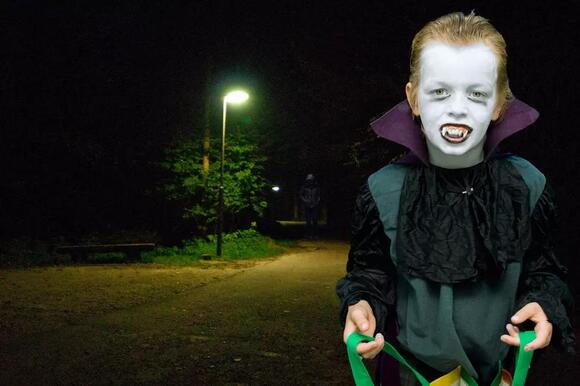
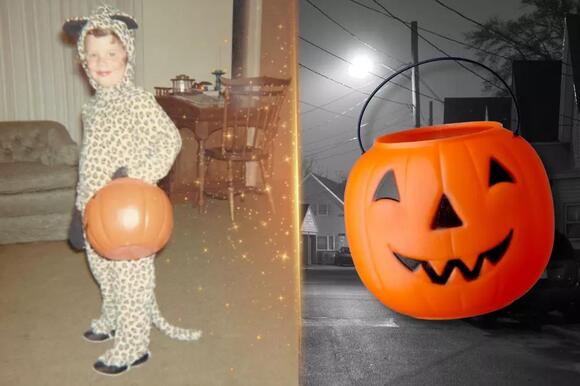
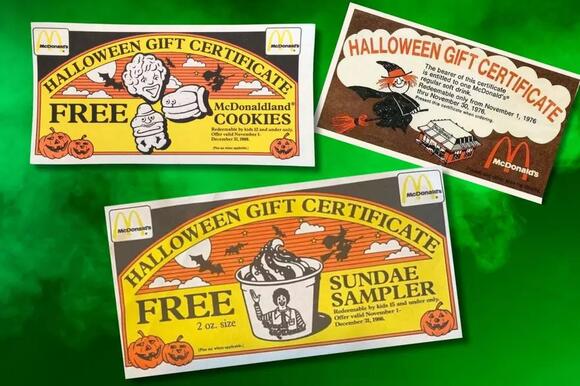
The slightly suped-up versions had metal brads that let the decorations have moving appendages, perfect for putting on a little puppet show as you hung them up. [Photo: CherryMoonFactor via Etsy] https://img.particlenews.com/image.php?url=1HPKsK_16AWZAiI00McDonald’s McDonald’s Halloween Gift CertificatesWhether they were for free cookies, cones, fries, or a sundae, these vouchers were absolute gold — and perfect for trading with younger siblings who wanted their treats NOW instead of later. Kids today have no idea how valuable these were. https://img.particlenews.com/image.php?url=0mNtx8_16AWZAiI00Darrin KlimekTricks, Treats and a Little Toilet Paper and Shaving Cream VandalismOnce the little kids had their fun, there was always that moment when the “big kids” headed out — and it was almost expected that at least one house in the neighborhood would end up TPed or sprayed with shaving cream. https://img.particlenews.com/image.php?url=091i9s_16AWZAiI00Getty ImagesNo Parents AllowedIt might be hard to believe, but ’80s Halloween was kind of like The Goonies. You waited for dark and ventured out on your own into the unknown. I distinctly remember trading candy with other roaming groups of kids under the glow of a streetlight — with not a parent in sight. https://img.particlenews.com/image.php?url=3AV0uf_16AWZAiI00Getty Images/CanvaThat Plastic Jack-o’-Lantern Bucket Every Family HadYou might still have that plastic pumpkin stashed in your basement or garage. Back in the day, nothing made you cooler than popping a flashlight inside it while roaming the dark streets in search of the house handing out full-sized candy bars and bags of chips.
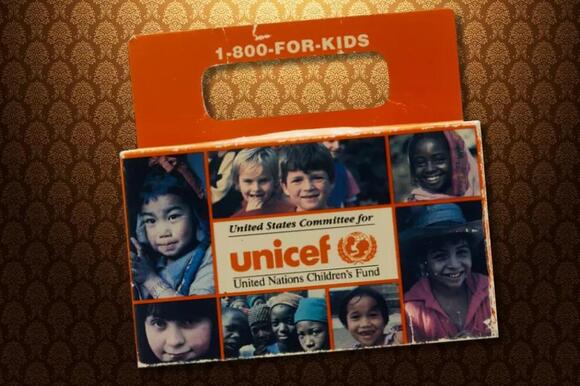
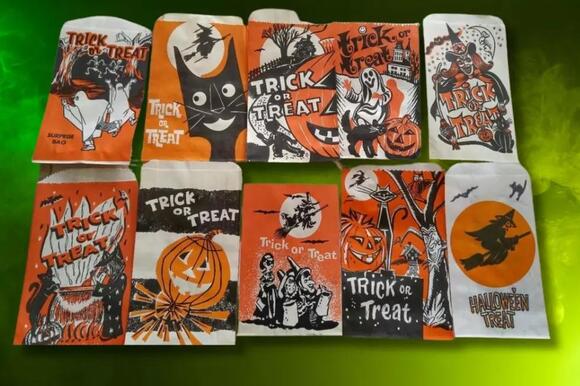
And of course, there was always that one kid who tried to wear it as an upside-down mask. https://img.particlenews.com/image.php?url=1hVgSt_16AWZAiI00Getty Images / CanvaThese Waxy Treat BagsMuch like Halloween decorations, these stayed the same year after year. Inevitably, they ended up on the ground, covering the neighborhood in a thick layer of mini paper bags. At some point, a kid figured out you could blow into one and pop it, and suddenly, Halloween night sounded like an all-out gang fight! https://img.particlenews.com/image.php?url=1KXcxT_16AWZAiI00UNICEFThat UNICEF Donation BoxHalloween was already a lot to think about as a kid, but then one year they decided to give us a job — collecting cash donations. I’m pretty sure not all of that money made it to the actual charity, but what do you expect when you hand a kid a box of cash while they’re also out begging for candy?
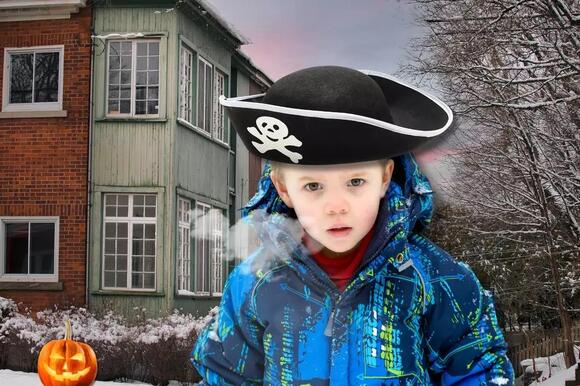
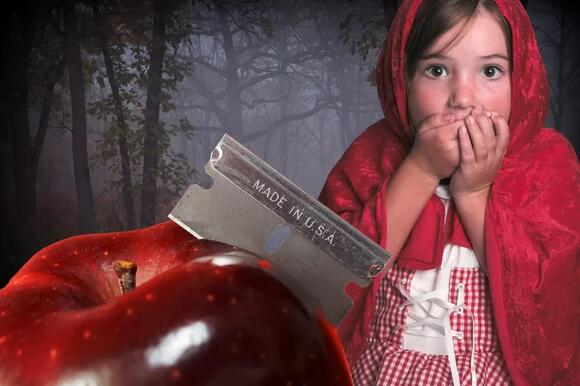
[NOTE: They still do this! Check out UNICEF’s website, where they say you can add “Some Meaning to Your Halloweening” which is pretty genius.] https://img.particlenews.com/image.php?url=1Zgiuv_16AWZAiI00Getty ImagesRazor Blades in ApplesSpeaking of apples… while our parents stayed home as we roamed the streets like candy-hungry wild dogs, they were more than happy to warn us that every 10th house might try to maim us with a razor blade hidden in an apple. Not that we cared — getting apples was already a bummer (unless they were candy or caramel apples, but who’d go through that much trouble, anyway?). https://img.particlenews.com/image.php?url=3qVcO4_16AWZAiI00Getty ImagesThe Tragedy That Was Heavy Coats Over CostumesThis one is for those cold climate kids: That utter sense of disappointment when it was freezing cold on Halloween and you had to wear your stupid winter coat over your Freddy Krueger costume. Totally lame.
Click here to view photo gallery
LOOK: How Halloween has changed in the past 100 yearsStacker compiled a list of ways that Halloween has changed over the last 100 years, from how we celebrate it on the day to the costumes we wear trick-or-treating. We’ve included events, inventions, and trends that changed the ways that Halloween was celebrated over time. Many of these traditions were phased out over time. But just like fake blood in a carpet, every bit of Halloween’s history left an impression we can see traces of today. Gallery Credit: Brit McGinnis https://img.particlenews.com/image.php?url=3C58Et_16AWZAiI00Hulton Archive // Getty ImagesCelebrations close to the Earth
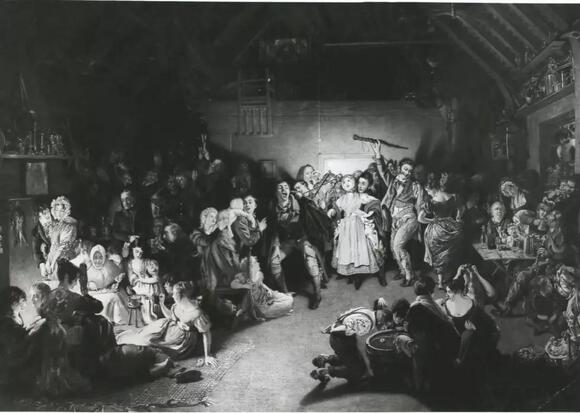
Halloween gained popularity in the United States in the 1840s by way of a massive Irish immigration to escape the Irish Potato Famine. The Pagan roots of the celebration may be what led to it being popular with farm communities and people looking to connect with the land as the seasons turned. Natural elements often showed up in costumes of this time.
https://img.particlenews.com/image.php?url=3pUhwF_16AWZAiI00Michael Ciranni // ShutterstockPranks leading the way

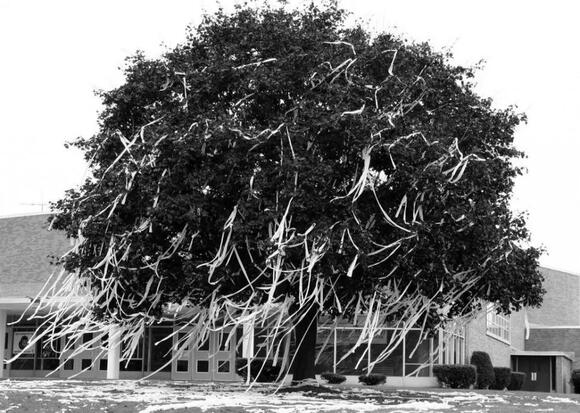
In past generations, Halloween was integrated closely with mischief—namely, pranks. Throwing cabbages and stealing garden gates were among the most popular shenanigans. Nowadays, well-known pranks like egging houses or hanging toilet paper from tree branches can result in hefty fines.
https://img.particlenews.com/image.php?url=1NlJij_16AWZAiI00Keystone/Hulton Archive // Getty ImagesRise in Halloween parties

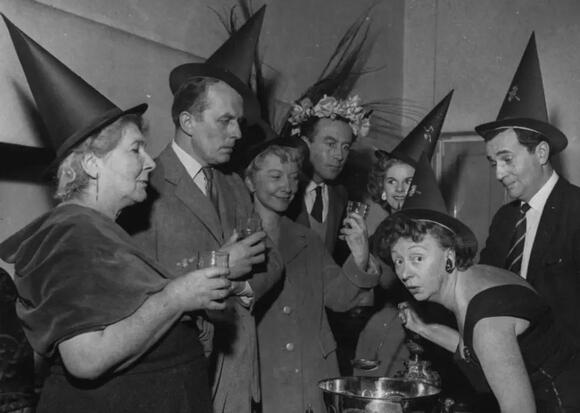
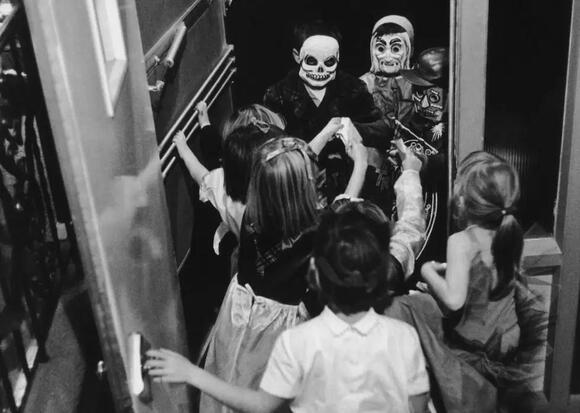
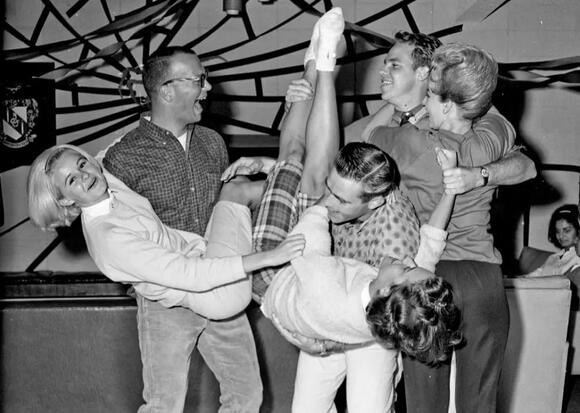
As Halloween gained popularity stateside, unique methods of celebration began cropping up. Parties by the 1930s were standard fare in Halloween festivities and by the 1950s, Halloween parties were mostly held at homes instead of in downtown centers: a byproduct of the baby boom at the time and the holiday being increasingly focused on children.
https://img.particlenews.com/image.php?url=0NtPWX_16AWZAiI00Express/Hulton Archive // Getty ImagesTransition from homemade to store-bought treats

If you were trick-or-treating in the 1940s or before, you would likely receive a popcorn ball, nuts, fruit, or money. Manufactured (and pre-wrapped) candy didn’t fully take off in the United States until the 1970s. Why? Parents were worried about the potential tampering of handmade treats.
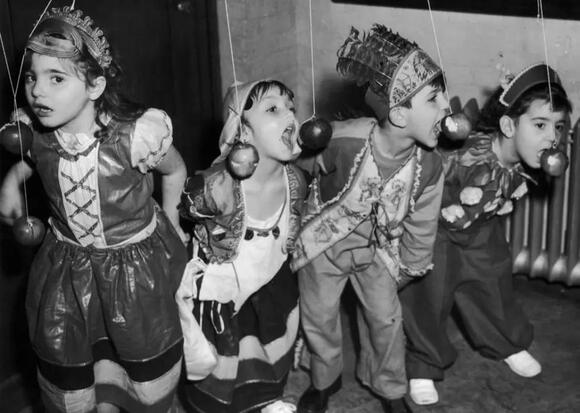
https://img.particlenews.com/image.php?url=3gpjIk_16AWZAiI00Keystone // Getty ImagesDecline in fortune-tellingHalloween’s origins run deep in superstition, with fortune-telling starting traditions like bobbing for apples. Oftentimes, predicting the future included rituals to reveal the name of a person’s future spouse. Today, you’re more likely to find your fortune in a loaf of Barm Brack (traditional Irish Halloween bread) than a game at a Halloween party.
https://img.particlenews.com/image.php?url=1s8Afi_16AWZAiI00Hulton Archive // Getty ImagesThe introduction of Halloween’s favorite pumpkin

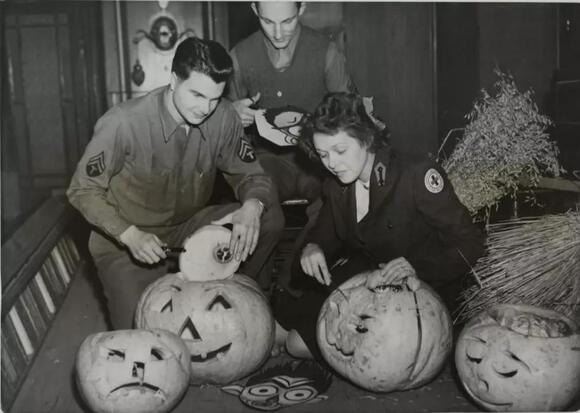
Irish immigrants who introduced Halloween to America chose to carve pumpkins instead of their traditional turnips, echoing the legend of a cursed man who navigated his way with a light in a turnip. It wasn’t until the 1960s that America would see the Howden pumpkin, a pumpkin bred especially for Halloween carving. Its shallow flesh and sturdy stem make it perfect for carving—but not ideal for eating.
https://img.particlenews.com/image.php?url=00869S_16AWZAiI00London Stereoscopic Company // Getty ImagesSecularization of Halloween

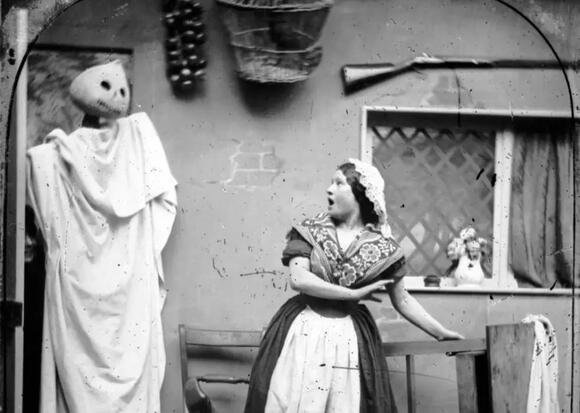
Halloween was originally a religious holiday for Druids, and is still celebrated as such by Wiccans. The surrounding days were also claimed as Catholic holidays centered on honoring the dead. But pushes in America to take away “evil” elements of Halloween made the holiday more about candy than evil spirits.
https://img.particlenews.com/image.php?url=08GlJO_16AWZAiI00Lance Nix // FlickrThe rise of Halloween music

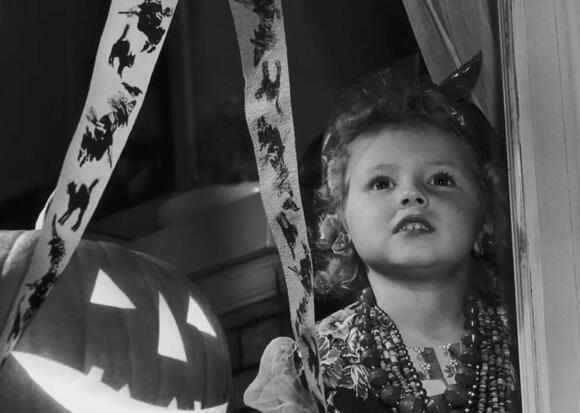
1962 was the year of “The Monster Mash,” a novelty song about the spontaneous party in a mad scientist’s lab. The resurgence in Halloween parties vaulted the popularity of songs like “Haunted House” and the oft-covered “I Put a Spell on You.”
https://img.particlenews.com/image.php?url=1Z92Bz_16AWZAiI00Joe Clark/Hulton Archive // Getty ImagesIncreased Halloween spending

The days of paper and crepe costumes and homemade treats are largely behind us. In 2019, Americans spent roughly $8.8 billion on the holiday. In light of a sagging economy due to COVID-19, in 2020 that number is expected to fall to $8 billion in Halloween spending overall.
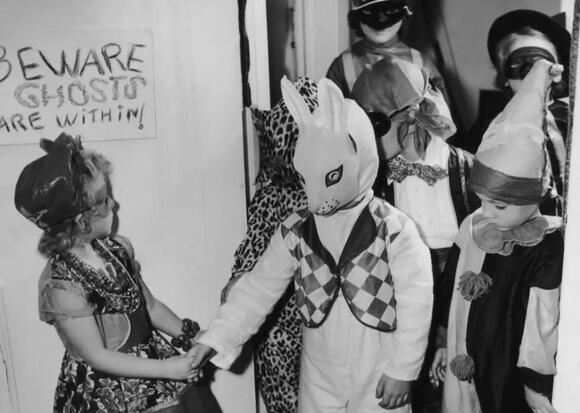
https://img.particlenews.com/image.php?url=2aDlty_16AWZAiI00Joe Clark/Hulton Archive // Getty ImagesRise of manufactured costumesUntil the 1920s, most Halloween costumes were handmade by the costume wearer or their family. This all changed in the 1920s with the advent of manufactured costumes from companies like Ben Cooper, Collegeville Flag and Manufacturing Company, and H. Halpern Company. Ben Cooper, in particular, gained Halloween popularity through the production of officially licensed costumes of popular characters.
https://img.particlenews.com/image.php?url=23n1fI_16AWZAiI00Malikhpur // Wikimedia CommonsThe decline of ‘soul cakes’

The signature offerings for Halloween before candy were homemade soul cakes. They were tied closely to the Catholic roots of Halloween, and were symbolically given in exchange for prayers. These days, soul cakes are few and far between—although they’re still baked on Halloween in certain parts of Europe.
https://img.particlenews.com/image.php?url=2Y8Xtq_16AWZAiI00Rawpixel.com // ShutterstockIncreased trick-or-treating safety concerns

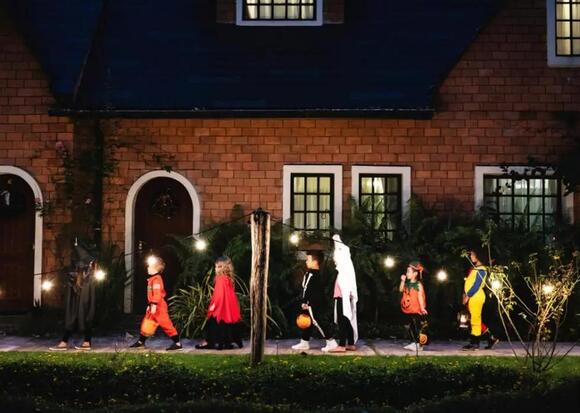
In 1982, a rash of poisoning deaths were tied to Tylenol pill bottles suspected of post-manufacturing tampering. The case was never solved, which inspired a wave of fear around trick-or-treating to the point where some towns in American banned it completely. Parents since have worried about razor blades, cyanide, and cannabis in Halloween candy—though most incidents of tampered candy are reported to be hoaxes.
https://img.particlenews.com/image.php?url=0fXwo6_16AWZAiI00Tim Boyle/Newsmakers // Getty ImagesRise of latex masks

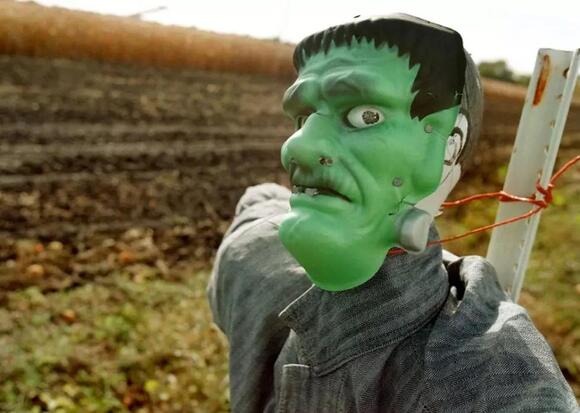
Through the 1950s and 1960s, plastic masks with elastic bands were the norm for Halloween. They were cheap to produce and could resemble any character a child wanted to be. The game changed when vacuum-formed latex masks came on the market.
https://img.particlenews.com/image.php?url=198Fux_16AWZAiI00Jinx! // FlickrThe rise of trunk-or-treating

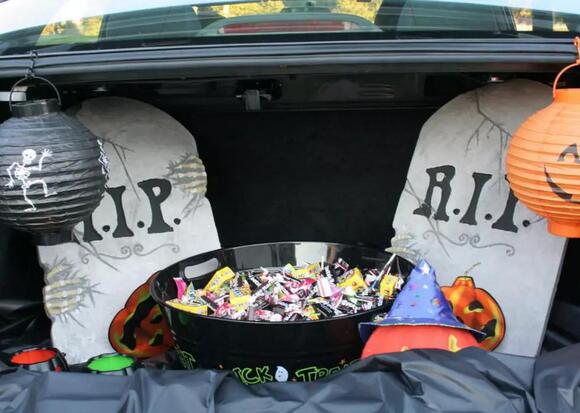
Emerging in the 1990s, trunk-or-treat events emerged as a safer alternative to trick-or-treating. Children gather candy from the opened trunks of cars parked together in a designated parking lot. The practice can inspire creative car decorations and has been nicknamed “Halloween tailgating.”
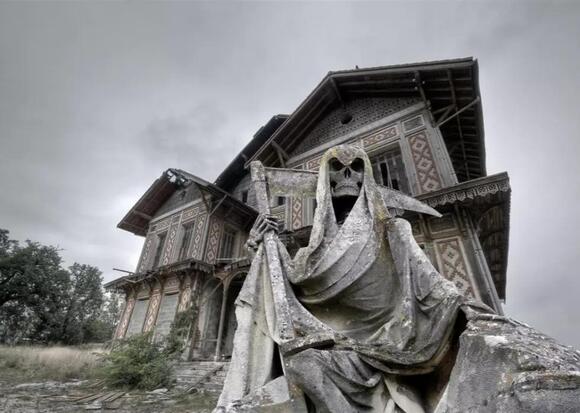
https://img.particlenews.com/image.php?url=3KaVr0_16AWZAiI00Fabien Monteil // ShutterstockThe rise of haunted housesThe first haunted houses open to the public opened in 1915, but their Halloween heyday arrived during the Great Depression. People built primitive haunted houses that wound through basements and spooked local children. They were a great attraction for local children—and a great alternative to destructive pranks.
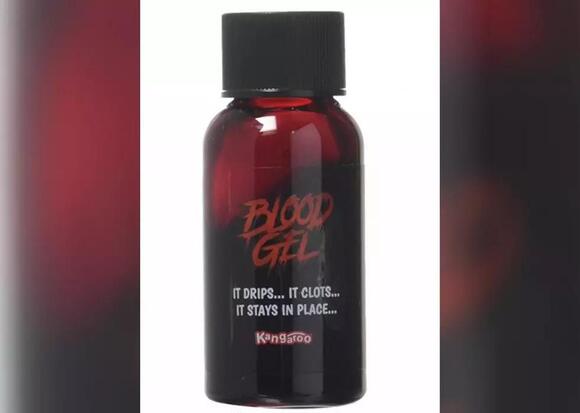
https://img.particlenews.com/image.php?url=3CA23K_16AWZAiI00KangarooFake blood becomes a costume option

The hyper-realistic fake blood we think of from movies like “The Shining” came about in the 1960s, invented by pharmacist John Tinegate. Nicknamed Kensington Gore, it launched re-formulations of fake blood that would appease audiences of horror movies in color. Today, most fake blood (including the kind you might buy from the Halloween store) is made with corn syrup.
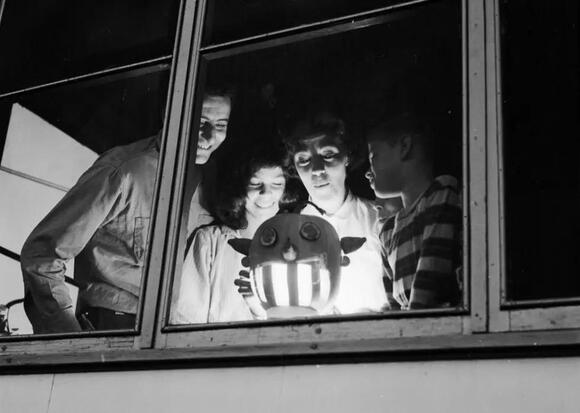
https://img.particlenews.com/image.php?url=0Iiihc_16AWZAiI00Sherman/Three Lions // Getty ImagesTrick-or-treating stops—and is revived

Thanks to sugar rationing in America, Halloween candy all but disappeared during World War II. Communities celebrated the holiday how they could. After the war, cartoons like “Peanuts” reintroduced the idea of trick-or-treating to American children.
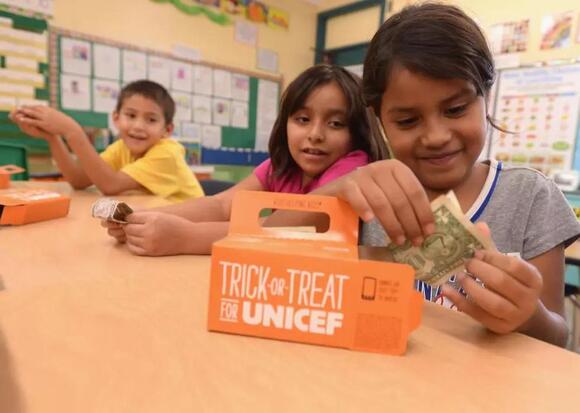
https://img.particlenews.com/image.php?url=3rgyZe_16AWZAiI00Michael Buckner // Getty Images for UNICEFEmergence of Halloween charities

Charity balls are an elegant Halloween event in many regions of the United States. UNICEF introduced the Trick-or-Treat for UNICEF program in 1950 to promote their message of “children helping children” on a more local level (and provide a candy-free activity for children). Spirit Halloween stores initiated the Spirit of Children charity for children’s hospitals in 2006.
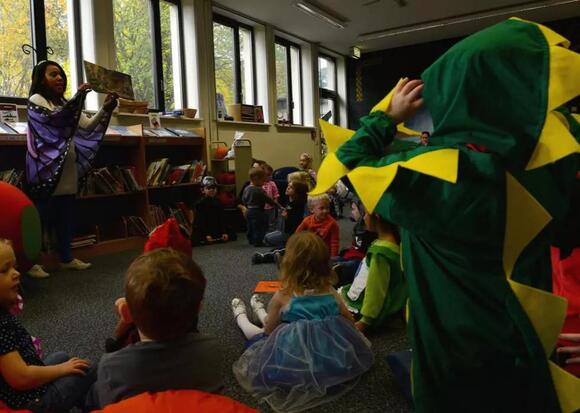
https://img.particlenews.com/image.php?url=0XJtS9_16AWZAiI00Airman 1st Class Tryphena Mayhugh // U.S. Air Force photoCostume restrictions in public schools

The 2010s saw an uptick in schools banning students from wearing certain costumes to school, often on the basis of sensitivity or the separation of church and state. 2016’s creepy clown sightings led schools across America to bar students from dressing as clowns for Halloween.
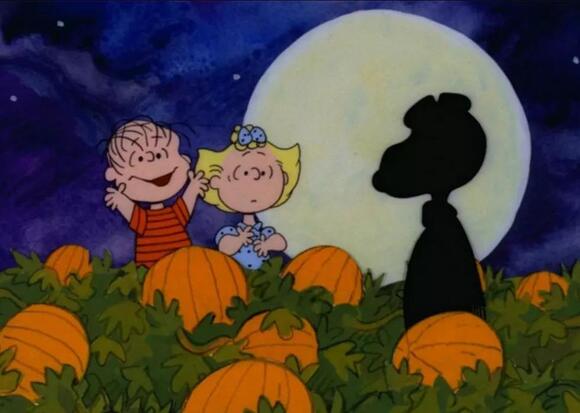
https://img.particlenews.com/image.php?url=3HFtsX_16AWZAiI00ABCThe rise of Halloween-themed TV specialsWhen “It’s the Great Pumpkin, Charlie Brown” debuted in 1966, the broadcasters probably had no idea they were starting a trend. The tradition has continued with annual airings of “Hocus Pocus” and “Halloweentown” by television networks. “The Simpsons” made a name for themselves with their annual Treehouse of Horror Halloween specials.
https://img.particlenews.com/image.php?url=1FNFln_16AWZAiI00Bryan Bedder // Getty Images for YandyAdult costumes

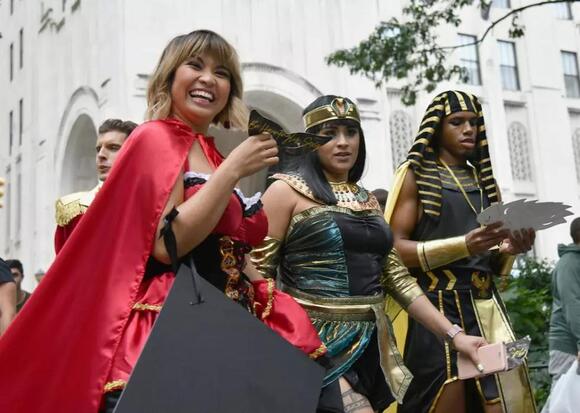
Dressing up as a salacious version of a cat, a ketchup bottle, or even Mr. Rogers feels like a very modern shift. The tradition actually began in the 1970s with the LGBTQ+ community in New York City. Greenwich Village’s annual Halloween Parade was the birthplace of the tradition, where it then went on to infiltrate general Halloween culture.
https://img.particlenews.com/image.php?url=2n6Oan_16AWZAiI00Juan Camilo Bernal // ShutterstockRise of Halloween theme park events

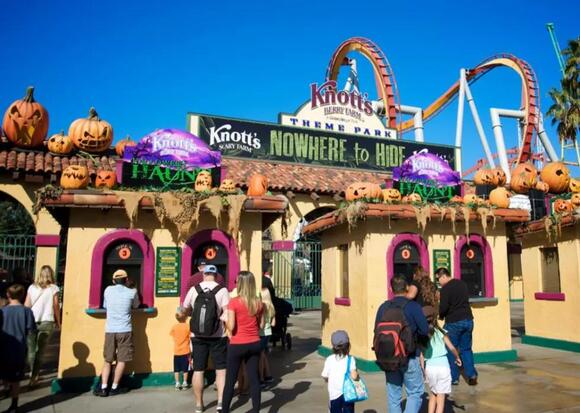
Knott’s Berry Farm in 1973 decorated the theme park for temporary Halloween events and experiences. Knott’s Scary Farm would go on to inspire other seasonal theme park events. Six Flags puts on Fright Fest annually, and Disneyland decorates the Haunted Mansion every year in true nightmare fashion.
https://img.particlenews.com/image.php?url=0XoKNh_16AWZAiI00Rawpixel.com // ShutterstockHigh participation in candy distribution

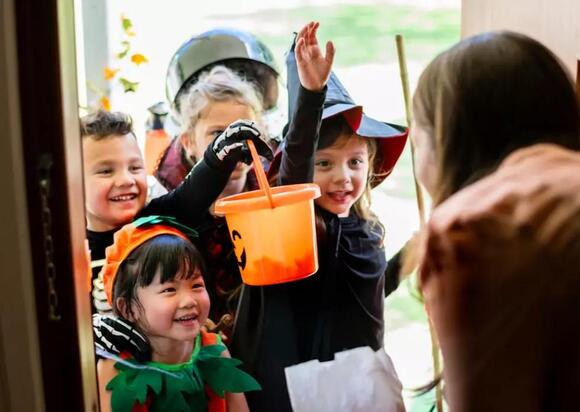
People may remember houses in their neighborhoods growing up that didn’t celebrate Halloween, opting to shut off outside lights to signal that treats would be found elsewhere. But those houses have become rarer with time. In 2020, the National Retail Federation projects that 62% of American consumers plan to hand out candy.
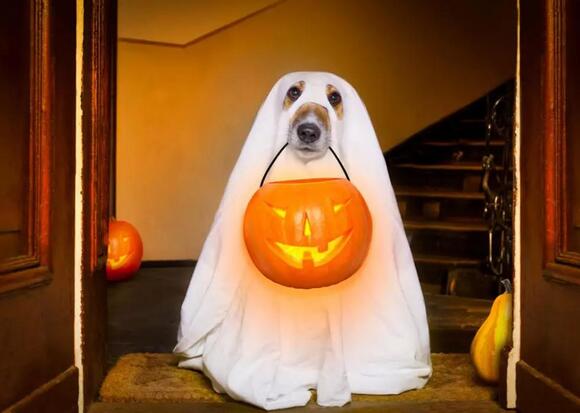
https://img.particlenews.com/image.php?url=4G7Zof_16AWZAiI00Javier Brosch // ShutterstockIncrease in dressing up pets

Why not let Fido and Fluffy join in on Halloween fun? Dressing up pets in costumes may date back to 327 B.C. in China, but doing it for Halloween has only become more popular with time. In 2019, 29 million people plan to dress their pets in Halloween costumes, according to a survey by the National Retail Federation.
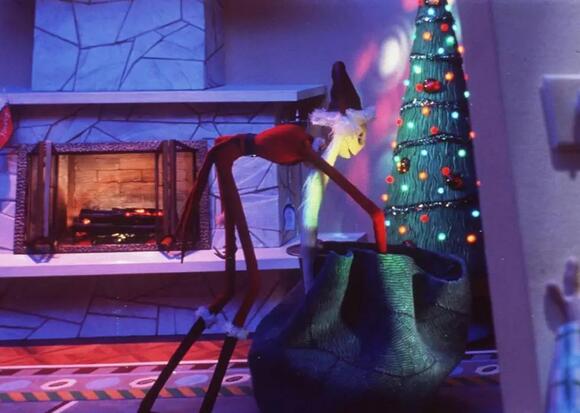
https://img.particlenews.com/image.php?url=3VEfqj_16AWZAiI00Joel Fletcher/Online USA // Getty Images’The Nightmare Before Christmas’ rewrites Halloween originsThe release of “The Nightmare Before Christmas” in 1993 introduced a new reason behind the season. No longer was this a holiday celebrating fall and treats (the religious meanings long out of favor). Children growing up in the 1990s now thought of Jack Skellington, the Pumpkin King, initiating Halloween every year from Halloween Town.
https://img.particlenews.com/image.php?url=1oxWpR_16AWZAiI00TaylorHerring // FlickrBanning Halloween from public schoolsThe late 2010s saw a wave of schools outright banning Halloween costumes and celebrations from school grounds, sometimes opting for “harvest” celebrations instead. The most frequent reasons for the bans were safety, the fear of scaring children, or general exclusivity. https://img.particlenews.com/image.php?url=2DYdUl_16AWZAiI00jessica wilson // FlickrResurgence of homemade costumes

Homemade costumes have seen a recent resurgence in popularity, likely thanks to the growth of Pinterest, Ravelry, and niche communities centered around crafting. Social media and popular parenting blogs may also be a contributing factor.
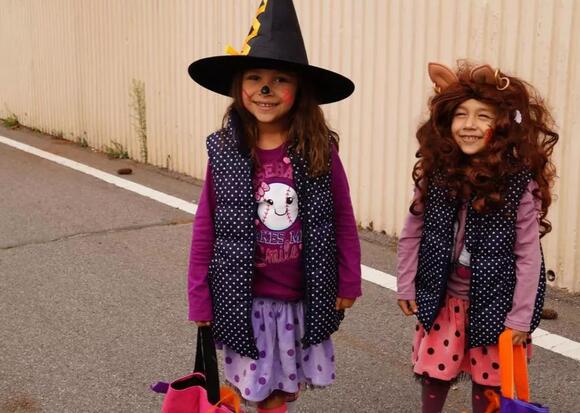
https://img.particlenews.com/image.php?url=01kvaM_16AWZAiI00U.S. Army Garrison Casey // FlickrPush for politically correct costumes

The conversation around Halloween has shifted in recent years to costumes that did not offend. Schools have instituted guidelines and warnings to students, while criticism from some social commenters claims the holiday has become too political.
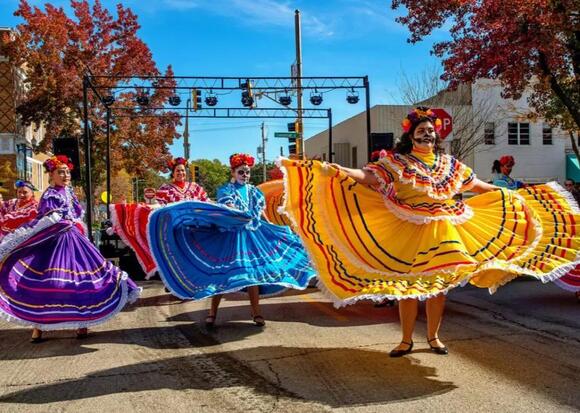
https://img.particlenews.com/image.php?url=0mmUAP_16AWZAiI00mark reinstein // ShutterstockIncreased awareness of Dia de Los Muertos

Perhaps thanks to a growing Hispanic population in the United States (and films like “Coco” and “The Book of Life”), there’s been a rising awareness of the Mexican holiday of Dia de Los Muertos. Taking place on Nov. 1 and 2 of every year, this festival honoring deceased loved ones is often celebrated in tandem with Halloween.
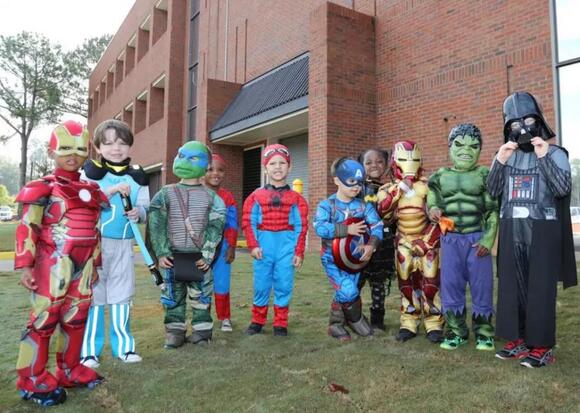
https://img.particlenews.com/image.php?url=3InrJk_16AWZAiI00Robin Berry // USMCRise of superhero costumesThe National Retail Foundation reported in 2019 that for the first time in 16 years, superheroes beat out princesses for the most desired children’s Halloween costume. It’s back to princesses in 2020, with more than 2.7 million children dressing as princesses, more than 1.8 million as Spiderman, more than 1.6 million as superheroes, more than 1.3 million as a ghost, and 1.3 million as Batman.