
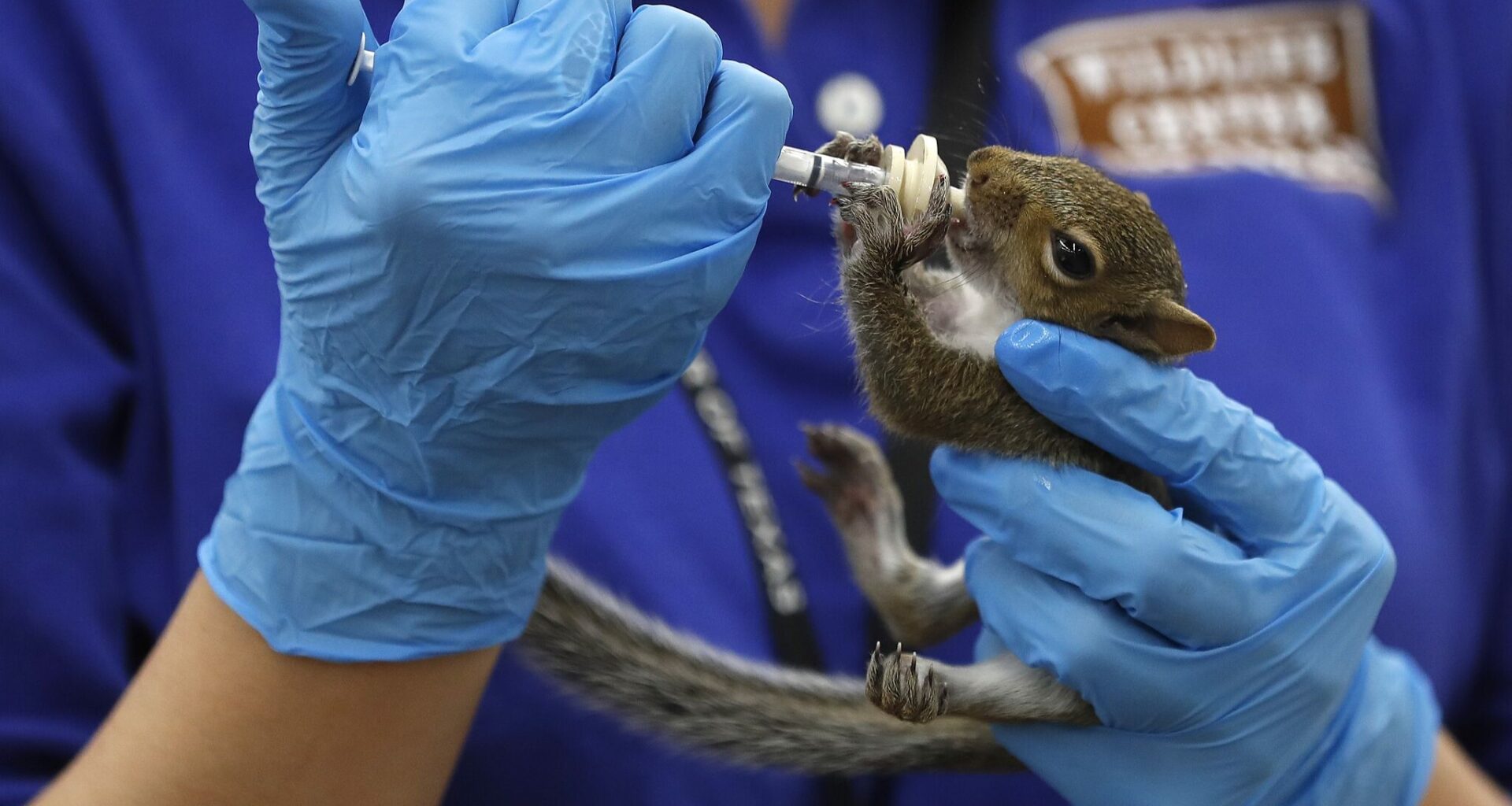
The Texas Parks and Wildlife Commission approved sweeping changes to the state’s rehabilitation program despite widespread opposition during the public comment process.
Houston Chronicle
Wildlife rehabilitators across Texas are divided after the Texas Parks and Wildlife Commission unanimously approved sweeping changes to the state’s wildlife rehabilitation program on May 29, despite overwhelming opposition during the public comment process.

The new rules, which won’t take effect until Sept. 1, 2027, are intended to professionalize wildlife rehabilitation, strengthen oversight and create a clearer pathway for training future rehabilitators. But critics warn the changes could reduce capacity at a time when Texas already struggles to meet the public’s wildlife rescue needs.
Article continues below this ad
A higher bar for new rehabilitators
Texas Parks and Wildlife officials said the current system allows someone to become a permitted wildlife rehabilitator by watching a two-hour training video and passing a 10-question exam.
“Wildlife rehabilitation has evolved into a highly complex and technical field,” Richard Heilbrun, deputy director of TPWD’s Wildlife Division, told commissioners. “We have many experienced rehabbers that are talented and knowledgeable, but in thinking about the future, there is very little way for us to transfer that knowledge to new rehabilitators.”
The adopted rules require future permit applicants to gain hands-on experience before receiving their own permit, create new permit tiers based on experience, require a veterinary consultation relationship and increase continuing education requirements.
Article continues below this ad
One of the most debated provisions requires aspiring rehabilitators to log 600 hours of experience as a subpermittee over at least two years before obtaining their own permit. Staff originally proposed 800 hours, but commissioners reduced the requirement before approving the package.
The rules also cap the number of subpermittees and satellite facilities that most rehabilitators can oversee. TPWD staff said the limits were increased after months of public feedback, with experienced Type C permit holders ultimately allowed up to 15 subpermittees or satellite facilities.
Heilbrun said the agency received 1,403 public comments, with just 5 percent supporting the proposal, 87 percent opposing it entirely and 7 percent objecting to specific provisions.
Article continues below this ad
Supporters say standards are overdue
Supporters argued the changes are necessary to improve standards and accountability.
“You cannot be a profession without quality standards,” said Jules Maron, executive director of Austin Wildlife Rescue. “This is not about limitation. This is about elevation to the professional level that wildlife rehabilitation deserves.”
Wildlife rehabilitators across Texas are split over newly approved state regulations that will change training, permitting and oversight requirements beginning in 2027.
Houston Chronicle
Veteran rehabilitator Kate Rugroden, of Bat World Sanctuary, said continuing education is essential to quality care.
Article continues below this ad
“If we have no standards and no requirements to continue to learn and to improve our methods and techniques, we are no better than the average layperson who takes in an animal with no prior knowledge and experience,” she said.
Opponents warn of reduced capacity
Opponents argued the rules would make it harder for smaller organizations to expand. Jenna Ross, co-founder of Fort Bend Wildlife Rescue, said the proposal leaves “no place for creating a starting small or medium-sized center,” while vice president Kristi Norman warned limits on satellite rehabilitators could increase costs and reduce capacity.
Houston-area rehabilitator Albert Bryant said he supports portions of the proposal but believes apprenticeship requirements and permit tiers still need refinement.
Article continues below this ad
“The big thing we need to think about is the animal,” Bryant said. “We need to save Texas animals.”
The vote drew immediate criticism from some rehabilitation groups.
Texas Blessings Rescue called the outcome “an absolute travesty of the democratic process” and criticized commissioners for approving the proposal despite what the group described as a 95 percent public disapproval rate.
In a Facebook post, the group argued the state is already struggling to attract younger rehabilitators and said the new requirements could create additional barriers for people interested in joining the field.
Article continues below this ad
Fort Bend Wildlife Rescue said it was “obviously disappointed” by the vote and argued the changes could hamper plans for a future wildlife center in Fort Bend County.
The organization said it had hoped commissioners would send the proposal back for additional revisions after public support dropped from 6 percent to 5 percent before the vote.
While TPWD increased the number of satellite facilities allowed under some permit types, the group said some rehabilitators would still be forced to reduce the number of satellites operating under their permits.
Article continues below this ad
TPWD officials noted that about 80 percent of rehabilitators already have 15 or fewer subpermittees, while roughly 92 percent have 15 or fewer satellite facilities, meaning only a small share of permit holders would be directly affected by the caps.
Commission Chairman Paul Foster said the delayed implementation date should provide a lengthy transition period for rehabilitators to adapt.
“The thing that gives me some comfort is knowing that there’s an on-ramp or an off-ramp,” Foster said before the vote. “I’m not going to wake up tomorrow morning and have a bunch of subpermittees unable to do their work.”
Article continues below this ad