
Tesla Inc. CEO Elon Musk has said the company will have a widespread fleet of robotaxis in the U.S. by the end of the year. But it has yet to achieve a widespread fleet even in Austin, where it launched its first robotaxi service almost a year ago.
The Austin automaker, robotics and battery company has just 42 vehicles operating as robotaxis in Austin, Dallas and Houston, according to its first report under a new state law regulating driverless vehicles. About 25 of those are on the road in Austin, according to data from an online dashboard tracking self-driving vehicles.
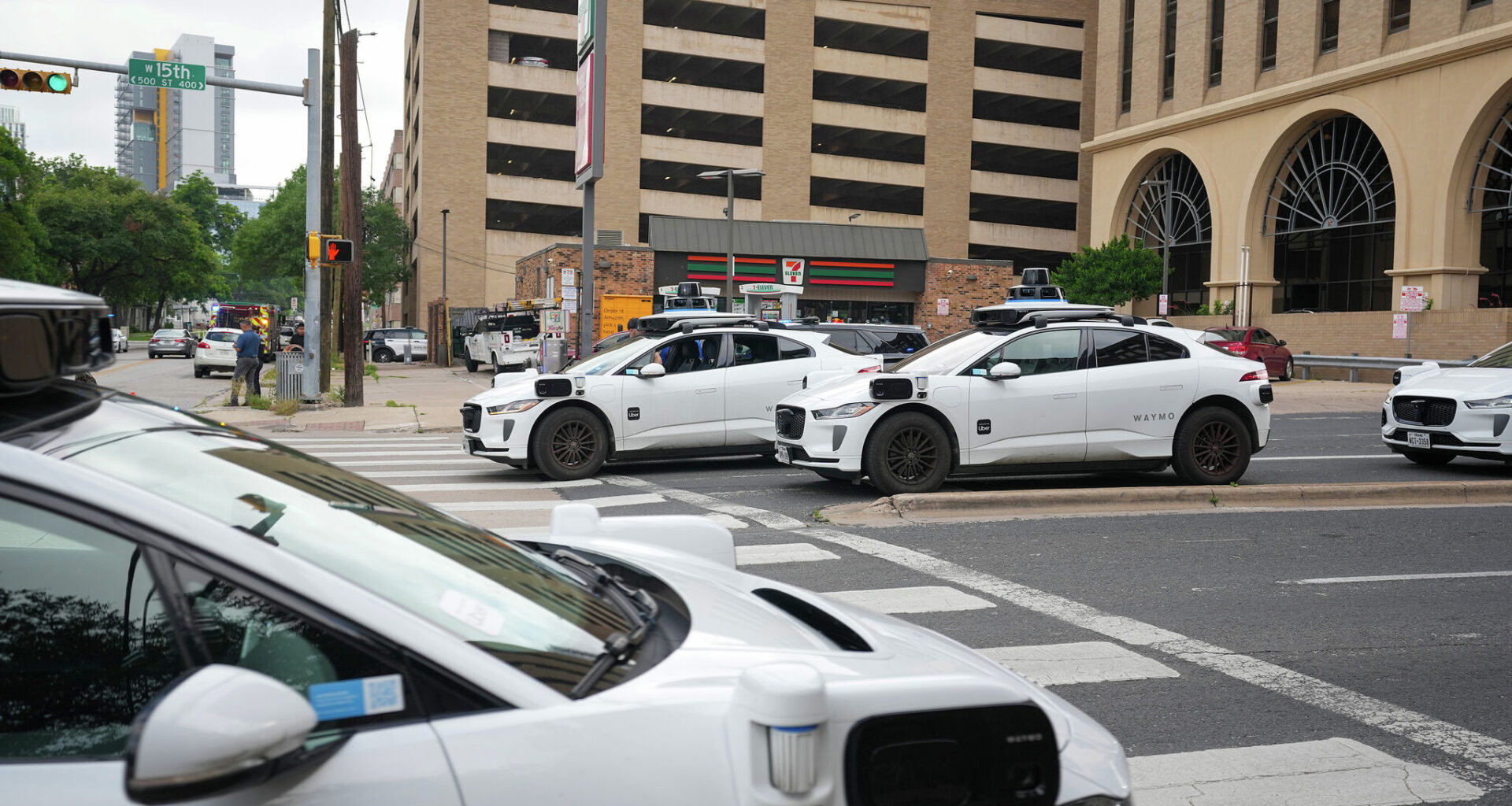
That means Tesla has a long road ahead to catch up to Waymo, the robotaxi industry leader, which told the Texas Department of Motor Vehicles it’s operating 577 robotaxis across Texas. The company has said about 300 of those are in Austin, where it launched in March 2025.
Tesla expanded its service to Dallas and Houston in April. Waymo began operating in those cities in February.
Tesla’s fleet of Robotaxi-branded Model Ys is also dwarfed by that of Austin-based Avride, which has 317 registered autonomous vehicles. While it offers passenger rides in Dallas, it’s still testing in Austin.
Tesla’s fleet only outnumbers that of Amazon’s Zoox, which started testing its purpose-built robotaxis in Austin in recent weeks. Zoox’s fleet is 35, only a few shy of the count Tesla has after launching its service in June 2025.
Officials of Waymo, which has a total of 3,000 vehicles across its fleet, said in a recent interview that its scale matters a lot and that it’s continuing to grow fast. It intends to deploy in 21 more cities this year, including international cities such as London and Tokyo.
“We’re expanding in more cities and expanding our services in freeways as well as airports, which we’re very excited about,” said Shweta Shrivastava, senior director of product management. “And the point of all of this is real-world deployment is what sets us apart. We have the battle scars, if you will, of what it takes to not just build the technology but deploy it in the real world and then go through all the motions and experiences that only a real-world deployment at scale can bring.”
Those battle scars include 75 crashes in Austin, according to reports to federal safety regulators. Operating their smaller fleets, Tesla has racked up 17 crashes and Avride 20.
The technology powering each of the services has also faced setbacks or regulatory scrutiny. Earlier this month, Waymo issued a recall after one of its autonomous vehicles drove into floodwaters in San Antonio and was swept away. The Full Self-Driving technology behind Tesla’s robotaxi operations requires labor-intensive safeguards that cast doubt on its ability for broad deployment, Tesla staffers recently told Reuters. Its Robotaxis in Austin still usually arrive with a front-seat safety monitor. And Avride is being investigated by federal regulators after a series of crashes related to lane changes into other vehicles and failing to avoid objects in the road.
The new Texas law took effect Sept. 1, and the authorization process associated with it became enforceable Thursday. Now, aspects of a 2017 framework governing autonomous vehicles have been relaxed, removing much of municipalities’ ability to regulate AVs within city or county limits.