
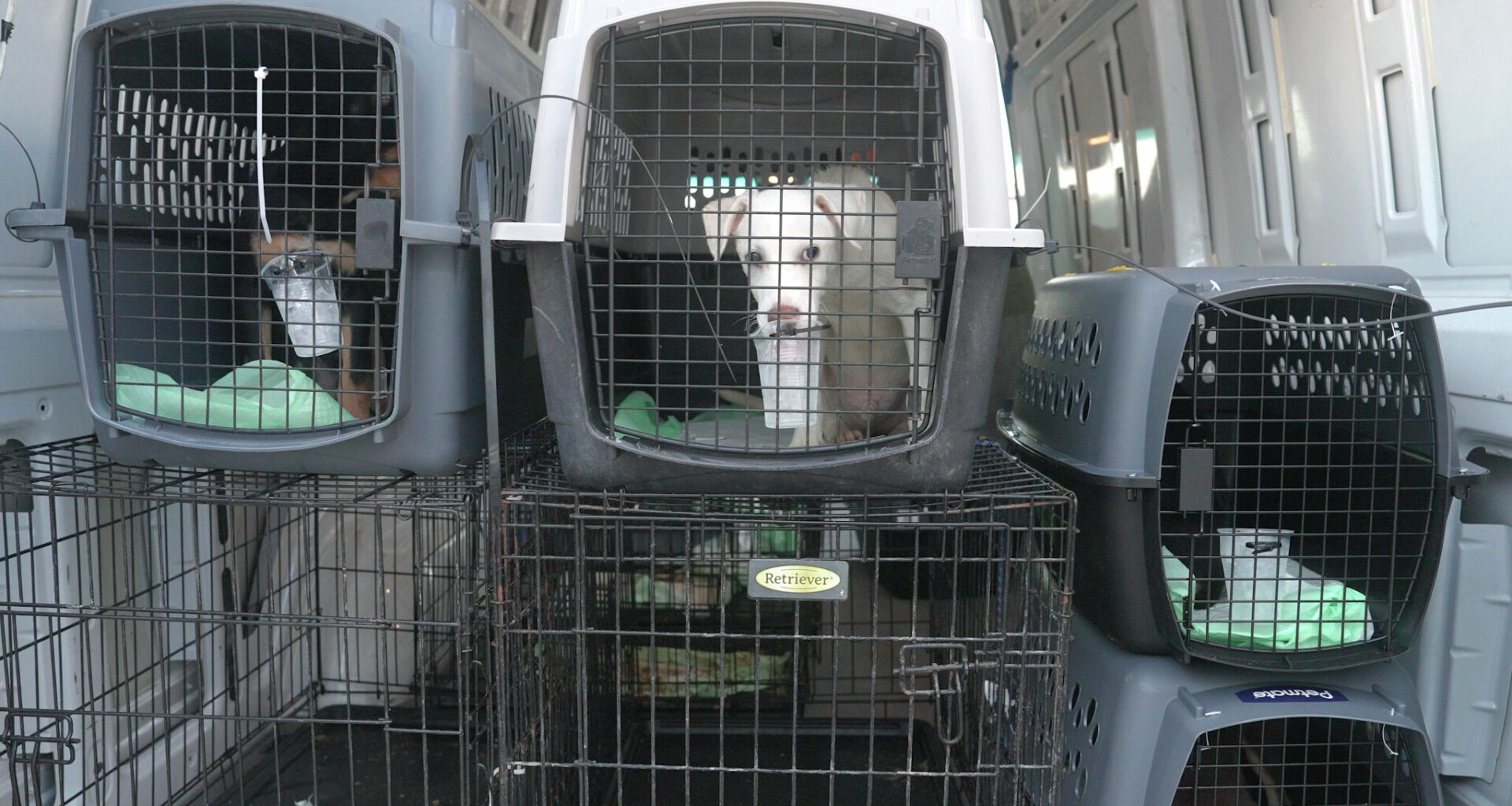
While Houston prepared for soccer fans to fly in from around the world, 160 dogs and cats were airlifted out of our city by rescue groups, as editorial board member Sharon Steinmann documented in her column this week. That’s because Houston has a persistent and dangerous problem of loose and stray canines — one that threatens to disrupt the World Cup celebrations that start in just a few weeks.
Nothing wrong with tidying up in a rush just before having company over, but Houston shouldn’t have to wait for the prospect of tourists seeing our dog overpopulation problem to get some attention. The ongoing 2027 budget process at City Hall provides a prime opportunity for our municipal leaders to show they’re listening when neighborhood groups speak out about the very real public safety threat posed by roaming dogs. This is the time to show they’re paying attention to each devastating headline about Houstonians getting mauled, sometimes to death.
Municipal budgets are tight. The city’s Bureau of Animal Regulation and Care, known as BARC, is severely underfunded. There are no illusions that City Hall has the immediate fiscal capacity — or political will — to provide the resources necessary to truly address this decades-long problem. On a per capita basis, Houston spends roughly half of what other Texas cities expend on average to animal services. That probably won’t change without a property tax rate increase or another new revenue stream. But the mayor and council members can at least find some extra funds to make a gesture of good faith. A few more hires for BARC animal enforcement, for example, would be a drop in the bucket, but that would show that City Hall cares about communities grappling with loose and stray dogs — even after the soccer crowds fly home.
And it wouldn’t be an unprecedented move. Last year, City Council directed an extra $350,000 out of the General Fund Ending Balance to maintain professional kennel cleaning services at BARC. In 2023, council members transferred $500,000 to BARC to buy a new adoption trailer and animal enforcement vehicles. Let’s see if City Hall can do even better for 2027.
Meanwhile, Mayor John Whitmire also needs to start thinking about how his former legislative colleagues up in Austin can help our city — and others — come up with a systemic solution to underfunded animal control efforts. During the previous session, Texas lawmakers dedicated $13 million for spay and neutering programs throughout the state. An important step, but more is needed. No city or county agencies appear on the state’s list of contractors awarded funding.
Part of the answer needs to be stricter laws limiting the irresponsible breeding and selling of dogs. We already have more strays than Houstonians can readily adopt, and puppy mills only funnel more into the pipeline.
Here’s another idea: The Legislature can create a sales tax diversion dedicated to funding local animal control. The state implemented a similar mechanism to direct sales taxes on certain sporting goods to support the Texas Parks and Wildlife Department — which voters later reinforced with a constitutional amendment. How about diverting existing sales taxes that Texans are already paying on pet supplies to this worthy cause? Instead of the money disappearing in the general funds, those resources could be directed to fund BARC Houston, Harris County Pets, and other local efforts dedicated to animal welfare and community safety.
Those things should be priorities every day. Not just when company’s coming.