
Just two days after federal officials confirmed the first New World screwworm case in Texas in decades, a second infected animal has now been identified in the same region of South Texas.
According to Reuters, the U.S. Department of Agriculture confirmed Friday that a one-month-old calf in Zavala County tested positive for the flesh-eating parasite. The second case was detected roughly 5.6 miles from the first confirmed Texas case announced earlier this week.
The USDA said the latest infestation was discovered after officials tested multiple suspected cases in the area.
“APHIS and Texas Animal Health Commission officials are continuing to collect and test other samples from the surrounding area which have come back negative,” the agency said in a statement.
The new case marks another setback for Texas ranchers and state officials who have spent months preparing for the parasite’s arrival as it steadily moved north through Mexico.
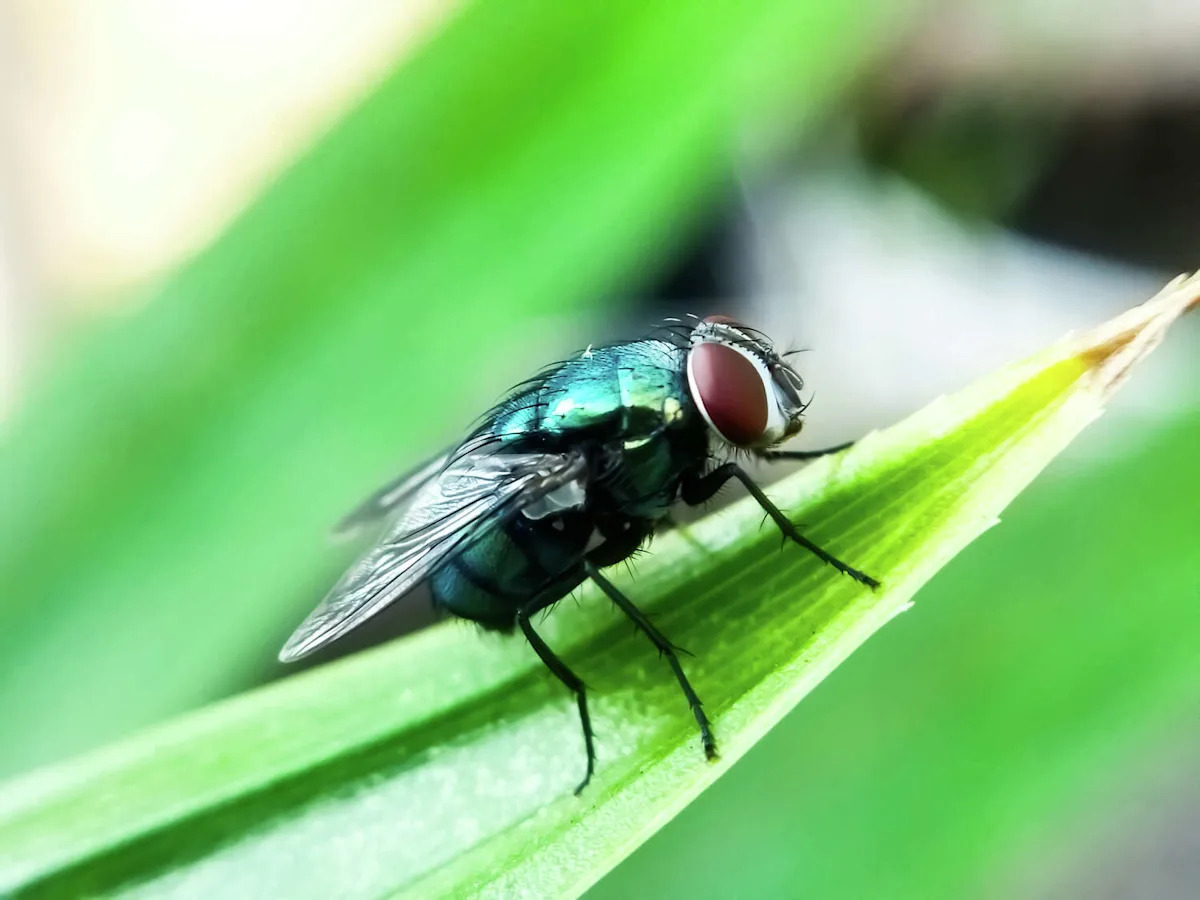
New World screwworm is a parasitic fly whose larvae feed on living tissue. Female flies lay eggs in open wounds or body openings of warm-blooded animals. Once hatched, the larvae burrow into flesh and can cause severe injury or death if left untreated.
The parasite was eradicated from the United States decades ago, but agricultural officials have warned for months that its continued spread through Mexico posed a growing threat to Texas livestock and wildlife.
Gov. Greg Abbott has already issued a statewide disaster declaration related to the screwworm threat and on Friday announced additional state resources would be deployed to help contain the parasite and support response efforts in South Texas.
State officials also emphasized the outbreak does not pose a food safety risk to consumers.
“What we’re dealing with is an infestation of animals. However, there is no food safety issue, full stop,” Abbott said during a Friday news conference. “Food production issue, but not a food safety issue.”
Federal officials have invested heavily in prevention efforts, including expanded trapping programs, livestock monitoring and the release of sterile flies designed to interrupt the parasite’s reproductive cycle.
While officials stress the confirmed cases remain localized, the discovery of a second infected animal so close to the first case is likely to intensify monitoring efforts across South Texas as ranchers and wildlife officials work to prevent further spread.
More News
HPD | Houston mayor says city police force larger than ever
Expansion | 500-home community planned for Hockley near Houston
Revivals | Bed Bath & Beyond returns from the dead in Texas
Upgrades | Some of Houston’s most busted sidewalks are finally getting fixed
For the latest and best from Chron, sign up for our daily newsletter here.
This article originally published at Texas just confirmed a second case of the flesh-eating screwworm.