
Two more Texas screwworm infections found in animals far apart, USDA says
THE MILITARY HAD REQUIRED THE SHOT SINCE THE EARLY 50S. THE THREAT FROM A NASTY PARASITE NOW INCHING, INCHING, INCHING EVER CLOSER TO THE U.S. BORDER. HEALTH OFFICIALS IN TEXAS SAY THAT THEY ARE NOW ON HIGH ALERT FOR A NEW SIGN OF THE NEW WORLD SCREW WORM. IT’S TRUE. THAT’S WHAT IT’S CALLED. IT’S CALLED SCREWWORM. TODD HAS JOINED US RIGHT HERE FROM SOUTH SHORE. SO QUESTION ONE THAT’S THE FIRST TIME I’VE EVER EVEN SAID THAT ON TELEVISION. SO MANY PEOPLE HAVE NEVER EVEN HEARD OF IT. IT’S AS NASTY AS IT SOUNDS. IT REALLY IS. AND WHAT’S INTERESTING ABOUT IT IS IT’S NOT A WORM, RIGHT? IT’S A FLY LARVA. THINK OF IT LIKE FLY MAGGOTS. AND WHAT THESE CAN DO IS THEY CAN GET INTO WOUNDS, MOSTLY OF CATTLE, RIGHT? LIVESTOCK. AND THEY CAN, THEY CAN JUST THEY BURROW IN AND THEY CAN KILL THE ANIMAL THROUGH THAT. OCCASIONALLY HUMANS CAN GET INFECTED, BUT IT’S MOSTLY A PROBLEM WITH CATTLE. AND IT WAS A PROBLEM IN THE, YOU KNOW, THE 30S, 40S, 50S BEFORE WE FIGURED OUT WAYS OF PREVENTING IT IN THE UNITED STATES. SO, SO YOU SAY OCCASIONALLY. SO. BUT IF SOMEONE HAS, HOW DO YOU TREAT INFECTIONS IN PEOPLE, FOR EXAMPLE? RIGHT. WELL, FIRST YOU HAVE TO, YOU KNOW, FIGURE IT OUT. AND IF YOU SEE MAGGOTS, ESPECIALLY IN WOUNDS OR IN WOUNDS, OR IF YOU SEE IF YOU FEEL SOMETHING CRAWLING INSIDE, THEN OR HAVE A BAD ODOR, THEN YOU WANT TO GO SEEK HELP. WHAT YOU REALLY HAVE TO DO IS REMOVE THE MAGGOTS. SOMETIMES YOU NEED, YOU KNOW, SURGICAL EXCISION. JUST REMOVE THEM. SO, SO WHAT CAN HEALTH OFFICIALS DO TO TRY TO STOP THIS SCREWWORM FROM, YOU KNOW, LIKE I SAID, TEXAS, NOW WE’RE A FEW MILES AWAY FROM TEXAS. HOW DO WE PREVENT THE SPREAD UP TO HERE? OKAY, SO FIRST OF ALL, THERE HAVE BEEN NO CASES IN THE UNITED STATES IN DECADES DOMESTIC. IT WAS ONE THAT WAS IMPORTED LAST YEAR. BUT WHAT’S AMAZING IS THAT SCIENTISTS, ENTOMOLOGISTS, RIGHT. THOSE ARE THE THOSE ARE INSECT SCIENTISTS. THEY FIGURED OUT MANY DECADES AGO THAT THE FEMALE SCREWWORM FLY ONLY MATES ONCE IN THEIR LIFETIME. SO IF YOU CAN SEND OUT MILLIONS OF STERILIZED MALE FLIES, THEN WHEN THEY MATE, THE. THEY CAN’T REPRODUCE IN. THE POPULATION DIES. AND THAT’S WHY WE HAVEN’T HEARD OF CASES IN THE UNITED STATES FOR DECADES. SCRATCHING MY HEAD TO FIGURE OUT. FIRST OF ALL, HOW DO YOU KNOW WHERE THE MALE. WHAT THE MALE ONES ARE? AND SECOND OF ALL, HOW DO YOU STERILIZE THEM? RIGHT. THE WAY THAT. SO ONE SCIENTIST FIGURED OUT THE CONCEPT AND THEN DECADES LATER, THE SCIENTIST REALIZED, IF YOU IRRADIATE THE THE KIND OF THE MIDDLE AGED FORM OF THIS FLY, THEY CAN SURVIVE BUT CAN’T REPRODUCE. AND THEN THEY’RE ABLE TO ACTUALLY, YOU CAN SEE UNDER ULTRAVIOLET LIGHT THAT THEY CAN COLOR CODE. SO YOU CAN SEE WHICH ONES ARE ACTUALLY STERILE. IT’S IT’S AMAZING. IT’S AMAZING SCIENCE, RIGHT? AND YOU HAVE ENLIGHTENED ME. I HAVE SHAYNA, I HAVE, IT’S WONDERFUL. IT’S GREAT TO SEE YOU. SHAYNA. THERE WE GO. THE SCREWWORM WE’RE TALKING ABOUT MAGGOTS AND WE’RE TALKING ABOUT NEUTERING FLIES. THE HIGHER YOU GO, YOU GOT EVERYTHING HERE TO KEEP UP. WE HAVE TO KEEP OUR CATTLE SAFE. WE HAVE TO KEEP. YOU KNOW, THAT’S IM
Two more Texas screwworm infections found in animals far apart, USDA says

Updated: 11:21 AM EDT Jun 8, 2026
Two more cases of the New World screwworm have been confirmed in Texas, demonstrating the difficulty of stopping the spread of a pest that could potentially devastate the nation’s cattle industry, the U.S. Department of Agriculture announced Monday.The screwworm is actually a fly, which produces a larva that eats live flesh instead of dead material. Females lay their eggs in open wounds of any warm-blooded animal such as cattle, but wildlife, pets and occasionally even humans can be infested.The USDA said the new cases were found in a calf and a dog, hundreds of miles apart in La Salle and Andrews counties. That brings the total number of confirmed cases to four. The screwworm was first discovered in a 3-week-old calf last week, and a second case was found only miles away in a young calf.“While we address these instances that require immediate attention, and continue to sample suspected cases, we are simultaneously working to eradicate the pest entirely,” Dudley Hoskins, the USDA’s marketing and regulatory undersecretary, said in a statement.Before it was eliminated in the U.S. in the 1960s, the fly was an annual warm-weather scourge of cattle ranchers.The USDA and the U.S. cattle industry have been racing to prevent an infestation since the pest was detected in Mexico late in 2024 after decades of being contained at the southern end of Panama.The government fights the fly by breeding sterile male flies, which then mate with wild females that only mate once in their monthslong life. By mating with sterile flies, the females don’t produce more flies and outbreaks can eventually be halted.The USDA has announced plans to increase sterile fly production in plants outside the U.S. while it builds a fly factory in Texas.USDA Secretary Brooke Rollins will be briefed on the infestation Monday afternoon at the U.S. Livestock Insects Research Laboratory in Kerrville, Texas.
Two more cases of the New World screwworm have been confirmed in Texas, demonstrating the difficulty of stopping the spread of a pest that could potentially devastate the nation’s cattle industry, the U.S. Department of Agriculture announced Monday.
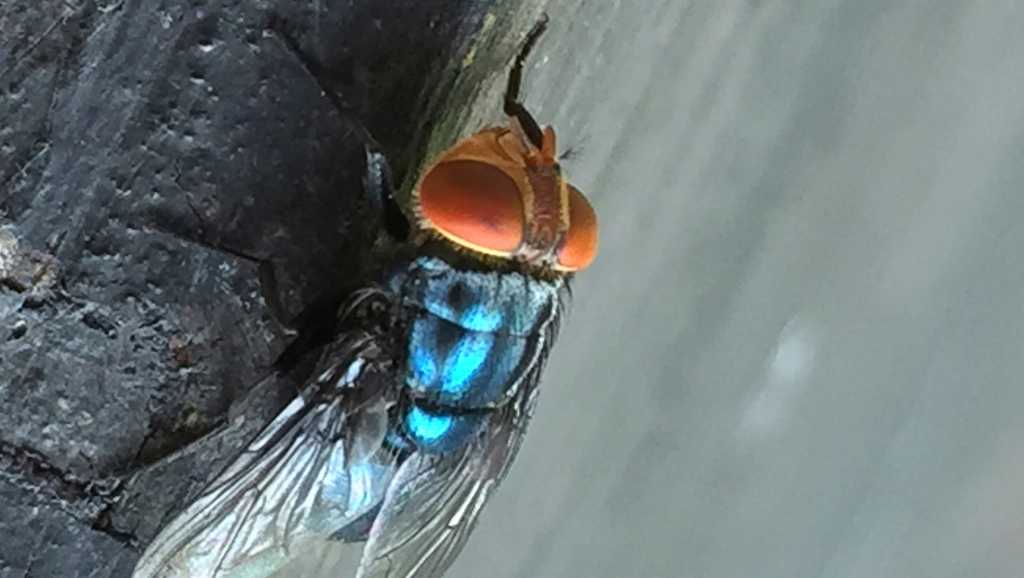
The screwworm is actually a fly, which produces a larva that eats live flesh instead of dead material. Females lay their eggs in open wounds of any warm-blooded animal such as cattle, but wildlife, pets and occasionally even humans can be infested.
The USDA said the new cases were found in a calf and a dog, hundreds of miles apart in La Salle and Andrews counties. That brings the total number of confirmed cases to four. The screwworm was first discovered in a 3-week-old calf last week, and a second case was found only miles away in a young calf.
“While we address these instances that require immediate attention, and continue to sample suspected cases, we are simultaneously working to eradicate the pest entirely,” Dudley Hoskins, the USDA’s marketing and regulatory undersecretary, said in a statement.
Before it was eliminated in the U.S. in the 1960s, the fly was an annual warm-weather scourge of cattle ranchers.
The USDA and the U.S. cattle industry have been racing to prevent an infestation since the pest was detected in Mexico late in 2024 after decades of being contained at the southern end of Panama.
The government fights the fly by breeding sterile male flies, which then mate with wild females that only mate once in their monthslong life. By mating with sterile flies, the females don’t produce more flies and outbreaks can eventually be halted.
The USDA has announced plans to increase sterile fly production in plants outside the U.S. while it builds a fly factory in Texas.
USDA Secretary Brooke Rollins will be briefed on the infestation Monday afternoon at the U.S. Livestock Insects Research Laboratory in Kerrville, Texas.