
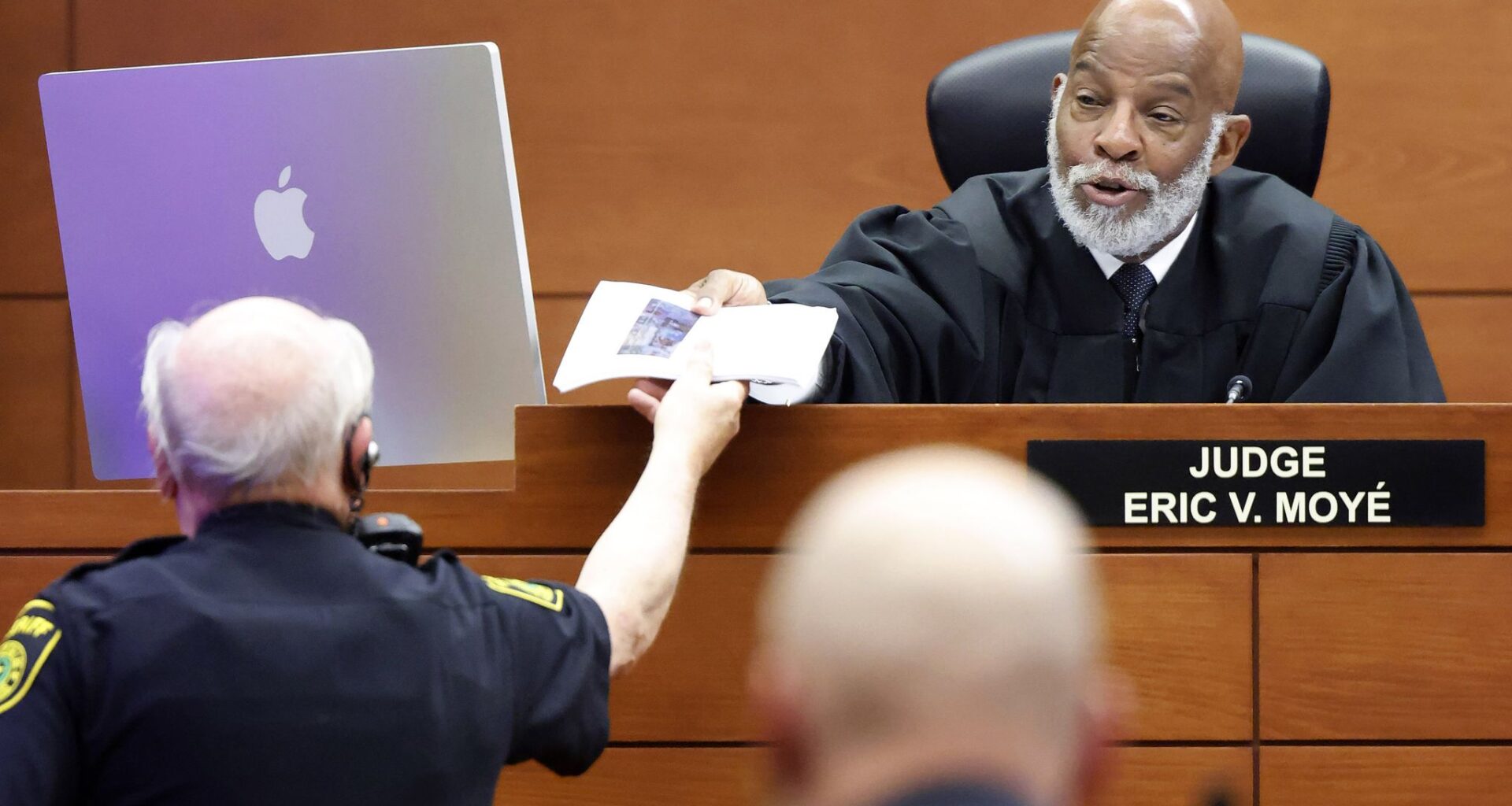
District Judge Eric Moyé made the right call this week when he agreed with Dallas City Council members who sued to halt a vote about the future of City Hall.
The stay-or-leave City Hall question has been the center of ugly debate for months, and on Wednesday, council members had been set to make a decision: commit to repairs or find a new home and redevelop the site.
Anyone interested in the question could have looked at the meeting’s agenda to get a rough idea of what council members would vote on, but it wouldn’t have told them what might actually happen next or what it could cost. Those details matter.
The first two items on the agenda would have authorized “advance work” to relocate city staff and functions. What kind of work might that entail? Your guess is as good as ours. Plus, both items had provisions for appropriating funds but left the amounts blank.
Moyé wisely ruled that these agenda items were too vague based on the requirements of the state’s Open Meetings Act and blocked them from moving forward Wednesday as originally scheduled.
The fourth item on the agenda was even worse — about as well-defined as a slug. It would have allowed the city manager to “pursue opportunities” for City Hall’s redevelopment. Moyé blocked this one, too.
“‘Pursuing opportunities for the redevelopment of 1500 Marilla’ is literally open-ended,” he said. “There’s virtually nothing that the city could not do in this context, including sale of the property to anyone for any price.”
The third item on the list would have greenlit a phased repair strategy for the building. Council members were previously briefed on cost estimates in excess of $500 million if repairs were phased over six to 10 years. Moyé allowed this item to go forward.
Whatever path Dallas chooses, its financial situation remains an open question. On Wednesday, council members were briefed about possibly issuing bond debt to handle pension obligations. That’s a really big deal, but the only item on the agenda that alluded to it was “debt analysis,” which is not specific enough.
Residents would have known this was under consideration only if they had checked the accompanying, 59-slide presentation, which was posted well after the agenda.
From the beginning, Dallas owed its residents an honest conversation about City Hall’s condition, the value of the land it sits on and what role that land might play in a redevelopment of the area around City Hall. This editorial page saw the idea of a Dallas Mavericks arena at the site as an appealing prospect, but that opportunity has come and gone.
Instead, residents have been treated to a clumsy game of charades culminating with council members suing their own city over questions of transparency. Think how that must look from the outside looking in.
Have thoughts about this? Send a letter to the editor using our letters form or email letters@dallasnews.com. Letters should be no more than 200 words and include the first and last name of the writer and city of residence.