
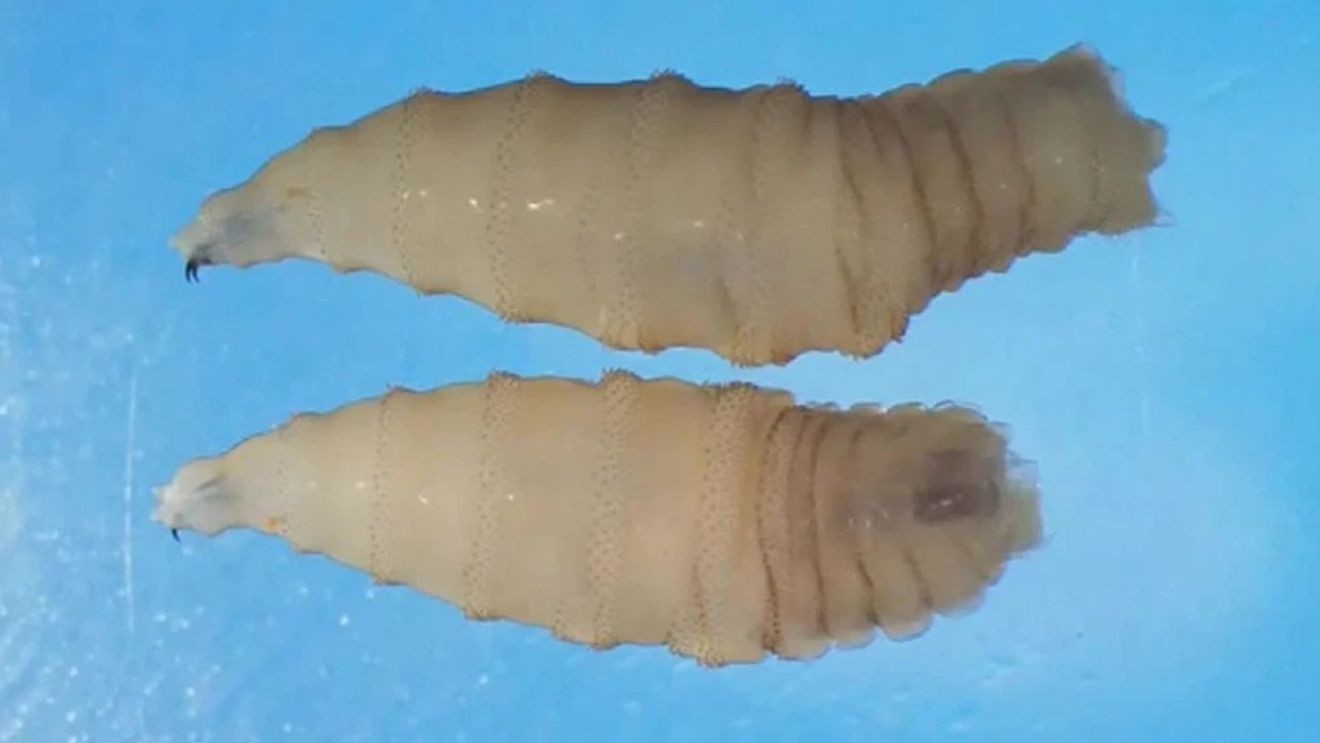
AUSTIN, Texas — The nominees to replace Texas Agriculture Commissioner Sid Miller are weighing in on the state and federal response to the detection of New World screwworm in Texas.
This November, voters are set to decide between Republican Nate Sheets, a veteran and entrepreneur, and Democrat Clayton Tucker, a rancher and researcher. Both shared their views on what they believe is working well and what they would do differently as a commissioner.
As of Thursday evening, the U.S. Department of Agriculture has identified seven animal cases of New World screwworm in the U.S. Six of those cases have been identified in Texas.
Sheets, who appeared with U.S. Secretary of Agriculture Brooke Rollins earlier this week, applauded the USDA’s response to screwworm.
“Today we have over 100 million flies that are being sterilized each week, and they’re strategically deploying them,” Sheets said. “So I am very encouraged by the progress that’s being made.”
Tucker is critical of the federal response, arguing agencies are not using every tool at their disposal to stop the spread of screwworm. He, along with current Commissioner Sid Miller, believes a pesticide method, known as the Screwworm Adult Suppression System, or SWASS, should be deployed.
RELATED| Texas confirms five new world screwworm cases, sets infested zones to contain spread
The USDA, however, has stated that this method is potentially carcinogenic and could adversely impact the sterile fly population already released to combat the screwworm spread.
“If they were so concerned about environmental harms, they wouldn’t be pushing millions of dollars for data centers, which will harm the environment way more than SWASS ever could,” Tucker said.
Sheets disagrees with the use of SWASS, explaining that the chemical use could be detrimental to the honeybee population.
“What we don’t need is going out and doing massive uncontrolled spraying that impacts all insects–pollinators–negatively,” he said.
The New World screwworm’s arrival has also drawn questions about responsibility on the part of both the Biden and Trump administrations as the pest spread through Mexico and now into the United States.
During a Congressional hearing on Wednesday, Secretary Rollins suggested that part of the blame rests on the former administration’s border policy.
“The Biden administration’s open border policies, combined with the Mexican cartels’ refusal to crack down on that through South and Central America, allowed the screwworm to move north for the first time in 50 years,” Rollins said, adding that the disease entered Mexico in 2024.
Sheets agreed with Rollins’ assessment, adding that the former policies created “chaos” in the agriculture industry.
Tucker, however, argued that the Department of Government Efficiency, a Trump-era program formerly led by Elon Musk, led to cuts to federal programs that could have assisted in the prevention of the screwworm’s arrival in the United States.
“With the DOGE funding cuts as of last year, that cut a lot of funding into screw worms. And there’s some other issues that have been going on for a while, but it’s just really hampered our ability to early detect and early fight back,” Tucker said.
AgriPulse, an agriculture industry publication, reported in 2025 that screwworm monitoring was among programs cut when the Trump administration slashed funding to the U.S. Agency for International Development (USAID).
Currently, the USDA is using a population of sterile flies to control the screwworm population. It is building a facility in South Texas to produce millions of flies and is expected to be operational in late 2027.