
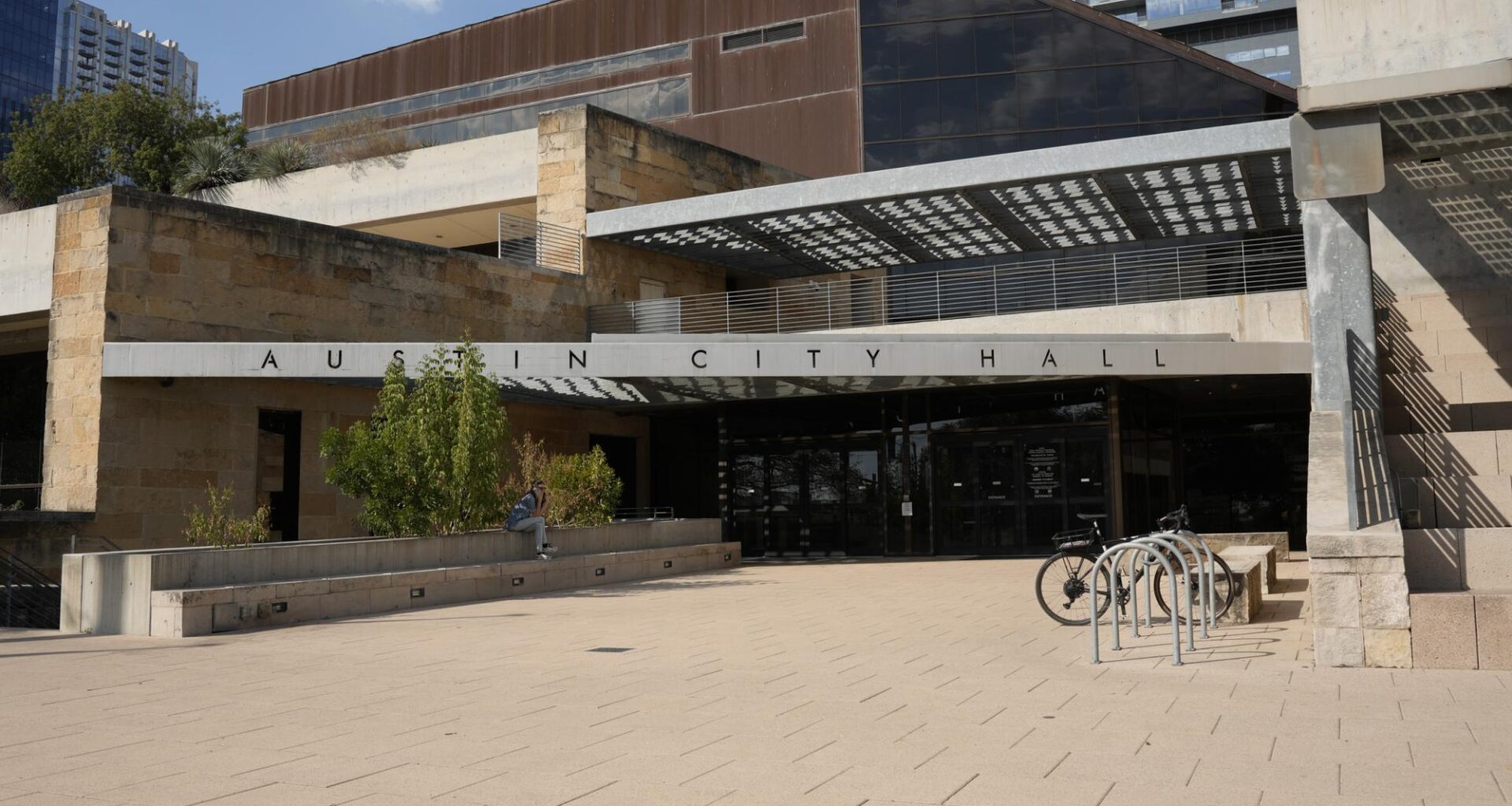
The proposed city of Austin budget for 2027 includes a $16.8 million reduction of social services contracts. The city manager will present the draft budget on July 16, and the final budget will be adopted in August.
Some social service contracts in the city include services for homeless individuals, mental health services and food bank contracts. This could leave many communities with less funding and support, said Ryan Alter, District 5 council member.
“These are contracts that keep people alive, keep people fed, keep people housed,” Alter said. “It’s a lot of really basic needs of the community, and they really are an essential part of our social safety net.”
Potential cuts have been proposed by the city manager across the budget. Alter said he has asked city staff to come up with $20 million that could be cut in other areas to preserve some of the social services contracts.
“That’s where it gets so difficult, because one person’s excess is another person’s essential service,” Alter said. “There are no easy, clear answers to any of this, other than all these programs have a direct impact on people’s lives and their ability to live here in the city.”
Other council members have voiced similar concerns. Council member Zo Qadri, who represents UT and West Campus, said in a statement that the significant possible reduction deserves thoughtful discussion.
“I want to be careful not to speculate about impacts before Council has received a proposed budget,” Qadri said. “The $16.8 million figure appears in the City’s Five-Year Financial Forecast as part of a broader discussion about balancing future budgets, but Council has not yet been asked to approve any specific reductions.”
One Voice Central Texas, an association that represents nonprofit organizations in the city that may be at risk of losing contracts, sent a letter to the mayor, mayor pro tem and City Council. In the letter, the association asked for the cuts to be a last resort and that social services contracts be a priority.
“In the absence of any proactive mitigation or continuity planning, our members fear diminished service capacity, longer wait times, and a sharp, predictable increase in homelessness, food insecurity, unemployment, mental health crises and corresponding strain on the City’s emergency and crisis-response systems,” Rosamaria Murillo, executive chair of One Voice Central Texas, wrote in the letter.
Public feedback can influence budget choices and help the City Council understand the impact of decisions, Qadri wrote.
“I encourage residents, nonprofit providers, and anyone who relies on these services to stay engaged throughout the budget process and make their voices heard,” Qadri wrote.