
The Brief
New intake guidelines are in place for Austin Wildlife Rescue following New World screwworm cases
Austin Wildlife Rescue cannot accept warm-blooded wildlife, mammals and birds, from areas that are deemed to be an “infestation zone” within some Texas counties
A full breakdown map of New World screwworm cases can be found below
AUSTIN, Texas – Austin Wildlife Rescue has issued some new intake guidelines following the recent cases of New World screwworm in Texas.
As of June 11, there are six cases in Texas.
What they’re saying
Austin Wildlife Rescue said due to the quarantine orders issued by the Texas Animal Health Commission, they cannot accept warm-blooded wildlife, mammals and birds, from areas that are deemed to be an “infestation zone” within some counties.
They said that it is not the entire county where movement of animals is not permitted. It is specific to the infestation zone within those Texas counties.
For a full breakdown map of New World screwworm cases, click here.
New World Screwworm in Texas
The latest
Since June 3, six cases of New World screwworm have been reported to the USDA. The cases have been found in Zavala, La Salle, Gillespie and Edwards counties. The pest has been found in cattle and goats.
Quarantine in place
There is currently a quarantine in place due to an established New World Screwworm Infested Zone in parts of the following Texas counties: Edwards, Gillespie, Kerr, Kimble, La Salle, Sutton, Uvalde, Val Verde, Webb, Zavala.
According to the Executive Director Orders issued, all warm-blooded animals in a zone may not move out of the zone without prior authorization from the Texas Animal Health Commission (TAHC).
What is New World Screwworm?
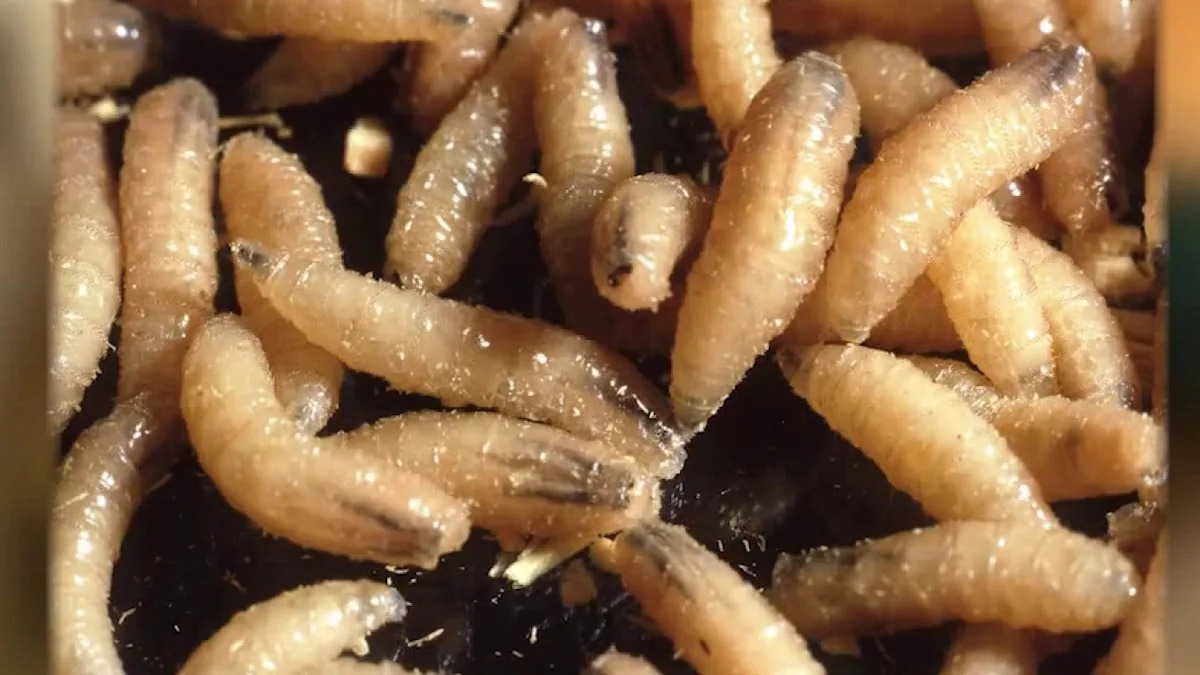
The New World screwworm is a parasitic fly whose larvae feed on the living tissue of warm-blooded animals, posing a significant threat to livestock, wildlife and, in rare cases, humans.
Officials advised livestock owners and veterinarians to remain vigilant and report suspected infestations to the appropriate authorities. The Texas Animal Health Commission is handling livestock-related cases, while the Texas Department of State Health Services oversees human infestation reports.
The Source
Information from Austin Wildlife Rescue and previous FOX 7 Austin coverage