
After high school, students don’t always see a clear path forward. Too often they make decisions without a clear understanding of the options they have. At Plano ISD, with a history of academic excellence that has led to post-secondary success for students, we are working to strengthen and expand their career pathways.
School districts must recognize the ever-changing landscape of the future-readiness needs for all students. Recent policy shifts, including House Bill 8, are helping accelerate efforts to better align high school, higher education and workforce pathways.
HB 8, passed in 2023, restructured community college funding to prioritize student outcomes, including credential completion, degree attainment and workforce-aligned success. Districts like Plano ISD are navigating how these policy changes transform practice, especially for high school students currently making post-secondary decisions. That shift is encouraging stronger alignment between K-12 systems, higher education institutions and regional workforce needs. It is beginning to reshape how dual credit and early college pathways are designed and supported.
This has created new opportunities to expand access to college coursework in high school. Students are able to engage in dual credit in ways that are more intentionally aligned to long-term pathways and in areas of student interest. We’re seeing students recognize their potential in real time as they successfully tackle college-level work. Confidence builds when they realize, “I can do this.” Dual enrollment opportunities not only provide acceleration for students’ futures but also enhance their belief in what’s possible. We’ve seen an increase of 8% in dual credit hours earned in the first year following the change in legislation.
These opportunities are particularly important for students who are ready for advanced coursework but might not believe in their own talent. Providing the support and encouragement at the high school level through dual credit opens doors for a broad range of learners. In Plano ISD, students benefit from wraparound supports, including family engagement and academic monitoring as they experience this rigorous coursework. Our educators are deeply engaged in ensuring students stay on track, maintain attendance and persist through challenging tasks. This provides an opportunity for students to experience structure and, over time, they begin to take more ownership of their learning.
The success of this work depends on strong partnerships. Implementation requires collaboration between state education leaders, K-12 systems and higher education institutions, including community college and university leaders who are increasingly engaged in building aligned pathways. These partnerships are critical to open doors for students.
Partners such as Toyota, Texas Instruments, Credit Union of Texas, Capital One, H-E-B, Collin College and East Texas A&M University, among others, are engaged in these efforts to strengthen pipelines into high-demand fields and ensure students are prepared for future opportunities.
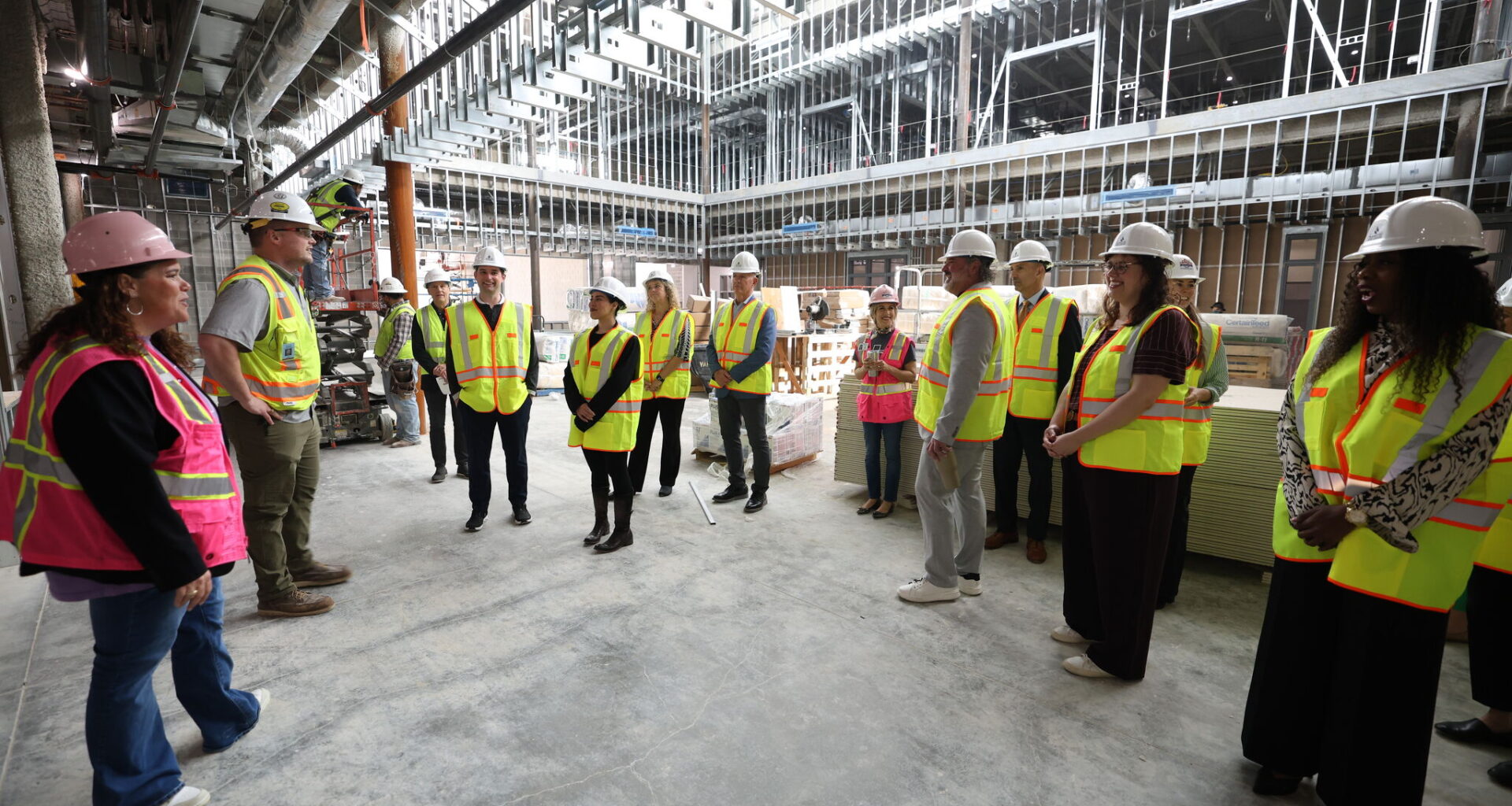
A brand-new Career and Technical Education Center will open in Plano ISD this fall. Through the planning and design of this facility, community members, businesses and collegiate partners have provided valuable insight into our local workforce needs and interests to ensure we are providing pathways to high-wage, high-demand futures for our students.
While dual credit has been offered for many years, including a health sciences academy that allowed students to earn up to 60 college credit hours and industry certifications, in fall 2024 we welcomed our first cohort of 130 9th-grade students into a structured early college pathway that will allow them to earn up to 62 college credit hours by the time they graduate from high school. This opportunity allows students to enter their post-high school futures in the driver’s seat for post-secondary success.
It’s a meaningful expansion of what structured access can look like in practice. And while it’s an important milestone, we’re still in the early stages. We have additional, thoughtfully designed dual enrollment programs in the works, including the launch of an Electrical Engineering Academy this fall.
We are certainly grateful for state legislation that supports dual credit offerings like HB 8 and most recently, Senate Bill 1191, which creates a standardized GPA formula that ensures equal weight for dual credit commensurate with Advanced Placement and International Baccalaureate. Both pieces of legislation support rigorous future pathways for students, and this is the type of legislation that helps school districts expand opportunities to better meet the needs and interests for all learners.
Strong partnerships, well-designed CTE and dual credit programs give students the opportunity to graduate with both college and career readiness, entering the next phase of life with confidence, skills and direction. They round out other academically rigorous offerings that have served as the traditional route to success. And for us, that’s really the point: more options and opportunities for students, and a stronger workforce pipeline for the current and future needs of the communities we serve.
Theresa Williams is superintendent of Plano Independent School District.
Have thoughts about this? Send a letter to the editor using our letters form or email letters@dallasnews.com. Letters should be no more than 200 words and include the first and last name of the writer and city of residence.