
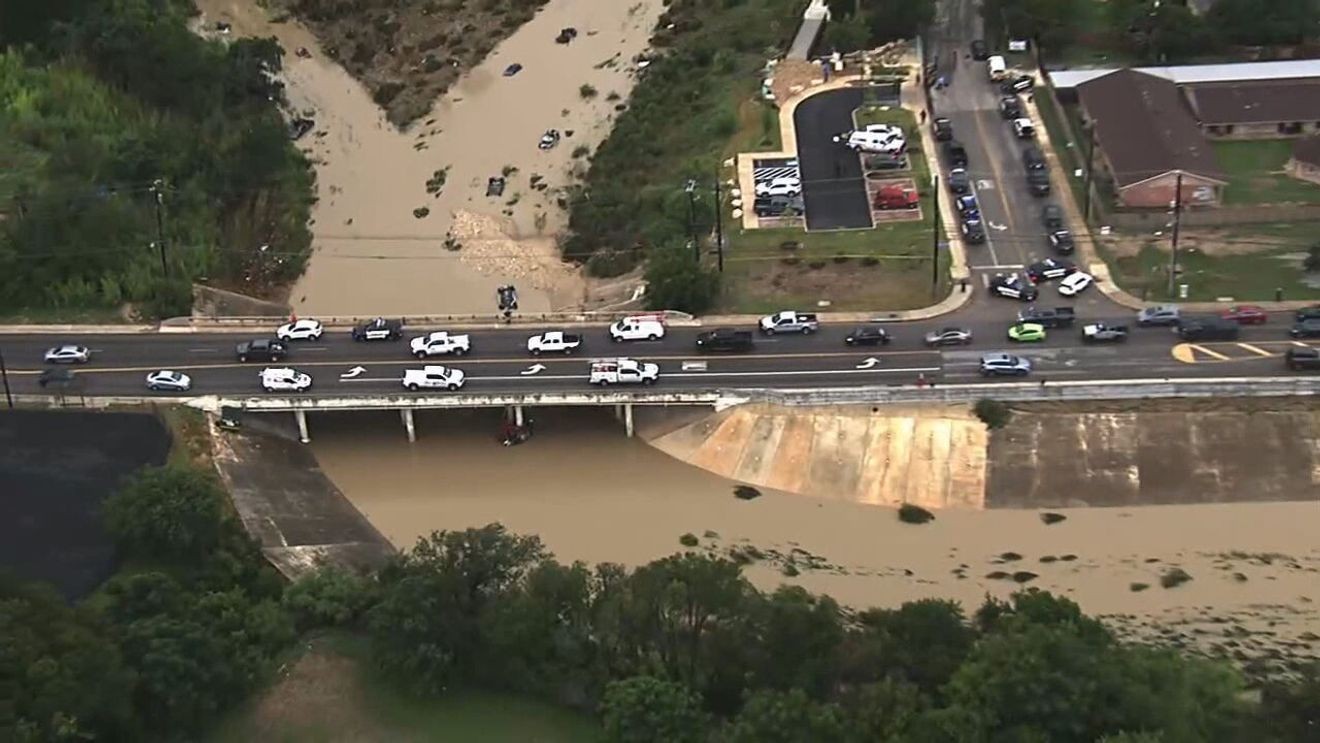
SAN ANTONIO — One year after catastrophic flooding killed 13 people across San Antonio and Bexar County, millions of dollars are now moving toward flood prevention efforts meant to keep another tragedy from happening.
The June 12, 2025 flood became one of the deadliest weather events in recent San Antonio history. Eleven people were swept away near the Loop 410 and Perrin Beitel area, where fast-moving water rushed into the Beitel Creek channel and carried vehicles off the road.
The people killed in the flooding were:
Derwin Anderson, 43, near Callaghan Road and Highway 90Roseann Cobb, 41, near Wurzbach ParkwayCarlos Valdez III, 67, near Loop 410 and Perrin BeitelMartha De La Torre Rangel, 55, near Loop 410 and Perrin BeitelVictor Manuel Macias Castro, 28, near Loop 410 and Perrin BeitelMatthew Angel Tufono, 51, near Loop 410 and Perrin BeitelCristine Gonzalez, 29, near Loop 410 and Perrin BeitelRudy Garza, 61, near Loop 410 and Perrin BeitelJosue Pinadelatorre, 28, near Loop 410 and Perrin BeitelAndrew Sanchez, 60, near Loop 410 and Perrin BeitelBrett Riley, 63, near Loop 410 and Perrin BeitelStevie Richards, 42, near Loop 410 and Perrin BeitelEsther Chung, 77, near Loop 410 and Perrin Beitel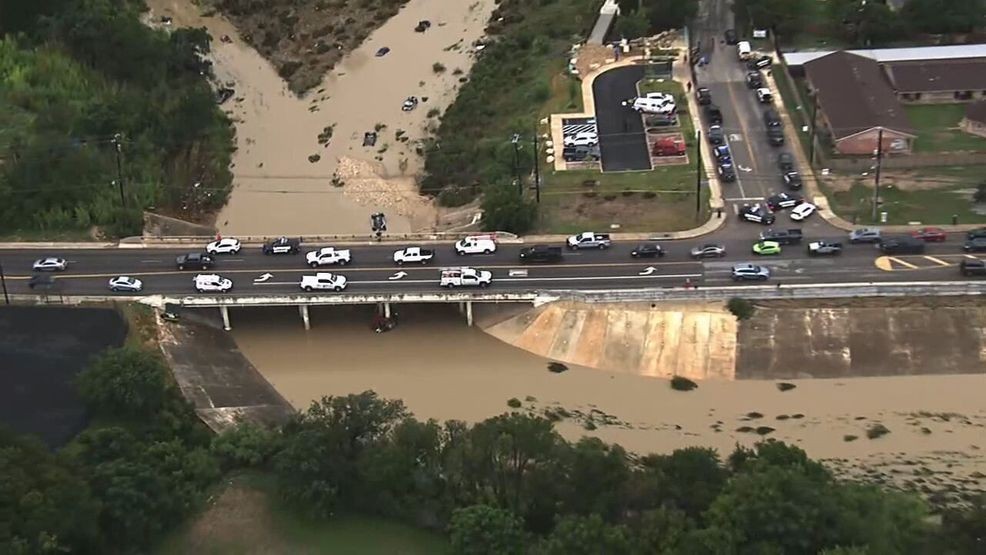
Millions committed to flood warnings, prevention a year after 13 people were killed
In the year since, News 4 and Fox San Antonio have followed the push for answers and improvements, including new flood warning technology, temporary repairs at Beitel Creek and longer-term infrastructure fixes that are still in the works.
Bexar County has allocated $21 million for a NextGen flood warning system. The system includes upgraded flood gauges, sensors and crossing arms designed to detect dangerous water levels and warn drivers sooner.
San Antonio River Authority leaders have said the new system is expected to sharply reduce the time it takes to get flood information to emergency partners and the public. Right now, officials said some information can take 30 to 45 minutes to process and share. With the upgraded system, that time could drop to about five minutes.
“We are about to start the upgrading process this summer, so you’re going to see either better gauges or, in some places, gauges where there haven’t been those before,” Derek Boese, general manager and CEO of the San Antonio River Authority, told News 4.
Boese said the full project is expected to be completed next summer.
County leaders have said the goal is not just faster information, but fewer deaths.
“Our goal is zero lives lost,” Bexar County Commissioner Rebeca Clay-Flores said at a May press conference.
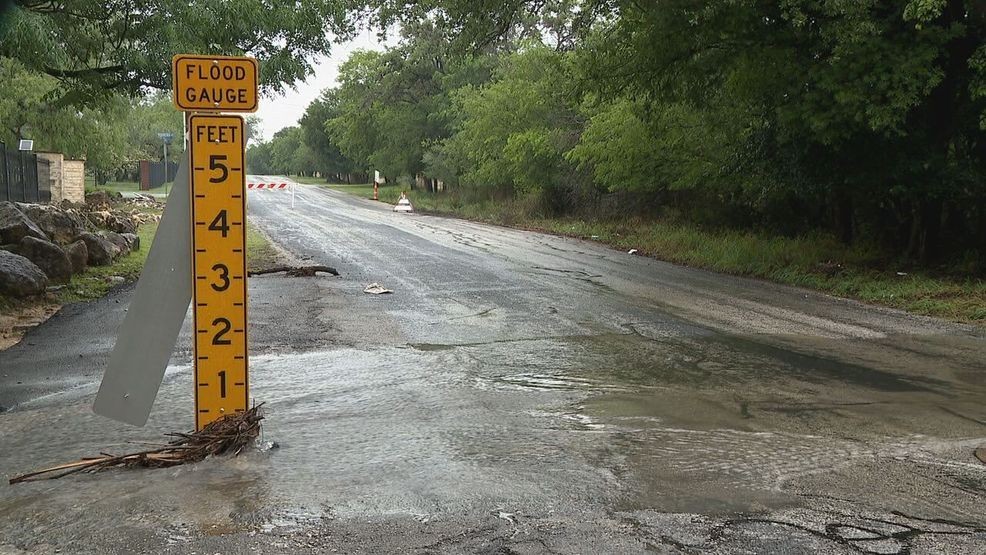 A network of flood sensors is designed to warn drivers before they attempt to cross dangerous, water-covered roads. But the News 4 I-Team found{ }several of those sensors across Bexar County{ }are offline, and some haven’t been active for years.
Bexar County is also seeking additional state funding for flood warning sirens. These would go in places people stay overnight, like campgrounds, because of how the state law calls for funds to be prioritized.
County leaders have said sirens are only one part of the solution, and that sensors, gauges and real-time alerts will all need to work together to warn people before water becomes deadly.
May 19 was also declared Flood Awareness Day in Bexar County, reinforcing the message that drivers should never attempt to cross flooded roads.
At Beitel Creek, the City of San Antonio has allocated $8 million in its fiscal year 2026 budget to repair the drainage channel. The permanent project is still in the design phase, with construction expected to begin in early 2027.
In the meantime, crews are working on temporary repairs between Vicar Drive and Loop 410.
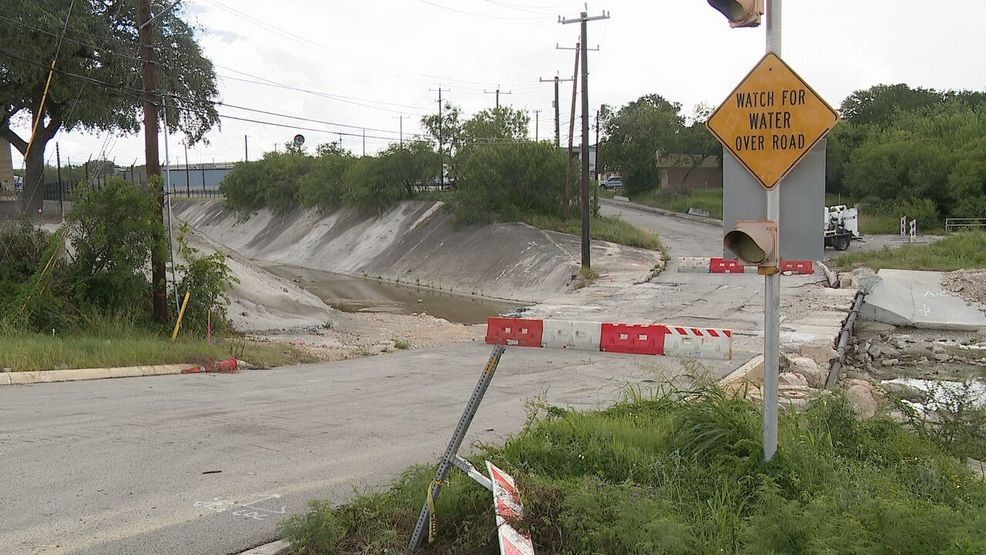
Temporary repairs underway in the drainage channel near Loop 410 and Perrin Beitel (SBG San Antonio)
Public Works officials said those repairs include sealing damaged or missing concrete wall panels to help control erosion and prevent further deterioration while permanent fixes are developed.
The city has also said the Vicar Drive low-water crossing will not reopen. Permanent removal will happen during the long-term repairs.
TxDOT has made some changes along the Loop 410 frontage road near Beitel Creek, including new signage and the installation of a flood gauge to better monitor rising water.
Additional upgrades are also planned, including concrete barriers designed to help contain vehicles during high-water events while still allowing water to drain. TxDOT has also said it is working with partner agencies on flashing beacons, alert systems and better sharing of real-time flood data.
The work comes after independent reviews pointed to several factors that contributed to the Beitel Creek disaster, including historic rainfall, overgrown vegetation and an underestimation of how much water the channel could hold during a major storm.
City leaders have acknowledged that broader flood control projects across San Antonio will take more funding. Some of those projects could be included in a 2027 bond, which could go before voters next May.
Councilman Marc Whyte said the city cannot wait to address aging drainage systems.
“We have an aging infrastructure in San Antonio… and it’s not acceptable, and that’s where we need to put our money,” Whyte said.
Even after the June 2025 tragedy, flooding has continued to claim lives in San Antonio. Two people were found dead near Salado Creek after heavy rainfall over Labor Day weekend in 2025, and in April 2026, a man drowned after being caught in floodwaters along Salado Creek near J Street Park.
For families who lost loved ones last June, the improvements are about more than infrastructure. They are about making sure the 13 people who died are remembered through action.
Bexar County Judge Peter Sakai has called the flood a moment local leaders must learn from.
For now, leaders say the mission is clear: improve the warning systems, repair vulnerable infrastructure and prevent the next storm from becoming another deadly disaster.