
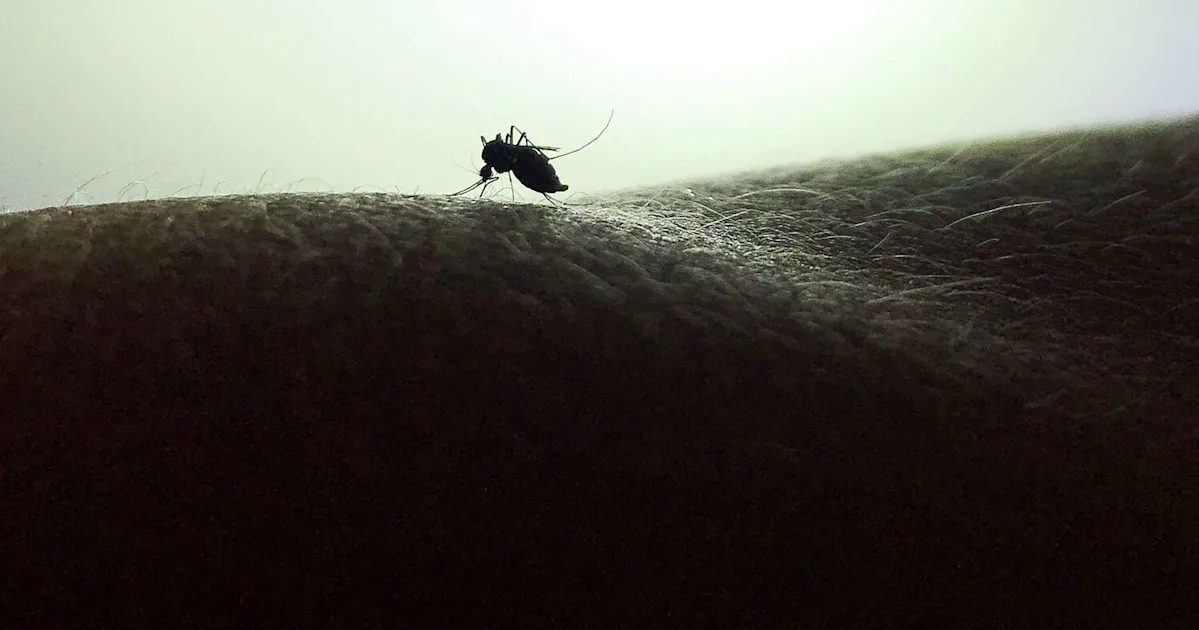
Austin’s recent rain may be good for lawns, trees and drought-stressed plants, but it has also created a less welcome summer problem: mosquitoes.
Austin Public Health says mosquito season is already underway in Austin and Travis County after recent rainfall, and the combination of standing water, humidity and warmer weather can give mosquitoes the conditions they need to multiply. The agency began its 2026 mosquito surveillance May 4 and says it has not found mosquito pools positive for viruses so far this season.
Still, the bites are here.
Why are there so many mosquitoes in Austin?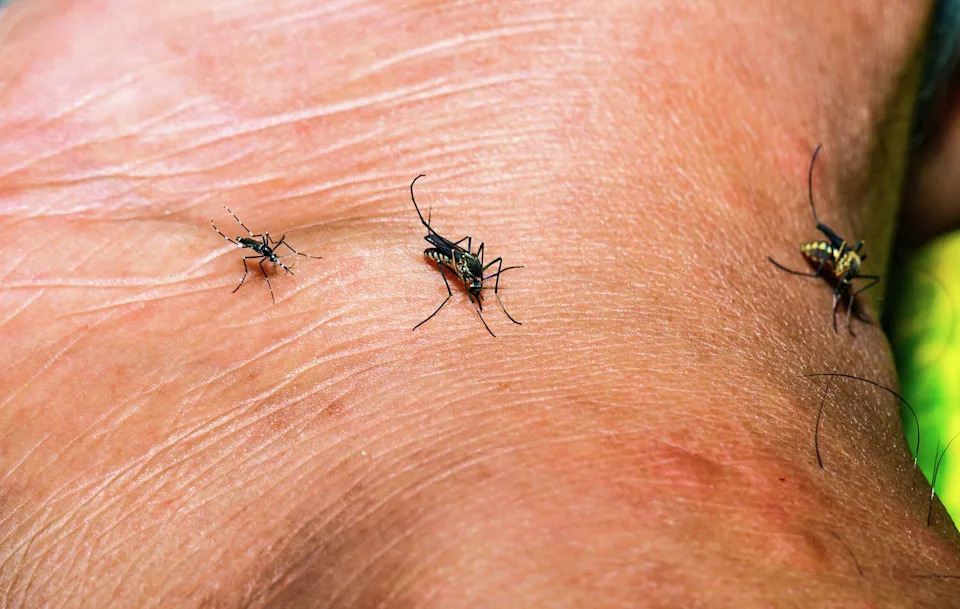
Female Aedes mosquitoes, including the Asian tiger mosquito (Aedes albopictus) and the yellow fever mosquito (Aedes aegypti), are observed feeding on human blood in Tehatta, West Bengal, India, on May 01, 2026. These mosquitoes are known to transmit diseases such as dengue, chikungunya, Zika, yellow fever, and West Nile virus. Rising temperatures are contributing to their survival. (Photo by Soumyabrata Roy/NurPhoto via Getty Images) (NurPhoto/NurPhoto via Getty Images)
At Camp Mabry, the National Weather Service recorded 4.54 inches of rain in May, including 11 days with measurable precipitation. The month also brought nine thunderstorm days and an average relative humidity of 73%.
That rain does not have to leave behind a pond or flooded yard to create a problem. Health officials say mosquitoes can breed in small amounts of standing water, including places like clogged gutters, pet bowls, rain barrels and birdbaths.
In Austin, that can mean mosquitoes building up in the places residents pass every day – apartment breezeways, shaded dog-walking routes, patios and parking lots.
In one Reddit post Wednesday, a resident wrote that they were being “eaten alive” while walking their dogs several times a day. The person said they had tried wearing long pants and a jacket, but mosquitoes began biting their face and hands instead.
Is there West Nile virus in Austin?
In Central Texas, mosquitoes can carry illnesses including West Nile virus, Zika, dengue, encephalitis and canine heartworm, according to Austin Public Health. While no mosquitoes have tested positive this year, 41 mosquito pools tested positive for West Nile virus in Austin-Travis County last year, and preliminary state data showed five local West Nile cases, according to APH.
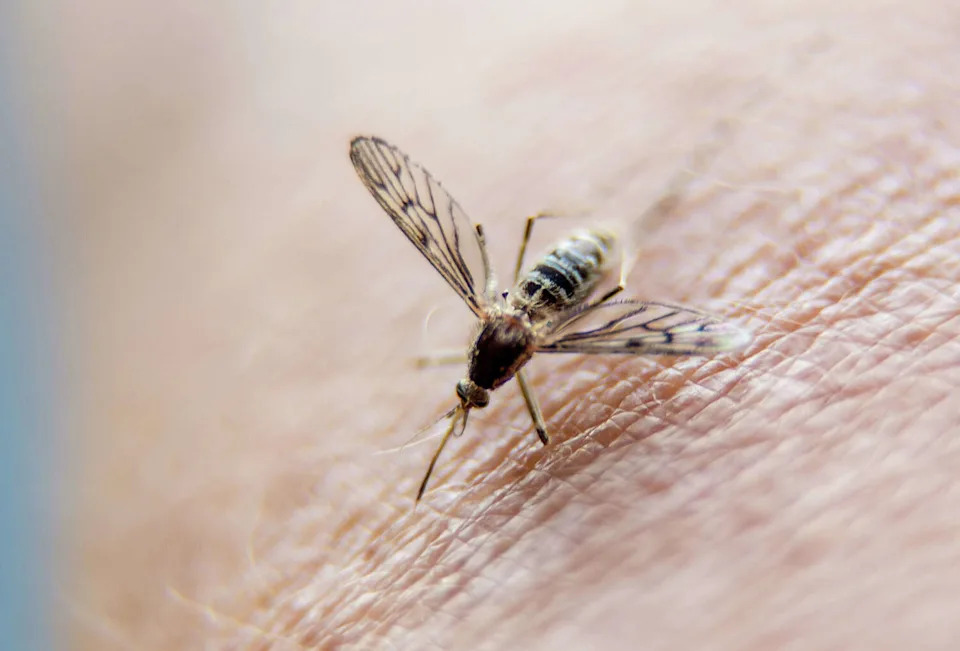
Unseasonable weather patterns are to blame for a surge in mosquitoes in Southern California. (PHILIPPE HUGUEN/AFP/TNS)
State health officials have already confirmed Texas’ first West Nile illness case of 2026 in a Harris County resident. The Texas Department of State Health Services said in May that the resident had West Nile neuroinvasive disease, the most serious form of the illness.
Most people infected with West Nile virus do not get sick, according to health officials. Some develop fever, headache, body aches or other flu-like symptoms. In rare cases, the virus can cause severe neurological illness.
What are the Four Ds? How to stop mosquitoes
Austin Public Health gives steps to prevent mosquitoes from breeding and biting, referred to as the “Four Ds”:
Dress to reduce exposed skin
DEET: Defend yourself with EPA-approved repellent
Dusk and dawn: Avoid peak mosquito hours when possible
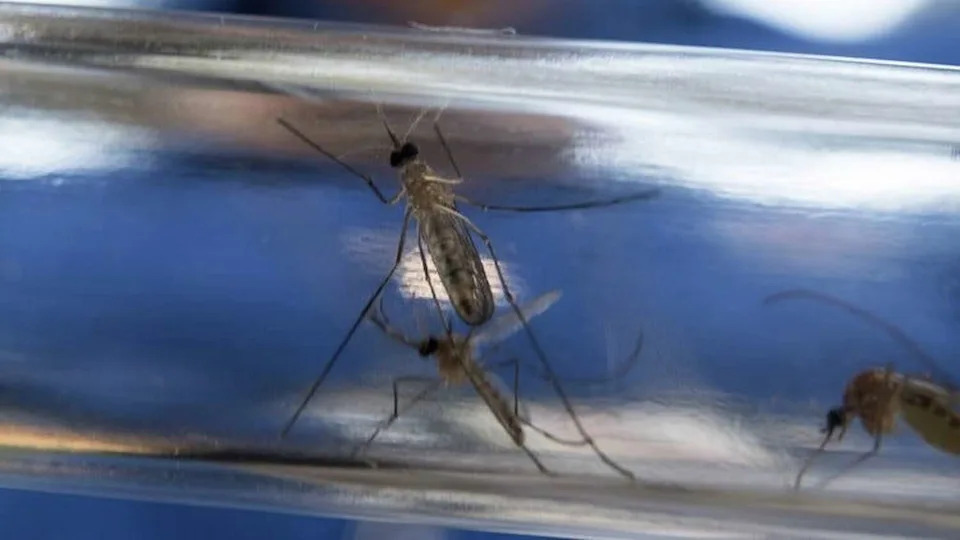
If you don’t want these in your yard, take steps to prevent them. RODOLFO GONZALEZ / AUSTIN AMERICAN-STATESMAN 2016 (American-Statesman Staff)
The most important step for residents is removing water before mosquitoes hatch. APH recommends draining standing water at least once a week and checking spots around your home where water might gather.
For water that cannot be dumped, such as rain barrels or permanent water features, APH recommends mosquito dunks, which use a biological larvicide to target mosquitoes before they become adults.
Repellent is also part of the prevention plan. APH says EPA-registered repellents are considered safe and effective when used as directed and may include DEET, picaridin, IR3535, oil of lemon eucalyptus, para-menthane-diol or 2-undecanone.
Austin Public Health asks residents to report standing water, drainage problems or mosquito concerns through Austin 3-1-1. The agency monitors mosquito populations during the season, tests for mosquito-borne diseases and posts updates when positive pools are found.
This article originally published at Why Austin has so many mosquitoes right now – and how to keep them away.