
AP Photo/Charles Dharapak, File
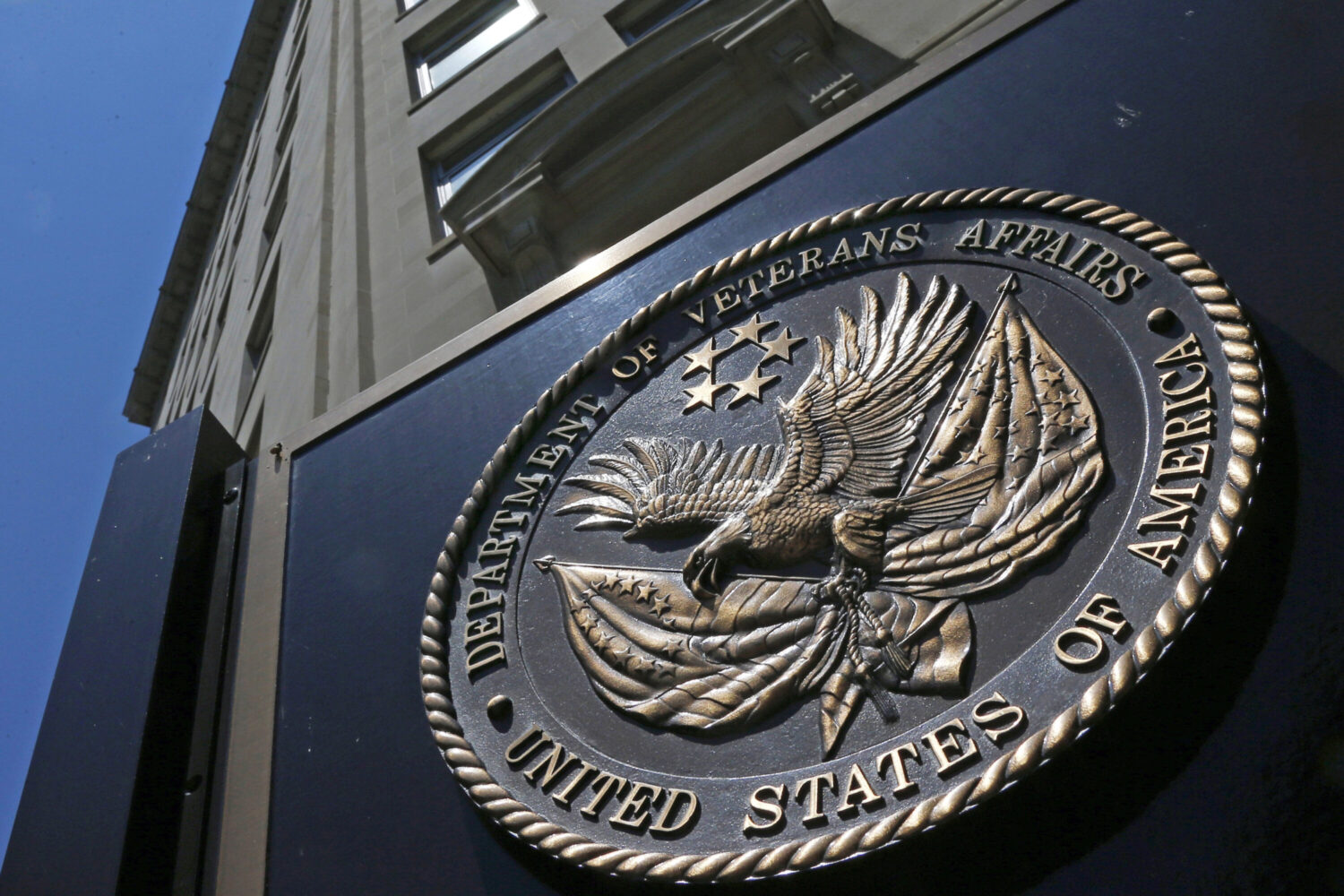
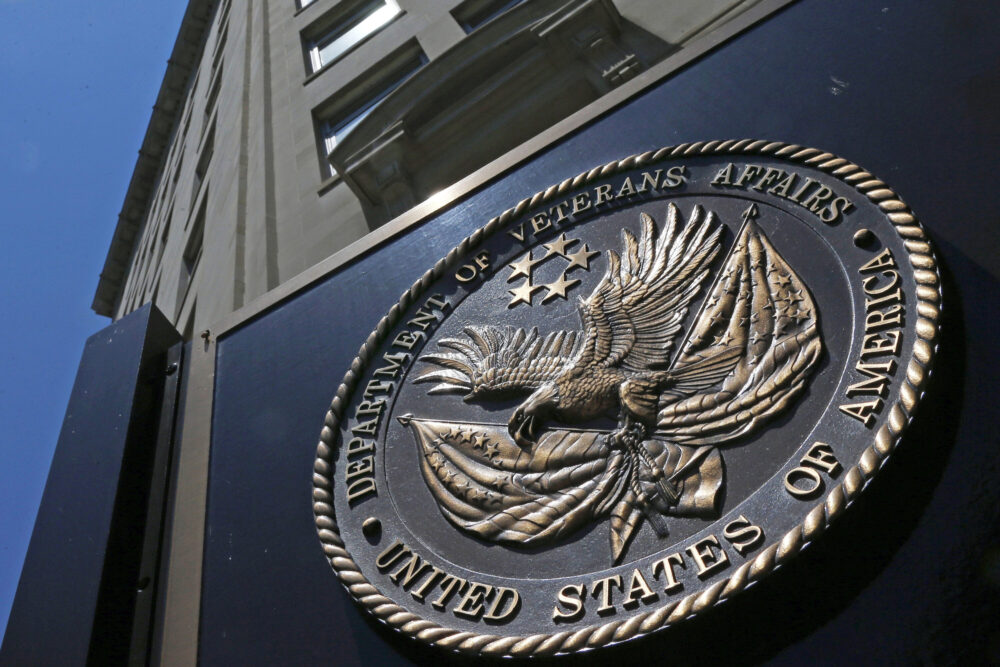
FILE – This June 21, 2013, file photo, shows the seal affixed to the front of the Department of Veterans Affairs building in Washington.
Greater Houston has the second-largest population of military veterans of any U.S. metro area, after Los Angeles. With the federal government shutdown now in its second month, many of those veterans are struggling to get the health care to which their service entitles them.
Check out the U.S. Department of Veterans Affairs website, and you’ll find a contingency planning page that says VA medical centers and outpatient clinics are not affected by the shutdown. But that’s not what Marylyn Harris, a Gulf War veteran and a Houston-based veterans’ advocate, is seeing.
“A lot of people like me are stressed out because we have an illness,” Harris said. “We’ve been going to the VA for a while. They are our health care provider. And sometimes they’re closed, or sometimes you can’t get anyone, or sometimes you can’t get a ride to the emergency room.”
The VA’s contingency planning page estimates 97% of its employees continue to work during the shutdown. Nevertheless, Harris said some of her regular contacts at the VA have been furloughed within the past two weeks.
“Some people, their appointments had to be canceled, because this thing is changing every day,” Harris said. “I’ve never seen anything like this. I’m 30 years in from the time I joined the military. The promises that are on the front of the building in [Washington] D.C. at the VA, they promise to take care of us. They promise to help us with our healthcare conditions. And I just wonder, how is that working out across the country?”
Harris said she has post-traumatic stress disorder and also suffers the effects of having been exposed to more than 30 environmental toxins during her military service in the Middle East in the 1990s. Thus far, the VA has not honored her claim that the latter has damaged her health, she said.
“Somewhere in there, something happened, and so now I have Parkinson’s disease,” Harris said. “I have no one in my family that has had that before, and there it is. And so, that’s the only place I know where I had environmental exposures.”